
If you have ever scanned the skincare aisle wondering is vitamin C serum good for aging skin, you are not alone. The short answer is yes. Vitamin C serum is one of the most researched and effective topical ingredients for fighting visible signs of aging. From softening fine lines to fading age spots, it earns its spot in countless anti-aging routines. This article breaks down exactly how it works, what the science says, and how to get the best results without irritation.
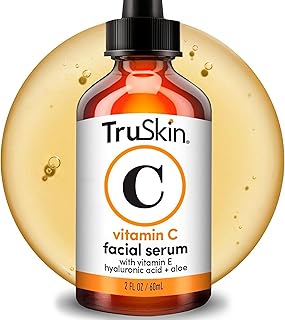
TruSkin Vitamin C Serum for Face
Check PriceHow Vitamin C Serum Fights Skin Aging
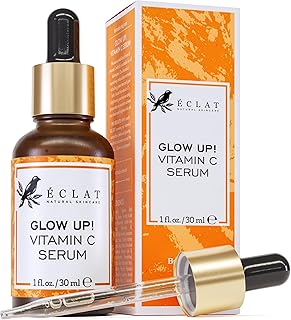
Eclat Skincare Vitamin C Serum
Check PriceAging skin loses firmness, develops uneven tone, and shows deeper wrinkles. Vitamin C targets these concerns through several biological pathways. Understanding these mechanisms helps you see why dermatologists recommend it so often.
It Boosts Collagen Synthesis
Collagen is the protein that keeps skin plump and firm. After age 25, collagen production declines by about 1% each year. Vitamin C is an essential cofactor for the enzymes that build and stabilize collagen molecules. Without enough vitamin C, collagen synthesis slows down dramatically. Applying a well-formulated serum directly to the skin delivers the nutrient where it is needed most, helping to preserve firmness and reduce the appearance of wrinkles.
It Neutralizes Free Radical Damage
Sunlight, pollution, and even normal metabolism create free radicals that break down collagen and elastin. This process is called oxidative stress and is a major driver of photoaging. As a potent antioxidant, vitamin C donates electrons to neutralize these harmful molecules before they damage skin cells. According to the Cleveland Clinic’s research on topical antioxidants, using a vitamin C serum under sunscreen provides extra photoprotection, effectively shielding skin from cumulative UV damage.
It Brightens and Fades Hyperpigmentation
Age spots, sun spots, and blotchy redness are common signs of aging skin. Vitamin C inhibits the enzyme tyrosinase, which is responsible for melanin overproduction. With consistent use, it visibly lightens dark patches and evens out skin tone. Unlike harsh lightening agents, it does not bleach normal skin, making it a safer long-term solution for hyperpigmentation.
It Supports Skin Hydration and Barrier Function
Aging skin often becomes dry and fragile. High-quality vitamin C serums typically pair the active ingredient with hydrating agents like hyaluronic acid or vitamin E. These blends help the skin retain moisture and strengthen the lipid barrier, reducing transepidermal water loss. The result is softer, smoother texture that looks healthier and reflects light better.
What Does the Science Say About Vitamin C
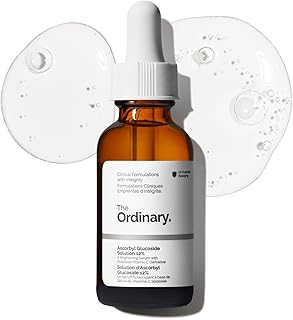
The Ordinary Ascorbyl Glucoside Solution 12%
Check PriceClinical research backs up the excitement. A study published in the Journal of Clinical and Aesthetic Dermatology found that topical L-ascorbic acid at concentrations of 10% to 20% significantly improved the appearance of fine lines, roughness, and skin tone after 12 weeks. Another trial in the International Journal of Dermatology showed that a vitamin C, vitamin E, and ferulic acid combination reduced UV-induced erythema by up to 41%, confirming its protective role.
Stability remains the biggest challenge. Vitamin C degrades when exposed to light, heat, or air. That is why packaging matters as much as the ingredient. Scientists continue to refine delivery systems, such as anhydrous formulas and microencapsulation, to keep the active form potent until it reaches your skin.
How to Choose the Right Vitamin C Serum for Aging Skin
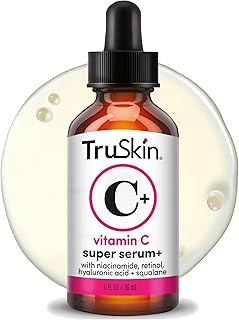
TruSkin Vitamin C Super Serum for Face
Check PriceNot all vitamin C serums are created equal. The anti-aging benefits depend heavily on formulation. Here is what to look for when shopping for a product that will actually deliver results.
Form of Vitamin C
Pure L-ascorbic acid offers the most research support, but it can be unstable and potentially irritating for sensitive skin. Alternatives like sodium ascorbyl phosphate, magnesium ascorbyl phosphate, and ascorbyl glucoside are more stable and still provide brightening and collagen benefits, though they may not be as immediately potent. For mature skin that tends to be reactive, a gentle derivative can be a smarter entry point.
Concentration Range
Look for a concentration between 10% and 20%. Below 5% may not deliver significant anti-aging effects, while above 20% often leads to irritation without extra benefits. Starting with a lower percentage, like 10%, and gradually increasing as tolerance builds is a common dermatologist recommendation.
Packaging and Stability
Oxidation turns a vitamin C serum yellowish or brown and makes it useless. Choose serums packaged in opaque, airtight pump bottles or dark glass with a dropper that limits air exposure. Store the bottle away from direct sunlight and heat. If your serum changes color quickly, discard it.
Supporting Ingredients
The best anti-aging serums combine vitamin C with synergistic actives. Vitamin E stabilizes L-ascorbic acid and boosts antioxidant protection. Ferulic acid further enhances stability and doubles the photoprotective effect. Hyaluronic acid plumps dehydrated aging skin, and peptides can complement collagen stimulation. You can explore our curated list of top vitamin C serums for aging skin to compare tried-and-tested formulas.
How to Use Vitamin C Serum for Maximum Anti-Aging Benefits
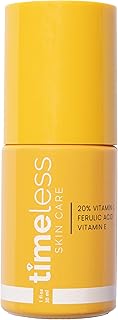
Timeless Skin Care Vitamin C Serum
Check PriceEven the best serum will not work if applied incorrectly. Follow these steps to incorporate vitamin C safely into your daily routine.
Morning vs. Night
Vitamin C works best in the morning. It provides antioxidant defense against daytime environmental aggressors and boosts the efficacy of your sunscreen. Using it at night is also possible, but morning application maximizes its protective qualities.
The Correct Order of Application
- Cleanse your face and gently pat dry.
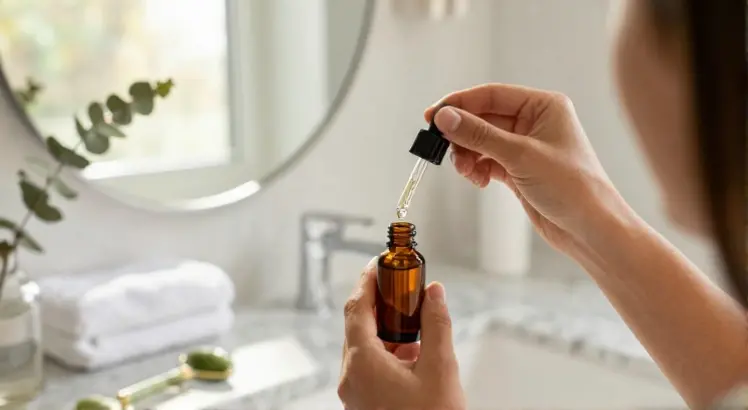
- Apply the vitamin C serum to slightly damp skin for better absorption. Use 3 to 4 drops for the face and neck.
- Wait 1 to 2 minutes before layering moisturizer to prevent pilling.
- Finish with a broad-spectrum sunscreen of at least SPF 30.
For a complete step-by-step guide, read our article on how to use a vitamin C facial serum properly.
How Often to Use It
If you are new to active ingredients, start every other morning. As your skin adjusts, move to daily use. Some people with resilient skin can even apply it twice a day, but morning alone is sufficient for anti-aging benefits.
Pairing with Retinol and Acids
Using vitamin C and retinol together can supercharge collagen production, but applying them at the same time may cause redness and stinging. A safer schedule: vitamin C in the morning and retinol at night. If you also use exfoliating acids like glycolic acid, alternate nights or use them on different days to protect your skin barrier.
Frequently Asked Questions
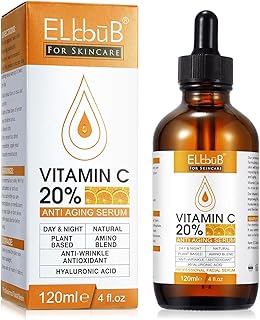
Premium 20% Vitamin C Serum For Face (4 Fl Oz)
Check PriceIs vitamin C serum good for mature skin over 60?
Absolutely. Mature skin benefits just as much, if not more, from the collagen support and antioxidant protection. Choose a formula with soothing ingredients to minimize sensitivity, and be patient. Results take time, but even older skin can regain visible smoothness and luminosity.
Can vitamin C serum cause irritation on aging skin?
Yes, especially pure L-ascorbic acid at high concentrations or when the skin barrier is compromised. Start with a low percentage or a derivative like ascorbyl glucoside. Always perform a patch test behind the ear and introduce the serum gradually. If stinging persists, buffer it by mixing with your moisturizer.
How long does it take to see anti-aging results?
You might notice a brighter complexion after 2 to 4 weeks. Reductions in fine lines and hyperpigmentation typically appear after 8 to 12 weeks of consistent daily use. Deep wrinkles will soften more slowly. Photographs taken monthly help track progress that is hard to see day to day.
Can I use vitamin C with sunscreen instead of moisturizer?
No. Sunscreen is not a replacement for moisturizer. After serum, apply a light moisturizer to lock in hydration, then sunscreen. Some people skip moisturizer if their sunscreen feels emollient enough, but on aging skin, extra hydration helps plump fine lines.
Does vitamin C serum lighten the skin permanently?
It does not bleach skin. It suppresses excess melanin caused by sun damage or inflammation. If you stop using it and continue unprotected sun exposure, dark spots can reappear. Maintenance is key.
The Bottom Line on Vitamin C Serum for Aging Skin
So, is vitamin C serum good for aging skin? The evidence is clear. It remains one of the most effective non-prescription ingredients for addressing wrinkles, loss of firmness, and uneven pigmentation. The key is selecting a stable, well-formulated product and using it correctly every morning. Paired with daily sunscreen, vitamin C can help your skin look brighter, tighter, and healthier at any age. Start with a gentle strength, stay consistent, and let the science work for you.