If you’ve ever caught your reflection and wondered what can clear dark spots on face, you’re in good company. Dark spots, whether from sun damage, old breakouts, or hormonal shifts, are one of the most common skincare complaints. The good news? You don’t have to rely on heavy makeup or expensive in-office procedures to see a difference.
This guide walks you through the science of fading hyperpigmentation, spotlights the most effective ingredients, and helps you build a routine that brings back an even, radiant complexion. You’ll get evidence-based advice, real-world tips, and practical lifestyle tweaks that make stubborn spots start to fade, safely and sustainably.
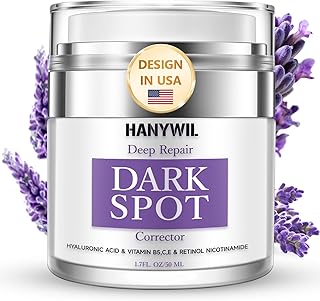
HANYWIL Dark Spot Remover for Face & Body
Check PriceWhat really causes dark spots on the face?
Before we dive into solutions, it helps to understand what you’re treating. Dark spots, often called hyperpigmentation, appear when an overproduction of melanin forms deposits in certain areas of the skin. This can happen for several reasons, and knowing your specific trigger makes you much better at fading the spots for good.
- Sun exposure. UV rays are the number one driver of melanin overproduction. Sunspots, also known as solar lentigines, typically show up on areas that get the most sun, cheeks, forehead, nose, and upper lip.
- Post-inflammatory hyperpigmentation (PIH). This is the flat, darkened mark left behind after a pimple, rash, or aggressive picking. It’s extremely common in deeper skin tones, but it can happen to anyone.
- Melasma. Hormonal changes, like pregnancy, birth control pills, or thyroid disorders, can trigger larger, symmetrical patches, often on the cheeks and forehead. Melasma is stubborn and typically darkens with heat and light exposure.
- Inflammation and irritation. Even harsh skincare ingredients, over-exfoliation, or chronic rubbing can kick melanocytes into high gear, leaving you with uneven tone over time.
Each type of dark spot responds a little differently to treatment. Sunspots tend to lift faster with brightening agents, while melasma often requires a combination of topical actives and strict sun avoidance. PIH usually fades on its own, but the process can be accelerated dramatically with the right ingredients. No matter the trigger, the cornerstone of clearing dark spots is always the same: protecting your skin from further UV damage.
Ingredients that fade dark spots: what the science says
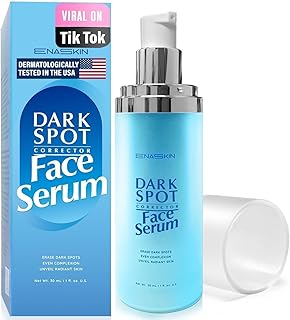
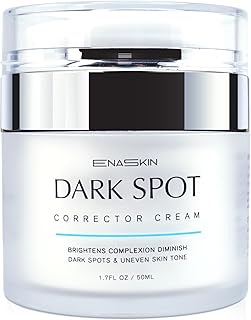
EnaSkin Dark Spot Remover for Face
Check PriceWhen people ask what can clear dark spots on face, they’re really asking for proven actives that go beyond vague brightening claims. These are the heavy hitters you’ll find in dermatologist-recommended serums and creams, each working differently to interrupt pigment production at various stages.
Vitamin C (L-ascorbic acid)
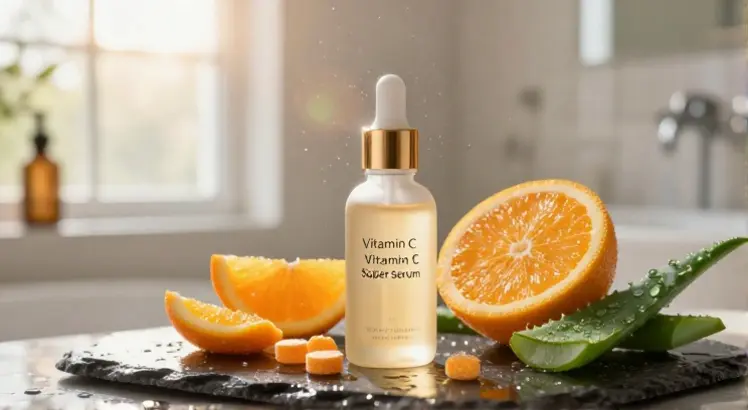
Vitamin C is a gold-standard antioxidant that inhibits the enzyme tyrosinase, which is essential for melanin production. It also neutralizes free radicals, meaning it prevents the environmental damage that triggers new spots. Look for formulas with 10–20% L-ascorbic acid packaged in dark, airless containers. A high-quality vitamin C serum made for men’s thicker skin can deliver that daily shield and visible brightening without unnecessary irritation. Apply it in the morning under sunscreen for a noticeable reduction in spot intensity over 8–12 weeks.
Retinoids (retinol, retinaldehyde, tretinoin)
Retinoids speed up cell turnover, meaning they literally shed the pigmented skin cells faster. Over time, they also disperse melanin granules and help other brightening ingredients penetrate deeper. Beginners should start with an over-the-counter retinol two to three nights per week, buffering with moisturizer to minimize peeling. Prescription tretinoin works even faster but requires strict sun safety. Pairing a retinoid with a tyrosinase inhibitor (like vitamin C or arbutin) often yields faster, more dramatic results.
Niacinamide (vitamin B3)
Niacinamide blocks the transfer of melanin from melanocytes to surrounding skin cells, so pigment never surfaces. It also strengthens the skin barrier and reduces redness, making it a gentle multitasker suitable for sensitive skin. A 5% concentration is enough to see visible tonal improvement, and it plays beautifully with other actives. Unlike some tyrosinase inhibitors, niacinamide is extremely stable and well tolerated morning and night.
Alpha arbutin
Derived from bearberry plants, alpha arbutin is a naturally occurring form of hydroquinone, without the associated risks. It works by slowly releasing hydroquinone to inhibit melanin production, making it one of the safest targeted brighteners for long-term use. Research shows it’s effective even at 1–2%, and it can lighten sunspots and PIH without causing the halo effect that sometimes accompanies stronger lighteners.
Kojic acid and azelaic acid
Kojic acid, a byproduct of fungi fermentation, is a strong tyrosinase inhibitor that works well in combination formulas. Azelaic acid (found in grains and often used in rosacea treatments) targets both the enzyme and abnormal melanocytes, making it particularly helpful for stubborn PIH and melasma. Over-the-counter concentrations deliver results, while prescription strengths (15–20% azelaic acid) can fade dark spots in a matter of weeks.
Chemical exfoliants (AHAs and BHAs)
Glycolic acid, lactic acid, and salicylic acid remove the topmost layer of dead, discolored skin cells, instantly revealing a brighter, smoother surface. They also improve the penetration of treatment serums applied afterwards. A weekly glycolic acid peel pad or a gentle daily lactic acid toner can accelerate spot fading, but overdoing it damages your moisture barrier and can worsen discoloration. Stick to 2–4 times per week and always, always use sunscreen.
If you’re ready to pick a product that combines several of these ingredients, our guide to targeted dark spot correctors for men breaks down the top formulas that balance potency with skin tolerance.
Professional treatments that clear dark spots faster
Dark Spot Remover for Face and Body: Hyperpigmentation Treatment
Check PriceWhen at-home products move too slowly or you’re dealing with deeper, more resistant pigmentation, in-office procedures can safely shave months off your fading timeline. Always consult a board-certified dermatologist first, and follow their prep and aftercare instructions to the letter.
Chemical peels
Medium-depth peels using glycolic acid, trichloroacetic acid (TCA), or lactic acid lift excess pigment and stimulate fresh collagen. A series of three to six peels spaced a month apart can erase sunspots and shallow PIH. Melasma requires a gentler hand; high-concentration peels can sometimes trigger rebound pigmentation, so a dermatologist will choose a light peel like mandelic acid or a modified Jessner’s solution.
Laser and light therapies
Intense pulsed light (IPL) targets melanin selectively, fracturing pigment particles that your body then clears away. It’s excellent for sunspots and freckles but not always ideal for melasma. Picosecond lasers (PicoSure, PicoWay) shatter pigment more finely and with less heat, reducing the risk of post-procedure discoloration. Laser treatments typically require a few sessions and strict sun avoidance, but the results can be dramatic. According to dermatologist-backed advice, lasers remain among the most effective tools for stubborn hyperpigmentation when used by experienced providers.
Microneedling
Microneedling creates micro-channels that enhance serum absorption and induce a wound-healing cascade. When combined with a topical brightening agent like tranexamic acid or vitamin C, it can deliver a significant improvement in melasma and PIH depth. Because it doesn’t rely on heat, microneedling is often a safer choice for darker skin tones prone to heat-induced hyperpigmentation.
Lifestyle tweaks that magnify your results
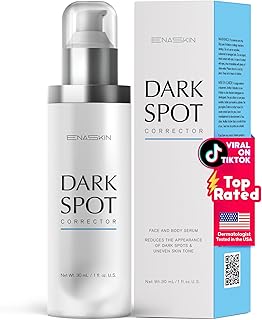
EnaSkin Dark Spot Corrector for Face & Body
Check PriceTopicals and treatments do the heavy lifting, but your daily habits determine whether spots fade completely, or return darker a few months later. Integrating these small shifts makes every product work better.
- Never skip sunscreen. UV rays are the top reason spots come back. Choose a broad-spectrum SPF 30 or higher with PA++++ rating. Mineral sunscreens containing zinc oxide or titanium dioxide form a physical shield that reflects light, making them ideal for hyperpigmented skin. Reapply every two hours when outside.
- Use antioxidants in your morning routine. A vitamin C serum under your SPF doubles your defense by mopping up free radicals from UV and pollution before they trigger melanin spikes.
- Cool it with heat. Melasma in particular worsens with heat. Try lukewarm water when washing your face, avoid saunas and hot yoga classes during a flare, and keep your environment as temperate as possible.
- Manage inflammation. A diet rich in omega-3 fatty acids, colorful vegetables, and polyphenols (think berries, green tea) can mitigate systemic inflammation that aggravates pigmentation. Minimize processed sugars and alcohol, which spike insulin and can worsen hormonal dark spots.
- Hands off. Every time you squeeze a pimple or scrub a dark spot aggressively, you risk creating a fresh PIH mark that takes months to fade. Let actives do the work and use pimple patches to resist the urge.
Putting it together: a sample routine to clear dark spots
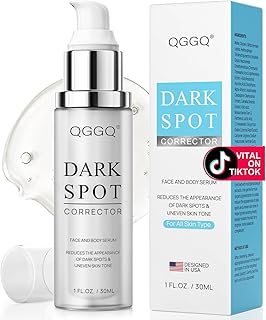
Dark Spot Remover with 20,000ppm Niacinamide & Alpha-Arbutin
Check PriceConsistency is everything. Here’s a straightforward, evidence-based routine that layers active ingredients safely and maximizes fading without causing irritation.
Morning
- Gentle cleanser (avoid foaming formulas with sulfates if your barrier is compromised).
- Antioxidant serum (vitamin C is ideal; apply to dry skin).
- Niacinamide serum (optional, can be layered with vitamin C for synergistic brightening).
- Moisturizer (look for ceramides and squalane to support barrier repair).
- Broad-spectrum sunscreen SPF 50 (reapply midday if exposed).
Evening
- Oil-based cleanser or micellar water to remove sunscreen and makeup, followed by a water-based cleanser.
- Treatment serum containing alpha arbutin, kojic acid, or tranexamic acid (alternatively, use a targeted dark spot corrector like those in our comprehensive roundup).
- Retinoid (2–4 nights per week, start slow; if off-night, apply an exfoliating acid).
- Rich moisturizer to seal everything in.
Introduce only one active at a time, waiting at least two weeks before adding another. This lets your skin acclimate and makes it easy to identify what’s working, and what might be causing sensitivity.
Common mistakes that stall your progress
Even with a cabinet full of brightening products, small missteps can keep dark spots stubbornly in place. Avoiding these pitfalls often yields faster results than layering on more actives.
- Expecting overnight miracles. Spot fading takes time. PIH may lighten in 6–8 weeks, but melasma and old sunspots often require 12 weeks or more. Patience, paired with consistent sun protection, is the real secret weapon.
- Using too many exfoliants. More pеeling does not equal faster fading. Over-exfoliating inflames skin, disrupts the barrier, and can actually stimulate melanocytes to produce more pigment.
- Not using sunscreen on cloudy days. UVA rays penetrate glass and clouds year-round. If you’re treating dark spots indoors near a window, you’re still getting the light that starts the pigment cycle.
- Ignoring skin barrier health. A compromised barrier is more prone to irritation and hyperpigmentation. Prioritize hydration and ceramide-rich moisturizers, especially when using retinoids or acids.
Frequently Asked Questions
Can dark spots be removed permanently? Some spots, like sunspots and PIH, can be cleared to the point they’re invisible, but the underlying tendency to hyperpigment remains. Without ongoing sun protection, new spots can form. Melasma is chronic and often requires maintenance therapy to keep it from returning.
Is it safe to use multiple brightening ingredients together? Yes, if you respect your skin’s tolerance. For example, vitamin C in the morning and a retinoid with niacinamide at night is a well-studied combination. However, avoid layering strong exfoliants with retinoids in the same session to reduce irritation risk. Always patch-test new combinations.
Does diet really affect dark spots? While diet alone won’t erase established spots, chronic high-sugar diets can accelerate skin aging and worsen inflammation that contributes to PIH. Antioxidant-rich foods support your skin’s ability to repair, and adequate zinc and vitamin D intake may help stabilize pigment production.
How long before I see results from a dark spot corrector? With consistent daily use and impeccable sun protection, most people notice a visible improvement in 8–12 weeks. Deeper, older spots may take 16 weeks or more. A targeted dark spot corrector containing at least two proven brighteners speeds up the timeline significantly.
What is the single most important step to clear dark spots? Without question, daily broad-spectrum sunscreen. No amount of active ingredients can outrun UV-induced melanin production. If you stop using everything else but keep up your SPF, your spots will naturally lighten over time.
Your path to an even, confident complexion
Answering what can clear dark spots on face isn’t a one-size-fits-all puzzle, but the framework is empowering: protect, correct, and be patient. Start with a morning antioxidant + ironclad sunscreen routine. Feed in a well-formulated brightening serum and, once your skin adjusts, a retinoid at night. Monitor your progress with weekly photos and resist the urge to over-exfoliate. For stubborn cases, a dermatologist visit for peel or laser options can provide the jumpstart you need. By blending consistent daily care with smart lifestyle choices, you’ll see those spots fade, and stay faded, revealing the clear, luminous skin that’s been waiting underneath.
Disclaimer: Skincare results vary by individual. Always patch test new products and consult a dermatologist if you have specific skin concerns or conditions.