Are dark spots, dullness, or uneven skin tone making your complexion look tired? You’re not alone. Millions of people turn to targeted treatments to restore radiance. A quality skin brightening serum can be a game-changer, but to get the most out of it, you need to understand how skin brightening serum works. This article breaks down the science, the powerhouse ingredients, and the best application techniques so you can achieve a visibly luminous and even skin tone.
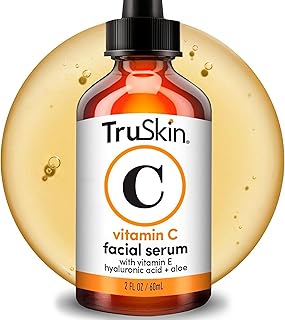
TruSkin Vitamin C Serum for Face
Check PriceUnderstanding How Skin Brightening Serums Work
The Science of Skin Pigmentation
Your skin color comes from a pigment called melanin, produced by cells known as melanocytes. Inside these cells, an enzyme named tyrosinase kicks off a chain reaction that converts the amino acid tyrosine into melanin. This natural process protects skin from UV damage, but when it goes into overdrive, due to sun exposure, hormonal changes, or inflammation, it creates dark spots, melasma, or an overall uneven tone. Understanding this pathway is the first step in grasping how skin brightening serums work.
How Brightening Serums Intervene in Melanin Production
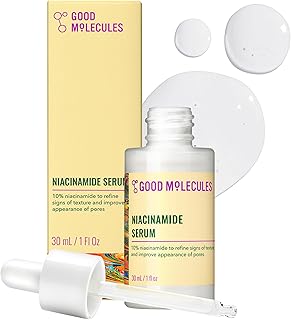
Good Molecules Niacinamide Serum – 10% Niacinamide
Check PriceA skin brightening serum doesn’t bleach your skin. Instead, it targets melanin overproduction at several stages. Here’s exactly how that happens:
- Tyrosinase inhibition: Most brightening ingredients slow down or block the tyrosinase enzyme, cutting melanin production at the source.
- Melanin transfer interruption: Some compounds prevent melanin from moving into the outer layer of the skin, so existing pigment never reaches the surface.
- Antioxidant protection: Potent antioxidants neutralize free radicals that trigger melanocytes, keeping future spots from forming.
- Gentle exfoliation: Ingredients like alpha hydroxy acids (AHAs) remove dead, pigmented cells, speeding up the skin’s renewal process.
- Anti-inflammatory action: Soothing ingredients calm the skin and prevent post-inflammatory hyperpigmentation, the dark marks left behind by acne or irritation.
By combining these actions, a well-formulated brightening serum delivers comprehensive results without harsh, lightening chemicals.
Key Active Ingredients and Their Mechanisms
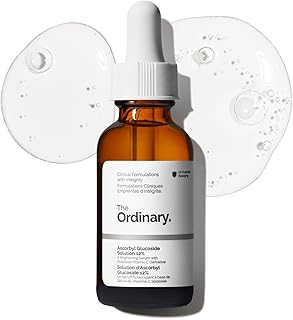
The Ordinary Ascorbyl Glucoside Solution 12%
Check PriceNow that you know how skin brightening serum works on a biological level, let’s look at the specific ingredients that make it happen. When you explore the best brightening serums, you’ll notice these research-backed stars over and over. For a deeper, evidence-based look at ingredient safety, you can also read this expert overview of brightening products from Cleveland Clinic.
Vitamin C (Ascorbic Acid)
Vitamin C is a gold-standard brightener. It inhibits tyrosinase, reduces existing melanin, and offers powerful antioxidant defense against UV-induced damage. Over time, it helps fade dark spots, boosts collagen, and gives skin that sought-after glow. Look for stabilized forms like L-ascorbic acid in concentrations between 10% and 20% for the best balance of potency and tolerability.
Niacinamide (Vitamin B3)
Niacinamide takes a different route: it blocks melanin transfer to skin cells rather than stopping production. This makes it a gentle yet effective option for all skin types, including sensitive and acne-prone skin. It also strengthens the skin barrier, reduces redness, and regulates oil. Concentrations from 2% to 5% are common in brightening formulas.
Alpha Arbutin
Derived from bearberry, alpha arbutin structurally resembles tyrosine. Tyrosinase mistakenly binds to it instead of tyrosine, which slows melanin production dramatically. It’s one of the most skin-friendly brighteners, delivering visible results without the irritation often associated with hydroquinone. You’ll typically find it at strengths of 2% to 4%.
Kojic Acid
Produced from fungi during fermentation, kojic acid is a potent tyrosinase inhibitor. It can lighten stubborn sun spots and melasma, especially when paired with other brightening agents. Since it can be sensitizing, start slowly if you have sensitive skin, and always wear sunscreen.
Licorice Root Extract
Licorice contains glabridin, which prevents UVB-induced pigmentation and inhibits tyrosinase. Beyond brightening, it’s a powerful anti-inflammatory, making it ideal for calming redness and fading post-acne marks simultaneously. It’s a common addition to serums aimed at sensitive or reactive skin.
Azelaic Acid
Naturally produced by yeast, azelaic acid targets both pigment and breakouts. It selectively reduces melanin in overactive melanocytes and clears pores, which is why it’s often prescribed for acne-related hyperpigmentation and rosacea. Concentrations of 10% to 20% are used, and it’s safe for long-term application.
Exfoliating Agents (AHAs & BHAs)
Exfoliants like glycolic acid (an AHA) and salicylic acid (a BHA) don’t directly stop melanin synthesis, but they speed up the shedding of pigmented dead skin cells. This reveals fresher, brighter skin underneath. In a brightening routine, gentle exfoliation enhances penetration of the active brighteners above, accelerating overall results.
How to Use a Skin Brightening Serum for Best Results
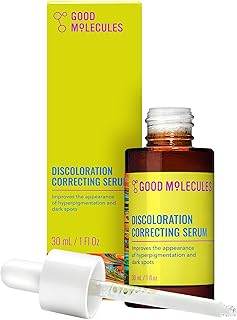
Good Molecules Discoloration Correcting Serum
Check PriceKnowing how skin brightening serum works is only half the battle; proper application determines whether you’ll actually see a transformation. Follow these practical tips to maximize efficacy.
When and How Often to Apply
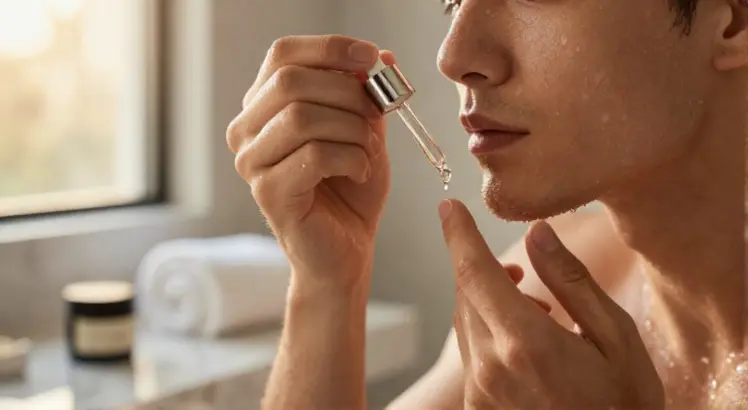
Most brightening serums are designed for once or twice daily use. However, because many active ingredients can increase sun sensitivity, applying them in your nighttime routine is often safest. If you use one in the morning, always follow with a broad-spectrum SPF 30 or higher. Apply a few drops to clean, slightly damp skin, then press gently, don’t rub, to avoid pulling. Before you commit to daily application, learn whether you can use a brightening serum every day based on your skin type and the formula’s strength.
Combining with Other Skincare Products
A brightening serum fits into the early steps of your regimen: after cleansing and toning, but before heavier creams and oils. Layering correctly prevents pilling and ensures absorption. Here’s a simple order:
- Cleanser
- Toner (optional)
- Brightening serum
- Moisturizer
- Sunscreen (AM) or treatment cream (PM)
If you also use retinol or exfoliating acids, alternate them on different nights to avoid irritation. Niacinamide and vitamin C can usually be paired, though some sensitive skin types prefer separating them into morning and evening routines.
Common Myths About Skin Brightening Serums
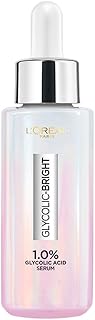
L’Oreal Paris Brightening Serum, 1% Glycolic Acid, 2% Niacinamide
Check PriceMyth: Brightening Serums Bleach the Skin
This misunderstanding keeps many people from trying these products. Brightening serums do not bleach. They work by correcting uneven pigment, not by stripping natural skin color. The result is a more even, healthy tone, not an unnaturally lighter shade.
Myth: Results Are Instant
Skin cell turnover takes about 28 days, and deeper pigmentation can require months to fade. Most users see subtle improvements after 4 weeks, with significant changes at 8 to 12 weeks. Consistency and patience are everything.
Myth: You Can Skip Sunscreen
UV rays are the primary trigger for melanin production. If you don’t protect your skin daily, you’re working against your serum. Sunscreen is non-negotiable, even when you’re indoors or on cloudy days.
Frequently Asked Questions About How Skin Brightening Serums Work
Can I use a brightening serum if I have sensitive skin?
Absolutely. Choose formulas with gentle brighteners like niacinamide, licorice root, or low-concentration alpha arbutin. Always patch test and introduce the product slowly, using it every other night at first.
How long does it take to see results?
You may notice improved radiance within 2 to 3 weeks, but fading of dark spots typically takes 8 to 12 weeks of consistent use. Deeper melasma may need 12 to 16 weeks. Photographing your skin every two weeks can help track progress.
Can I layer a brightening serum with retinol?
Yes, but with caution. Use retinol at night and the brightening serum in the morning, or alternate nights. Combining both at once can be too stimulating. If your skin tolerates it well, applying brightening serum a few minutes before retinol in the PM may enhance results.
Do brightening serums work on all skin tones?
Yes. The mechanisms target excess melanin activity regardless of the baseline skin color. People with darker skin tones should be particularly cautious with strong exfoliants or high-concentration acids to avoid triggering post-inflammatory hyperpigmentation. Stick to gentler, multi-pathway formulas for the safest outcome.
Should I apply brightening serum on wet or dry skin?
Slightly damp skin aids absorption, but avoid dripping wet skin. After cleansing, pat your face lightly so it’s still moist, then apply the serum. This helps active ingredients penetrate efficiently.
Conclusion: Making Your Brightening Serum Work for You
Understanding how skin brightening serum works transforms the way you approach your skincare routine. It’s not magic, it’s targeted science that slows melanin production, blocks pigment transfer, shields skin from new damage, and gently exfoliates away old pigmentation. By choosing a serum with proven ingredients like vitamin C, niacinamide, or alpha arbutin, and using it consistently alongside daily sunscreen, you can achieve visible, lasting improvements.
Start slowly, listen to your skin, and give your chosen formula at least 12 weeks to reveal its full potential. With the right knowledge and discipline, a luminous, even complexion is well within reach.
Disclaimer: This review is based on my personal experience and expert observations. Skincare results vary by individual. Always patch test new products and consult a dermatologist if you have specific skin concerns or conditions.