
If you have ever stared at a bottle of brightening serum and wondered, Can I use brightening serum every day? you are not alone. This question sits at the heart of many skincare routines, especially when you start seeing early results and want more.
The short answer is yes, most brightening serums are designed for daily use, but the real answer depends on your unique skin, the formula, and how you layer the product. In this guide, you will learn exactly what a brightening serum does, how to use it safely each day, what ingredients to look for, and how to build a routine that delivers real glow without irritation.
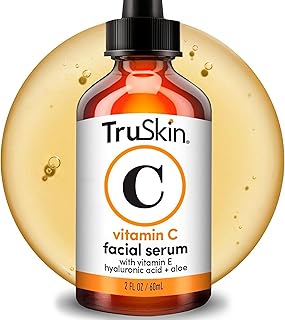
TruSkin Vitamin C Serum for Face
Check PriceWhat Is a Brightening Serum and How Does It Work?
A brightening serum is a lightweight, fast-absorbing treatment packed with active ingredients that target dullness, uneven tone, and dark spots. Unlike a moisturizer that sits on the surface, a serum penetrates deeper to tackle hyperpigmentation, boost radiance, and support an even complexion. The magic lies in how these actives work: they can slow melanin production, exfoliate dead skin cells, and defend against free radical damage that causes skin to look tired and discolored.
Key Ingredients in Brightening Serums
- Vitamin C (L-ascorbic acid): A powerful antioxidant that fades dark spots and protects against environmental damage.
- Niacinamide (Vitamin B3): Calms redness, strengthens the skin barrier, and blocks pigment transfer to the surface.
- Alpha Arbutin: A gentle, plant-derived ingredient that reduces melanin formation without irritation.
- Kojic Acid: Derived from mushrooms, it lightens existing dark spots and prevents new ones.
- Azelaic Acid: Fights pigmentation and breakouts, making it great for acne-prone skin.
- Licorice Root Extract: Soothes inflammation while fading discoloration.
- AHAs (Glycolic, Lactic Acid): Exfoliate the top layer to reveal brighter skin underneath, but require careful daily use.
Can You Use Brightening Serum Every Day?
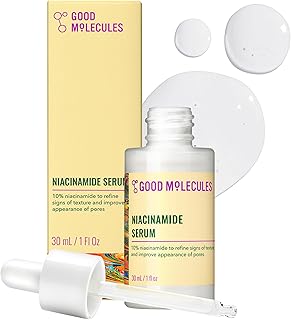
Good Molecules Niacinamide Serum – 10% Niacinamide
Check PriceThe most direct answer is that daily use is safe and often recommended, provided you choose a serum formulated for everyday wear and you listen to your skin. Many over-the-counter serums have been tested for daily application and even show better results with consistent use. According to the American Academy of Dermatology, antioxidants like vitamin C work best when applied every morning to shield the skin from UV damage and pollution. However, not every serum is automatically daily-friendly. Products with high percentages of exfoliating acids or retinoids may need to be introduced slowly.
If you are unsure whether your specific formula can go on your face every morning or evening, check the product label. Statements like suitable for daily use or use AM and PM are your green light. For example, many readers ask if they can use TruSkin Vitamin C Super Serum every day, our detailed guide on whether TruSkin Vitamin C Super Serum is safe for daily use breaks down exactly how to incorporate that formula without overdoing it. When in doubt, start three times a week and slowly increase frequency.
General Safety and Daily Use Guidelines
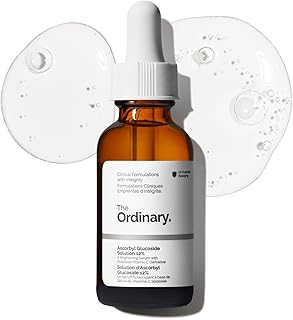
The Ordinary Ascorbyl Glucoside Solution 12%
Check Price- Patch test first. Apply a small amount behind your ear or on your inner arm for three days in a row before putting it on your face.
- Start low and slow. Even a daily-friendly serum can cause irritation if your skin is not accustomed to actives. Begin with alternate days for the first two weeks.
- Always use sunscreen. Brightening ingredients strip away dullness but can make skin more vulnerable to sun damage. SPF 30 or higher is non-negotiable every morning.
- Layer correctly. Apply the serum to clean, dry skin before heavier creams. This ensures maximum penetration.
- Watch for over-exfoliation. If you see redness, tightness, or increased sensitivity, scale back to every other day or drop other exfoliating products.
Skin Type Considerations
Oily skin: Daily serums with niacinamide or azelaic acid regulate sebum and fade post-acne marks. You may benefit from twice-daily application after a few weeks.
Dry skin: Look for hydrating brighteners like lactic acid or a formula with glycerin and hyaluronic acid. Daily use is fine, but always follow with a rich moisturizer.
Sensitive skin: Use a low-concentration vitamin C (5% or less) or a soothing blend with licorice root. Start three times a week and stay there if daily use triggers redness.
Combination skin: You can use a brightening serum daily, but you may want to apply it only to the dull, oily zones or areas with dark spots rather than the entire face.
Benefits of Daily Brightening Serum Use
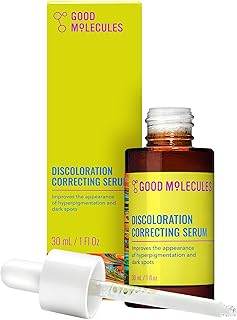
Good Molecules Discoloration Correcting Serum
Check PriceUsing a brightening serum every day can transform your complexion when done right. Consistency is what delivers real results over time. Here is what you can expect after several weeks of daily application:
- Fading of dark spots and hyperpigmentation. Active ingredients steadily break up excess melanin clusters, making sun spots and post-inflammatory marks less visible.
- More even skin tone. Daily suppression of pigment production leads to a balanced, uniform complexion.
- Radiant, lit-from-within glow. Exfoliating and antioxidant ingredients remove the layer of dead, dull cells and protect new skin from damage.
- Boosted collagen and skin firmness. Vitamin C in particular stimulates collagen synthesis, which improves skin texture and reduces fine lines.
- Enhanced protection against environmental stress. Antioxidants build a reservoir in your skin, so daily application strengthens that defense each day.
Potential Risks and How to Avoid Them
Even though daily use is possible, doing it incorrectly can backfire. The most common issues are irritation, breakouts, and increased sun sensitivity. Here is how to sidestep those problems:
- Overdoing actives. Using a high-acid brightening serum along with a scrub, retinoid, and another exfoliant in the same routine is a recipe for a damaged barrier. Stick to one or two active serums and alternate days if needed.
- Skipping sunscreen. Brightening agents, especially AHAs and vitamin C, make your skin more photosensitive. Daily unprotected UV exposure can worsen pigmentation, undoing all your progress.
- Using an unstable formula. Vitamin C oxidizes quickly when exposed to light and air. If your serum turns dark orange or brown, it has lost its effectiveness and could irritate your skin.
- Not moisturizing enough. Some brightening serums can be drying. Always seal with a good moisturizer to maintain a healthy barrier.
A smart way to avoid these pitfalls is to choose a serum that matches your experience level. Those new to daily actives can start with a gentle, multi-purpose product. Our curated list of the best serums for skin brightening includes options for every skin type and sensitivity level so you can find a formula that fits seamlessly into your daily routine.
How to Build a Daily Brightening Serum Routine
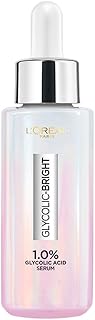
L’Oreal Paris Brightening Serum, 1% Glycolic Acid, 2% Niacinamide
Check PriceIntegration matters as much as the product itself. A structured routine keeps your skin happy while maximizing results.
Morning vs. Night Application
In the morning, brightening serums with antioxidants like vitamin C protect your skin from free radicals and enhance your sunscreen’s defense. At night, skin goes into repair mode, making it an ideal time for ingredients that exfoliate and renew, such as AHAs, kojic acid, or retinol-enhanced serums. You can use a brightening serum both morning and night, but only if the formula is gentle enough for twice-daily use. A typical split is antioxidant serum in the AM and a resurfacing/renewal serum in the PM.
Sample AM routine:
- Gentle cleanser
- Vitamin C brightening serum (3-4 drops)
- Moisturizer with SPF 30 (or separate sunscreen)
Sample PM routine:
- Double cleanse (oil-based then water-based)
- Brightening serum with niacinamide or azelaic acid
- Moisturizer (no SPF needed)
Ingredients to Look for (and Avoid) for Daily Use
Not every brightening agent is built for seven-days-a-week wear. What you choose makes or breaks your routine.
Excellent daily ingredients:
- Vitamin C (L-ascorbic acid at 5-15% for daily use)
- Niacinamide (2-5%)
- Alpha arbutin (1-2%)
- Licorice root extract
- Kojic acid (1% or less)
- Azelaic acid (10% or less)
Ingredients requiring cautious daily use:
- High-percentage AHAs (glycolic acid above 10%, lactic acid above 10%)
- Strong retinoids (tretinoin, high-strength retinol); these are better used a few nights a week alongside a comforting brightener on off nights.
- Hydroquinone (prescription level); should be cycled under medical supervision, not used indefinitely daily.
Frequently Asked Questions
Can I use brightening serum if I have sensitive skin?
Yes, but you need to pick a formula with soothing ingredients like niacinamide, licorice root, or alpha arbutin, and start with every other day. Avoid high-acid serums, and always moisturize well. If stinging occurs, pause and try a lower concentration.
Should I use brightening serum in the morning or at night?
It depends on the ingredients. Antioxidant-based serums (vitamin C) are ideal in the morning under sunscreen. Serums with exfoliating or renewing ingredients work best at night. Some gentle formulas can be used both times, but always follow the product’s instructions.
Can I layer brightening serum with other actives?
You can, but be strategic. Vitamin C pairs well with vitamin E and ferulic acid. Niacinamide works with most brighteners. Avoid mixing vitamin C directly with exfoliating acids or copper peptides in the same routine; use them on alternate days or mornings/nights.
How long until I see results from daily use?
With consistent daily application and sun protection, you may notice increased radiance in two to three weeks. Dark spots and uneven tone typically start to fade after four to eight weeks. Clinical changes in hyperpigmentation can take up to three months.
Can I use brightening serum every day while pregnant or breastfeeding?
Many gentle brighteners like vitamin C, niacinamide, and azelaic acid are considered safe, but always check with your healthcare provider. Avoid retinoids and high-dose salicylic acid. Stick to pregnancy-safe formulations with clean, straightforward ingredients.
Conclusion
So, can you use a brightening serum every day? Absolutely, and in most cases, daily use is the fastest path to a brighter, more even complexion. The key is to choose a daily-friendly formula, introduce it gradually, and never skip sunscreen. Pay attention to how your skin responds, and adjust the frequency or switch to a gentler product if irritation appears. With the right serum and a consistent routine, you can fade dark spots, boost radiance, and wake up to glowing skin morning after morning. Your skin will thank you for the steady, smart commitment.
Disclaimer: This review is based on my personal experience and expert observations. Skincare results vary by individual. Always patch test new products and consult a dermatologist if you have specific skin concerns or conditions.