
You wake up, look in the mirror, and there it is, a patchwork of darker spots scattered across your forehead, cheeks, or upper lip that wasn’t there a few years ago. If you have ever found yourself staring at your reflection asking, why do i have dark spots on my face, you are not alone. This is one of the most common cosmetic concerns dermatologists hear, and understanding the answer is the first step toward achieving a clear, even complexion.
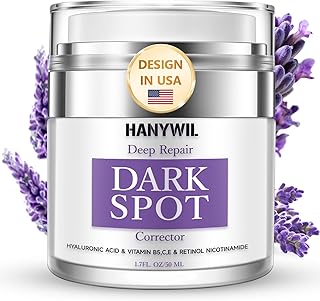
HANYWIL Dark Spot Remover for Face & Body
Check PriceThe Root Cause: Your Skin’s Pigment Factory
To understand why dark spots appear, you need to understand melanin. Melanin is the pigment produced by cells called melanocytes. It’s your body’s natural sunscreen, designed to protect your skin cells’ DNA from harmful ultraviolet (UV) radiation.
When your skin is triggered by certain aggressors, primarily the sun, the melanocytes go into overdrive, pumping out excess pigment. This pigment clumps together, creating what we medically refer to as hyperpigmentation. It’s essentially your skin’s memory, recording every instance of damage or inflammation over the years.
The 3 Major Types of Dark Spots
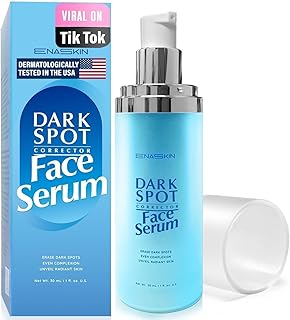
EnaSkin Dark Spot Remover for Face
Check PriceNot all dark spots are created equal. Before you can effectively treat them, you need to identify which type you are dealing with. Dermatologists typically categorize them into three buckets: Melasma, Post-Inflammatory Hyperpigmentation (PIH), and Sunspots.
1. Melasma: The Mask of Pregnancy
Melasma appears as large, patchy, brownish areas that often look like a map. It’s usually symmetrical, meaning if you have it on your left cheek, you likely have it on your right. While the question why do i have dark spots on my face applies to all demographics, melasma disproportionately affects women, particularly during pregnancy or while taking birth control pills. This is because hormones are a massive trigger. Heat and visible light (the kind from the sun and your cell phone) can also aggravate it. It sits deeper in the skin than other spots, making it notoriously stubborn.
2. Post-Inflammatory Hyperpigmentation (PIH): The Scar’s Shadow
Have you ever noticed a flat, dark spot that lingers long after a pimple has healed? That’s PIH. It isn’t a true scar; it’s a pigment response to injury. This occurs whenever the skin experiences inflammation. Triggers include cystic acne, eczema, psoriasis, or even a poorly executed chemical peel. For deeper skin tones, PIH is one of the most common answers to the question of facial dark spots, because the melanocytes in darker skin are naturally more reactive to trauma.
3. Solar Lentigo: The Sun’s Receipt
Often called liver spots or age spots, these are the most straightforward indicator of cumulative sun exposure. They usually appear as small, well-defined, dark patches on areas most exposed to the sun: the forehead, the tops of the cheeks, and the back of the hands. Unlike melasma, they don’t move in patchy clusters; they sit flat and stubborn, and they are extremely common past the age of 40.
Hidden Triggers That Worsen Dark Spots
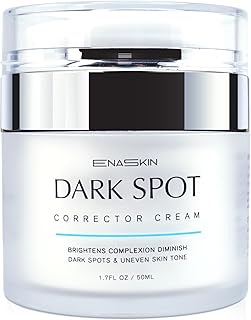
Dark Spot Remover for Face and Body: Hyperpigmentation Treatment
Check PriceSunlight is responsible for roughly 80% of visible skin aging and darkening, but it’s not the only culprit. If you’ve been protecting yourself from the sun and still seeing spots, a few other daily habits might be sabotaging your skin.
- Blue Light (HEV Light): The high-energy visible light from your phone and computer screens has been shown to induce long-lasting pigmentation, especially in darker skin types. It penetrates deeper than UV rays and triggers melanocyte activity.
- Heat: Infrared heat, whether from a sauna, cooking over a hot stove, or intense workouts, can activate a pathway inside melanocytes, leading to pigmentation without any UV ray hitting the skin.
- Friction: Vigorous scrubbing, harsh exfoliating brushes, or even constantly rubbing your face with a towel can cause a subtle friction hyperpigmentation. This is particularly common on the inner thighs but can happen on the face.
- Perfumes and Essential Oils: Certain bergamot, lime, or other citrus oil-based fragrances can cause a phototoxic reaction. You apply them, walk into the sun, and develop stubborn dark streaks right where the product was sprayed.
Professional Treatments vs. At-Home Solutions
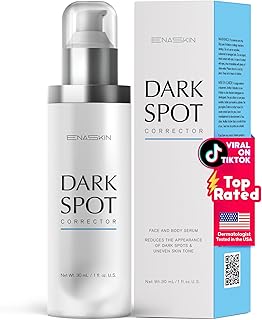
EnaSkin Dark Spot Corrector for Face & Body
Check PriceWhen you search for an answer to why do i have dark spots on my face, the follow-up is always how do I remove them? The path usually splits into two roads: professional interventions and over-the-counter (OTC) products. Both can work, but the timeline and aggression level differ.
The Professional Approach
- Laser and IPL (Intense Pulsed Light): These devices use specific wavelengths of light to shatter pigment particles. They work best on sunspots with high contrast against the skin. However, they are risky for melasma and darker skin tones because the heat can cause a rebound effect, making the mask much worse than before.
- Chemical Peels: Using high-concentration acids like TCA or glycolic acid, a dermatologist can remove the very top layer of damaged skin, essentially shedding the pigment away. This requires significant downtime involving peeling and redness but yields faster results on superficial spots.
- Microneedling: Fine needles create micro-injuries to break up pigment clusters and stimulate collagen. This is particularly effective for PIH and shallow scarring, but it must be done by a certified professional.
The At-Home Hero Ingredients
If professional treatments are out of your budget or comfort zone, topical formulations containing specific brightening agents can significantly fade discoloration. The key is finding a high-quality serum that targets multiple paths of pigment production. If you are looking for a solid entry point, understanding formulations tailored for thicker facial skin which tends to produce strong melanin reactions can be a game-changer.
- Vitamin C (L-Ascorbic Acid): A powerful antioxidant that neutralizes free radicals and inhibits the enzyme tyrosinase, which is essential for melanin production. A stabilized, potent serum is non-negotiable here. For a deeper dive, exploring broad-spectrum clearing agents is highly recommended.
- Retinoids: These speed up cellular turnover, pushing old, pigmented cells to the surface and shedding them faster. Retinol is the OTC version; Tretinoin is the prescription-strength gold standard.
- Tranexamic Acid: A newer rockstar ingredient that reduces the inflammatory signals telling your cells to create pigment. It’s one of the only things that can safely target the vascular component of melasma.
- Kojic Acid and Azelaic Acid: Both derived from natural sources (mushrooms and grains, respectively), they gently inhibit tyrosinase. Azelaic acid has the bonus of being pregnancy-safe and excellent for active acne.
Creating a Dark Spot Correcting Routine
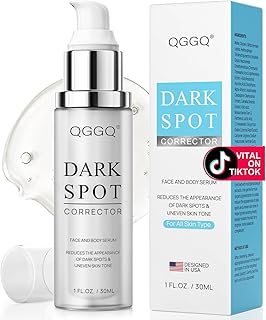
Dark Spot Remover with 20,000ppm Niacinamide & Alpha-Arbutin
Check PriceUsing active ingredients without a proper routine is like planting a garden without watering it. You need the right structure to protect your skin’s barrier while treating the spots.
Morning: Protect and Prevent
- Gentle Cleanser: Avoid soaps with high pH. Go for a milky or gel cleanser that doesn’t strip the skin.
- Antioxidant Serum: Apply a potent Vitamin C serum immediately after drying your face to buffer UV and blue light damage. Learning the correct layering technique for vitamin C ensures you get maximum absorption without irritation.
- Mineral Sunscreen SPF 30+: This is mandatory. Chemical sunscreens absorb UV and convert it to heat, which can flare up melasma. For reactive, pigmented skin, mineral sunscreens with Zinc Oxide or Titanium Dioxide deflect heat and light, offering superior, calming protection.
Evening: Repair and Rejuvenate
- Double Cleanse: Remove sunscreen thoroughly with an oil-based cleanser first, followed by your gentle water-based cleanser.
- Active Treatment: Apply your tyrosinase inhibitor or retinoid. If skin is damp, wait 20 minutes before applying a strong retinol to prevent irritation. Rotate acids: Retinol one night, AHA/BHA the next.
- Barrier Support Moisturizer: Lock in hydration with ceramides and niacinamide (which also supports brightening) to prevent the inflammation that triggers new PIH.
Lifestyle Tweaks That Stop Spots Before They Start
Addressing the root cause of why do i have dark spots on my face often means looking past your medicine cabinet. Systemic inflammation from diet and environment plays a supporting role in persistent pigmentation.
- The Sugar Connection: High blood sugar causes a process called glycation. This not only wrinkles the skin but also damages collagen, leading to inflammation that triggers melanocytes to protect the damaged tissue. Swapping refined carbs for low-glycemic foods can dull the inflammatory response.
- Oral Sunscreens: Supplements containing Polypodium leucotomos (a fern extract) can act as a systemic defense against UV damage. While not a replacement for topical SPF, they raise the threshold of melanocyte activation from within.
- Heat Management: For those with heat-triggered melasma, keeping a facial mist with thermal water in the fridge can help instantly cool the skin surface during a hot flash or intense workout, literally shutting down the heat-activated pigmentation pathway.
Frequently Asked Questions About Dark Spots
EnaSkin Dark Spot Remover for Face
Check PriceCan dark spots go away on their own?
It depends on the depth. Post-inflammatory hyperpigmentation (PIH) from a single pimple can fade over months if protected from the sun. However, melasma and sunspots are cumulative, structural changes in the skin; they rarely vanish entirely on their own and require intervention to break up the pigment clusters.
What is the difference between melasma and age spots?
Melasma is usually hormonal, patchy, and symmetrical, often covering large areas like a mask. Age spots (solar lentigines) are isolated, well-defined coins of pigment caused by chronic sun exposure. Melasma blurs into the skin; age spots have sharper borders.
Why is my dark spot getting darker even with sunscreen?
If you are using a chemical sunscreen, the UV rays might be converting to heat on your skin, which can still trigger melasma. You might also be re-applying too infrequently or, crucially, forgetting that visible light (HEV) from screens and LED bulbs also darkens spots. A tinted mineral sunscreen with iron oxides is the only thing that blocks HEV light.
Do home remedies like lemon juice work?
Lemon juice is highly acidic and can disrupt the skin barrier, causing severe irritation before it ever produces a brightening effect. Worse, specific citrus oils are phototoxic, meaning they burn the skin violently when exposed to UV, leaving massive, dark, burnt patches. Avoid putting raw fruit juice on your face.
A Long-Term Perspective on Clear Skin
EnaSkin Dark Spot Remover for Face
Check PriceAnswering the question why do i have dark spots on my face ultimately reveals something hopeful: this isn’t a random curse but a biological function you can control. At its core, a spot is a message from your melanocyte, a signal that the skin’s environment, internally and externally, needs calming. The most expensive laser in the world will fail if you walk out and bake in the sun or eat an inflammatory diet every day.
The golden rule of brightening is that it takes as long to fade a spot as it took to create it, often 3 to 6 months of consistent, daily effort. Patience is part of the process. By combining rigorous mineral sun protection, proven tyrosinase inhibitors, and a gentle barrier-respecting approach, you don’t just fade existing spots; you stop the signal that would create new ones. The skin you are revealing underneath is worth the wait.
Disclaimer: Skincare results vary by individual. Always patch test new products and consult a dermatologist if you have specific skin concerns or conditions.