
Vitamin C serum has earned a permanent spot in countless skincare routines, and for good reason. It brightens, protects, and smooths the complexion like few other ingredients can. But a bottle of even the best brightening serum packed with antioxidants will not deliver optimal results if applied at the wrong time. Getting the timing right is often the difference between glowing, protected skin and a product that simply sits on your face without making a real impact.
If you have ever stood in front of your bathroom mirror wondering whether to reach for that bottle in the a.m. or p.m., you are not alone. This guide cuts through the noise to explain exactly when to use vitamin c serum, how to layer it with confidence, and why your schedule has a profound effect on visible results.
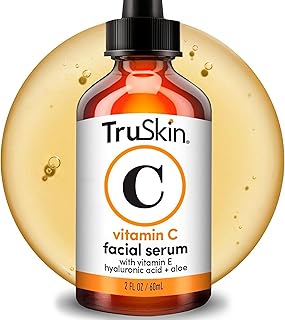
TruSkin Vitamin C Serum
Check PriceWhy Timing Matters for Vitamin C
Vitamin C, often listed as L-ascorbic acid on ingredient labels, is a potent active. When you apply it, the molecule goes to work neutralizing free radicals, suppressing melanin, and stimulating collagen production. But it is also a finicky ingredient. It needs contact with clean, relatively dry skin to penetrate effectively, and too many competing products can tamper with its low pH requirements. Timing determines whether the active stays stable long enough to do its job before sunscreen, makeup, or nighttime treatments come into play.
Poor timing leads to common complaints: stinging, oxidation, sticky residue, or simply no visible brightening. Proper timing turns the same formula into a reliable glow booster and shield. Understanding the skin’s circadian rhythm also helps. During the day, the skin faces UV radiation, pollution, and blue light. At night, it shifts into repair mode. Aligning an antioxidant powerhouse like vitamin C with these biological patterns can amplify its effectiveness.
The Best Time: Morning Application Explained
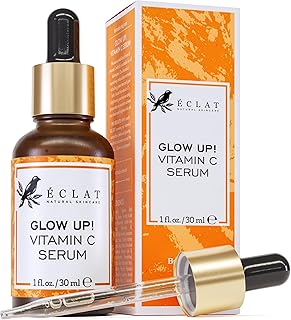
Eclat Skincare Vitamin C Serum
Check PriceFor most people, the answer to when to use vitamin c serum is straightforward: in the morning. This recommendation is not a random preference. It is anchored in photobiology and the everyday realities of sun exposure.
The Sunscreen Synergy Effect
Vitamin C is not a sunscreen, but it acts like a shield reinforcement. UV filters in sunscreen primarily absorb or reflect rays. What they often miss are the free radicals generated by the small percentage of UV that still penetrates. This is where vitamin C excels. The serum builds a reservoir of antioxidants in the skin that remains active for up to 72 hours, steadily neutralizing oxidative stress throughout the day.
Think of it as a backup defense system. Your SPF is the main wall, and vitamin C is the internal cleanup crew. Studies cited by sources like the American Academy of Dermatology highlight this photoprotective boost. When you layer a high-quality serum under a broad-spectrum sunscreen with at least SPF 30, you minimize photoaging more effectively than using sunscreen alone. This synergistic pairing prevents collagen breakdown and stubborn dark spots from forming in real time.
Protecting Against Environmental Aggressors
Morning is when your skin walks into a battlefield of particulate matter, cigarette smoke, and infrared radiation. Vitamin C is a sacrificial antioxidant. It oxidizes itself so that your healthy skin cells do not have to. Applying the serum right after cleansing primes your face to handle the daily onslaught. This is particularly valuable for people living in urban environments or those who spend hours in traffic. Starting the day without an antioxidant leaves the skin unprotected until the next application. The damage accumulates silently, manifesting months later as dullness, deeper wrinkles, and uneven texture.
The Case for Nighttime Application
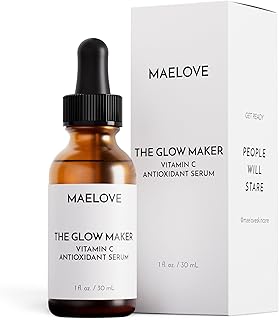
MAELOVE Glow Maker Vitamin C Serum
Check PriceMorning use is the gold standard, but nighttime application is not wrong. In some cases, it is the better strategic move. The skin repairs itself most actively between 11 p.m. and 4 a.m. During this window, collagen synthesis peaks and cell turnover accelerates. Vitamin C is a cofactor for collagen production. Providing a fresh dose at night supports the body’s natural repair workshop.
However, the acid mantle is slightly more permeable at night, which can make strong L-ascorbic acid formulas sting more on sensitive skin. If you choose nighttime application, you must also consider product interactions. Retinoids like retinol and prescription tretinoin are classic nighttime staples. They work at a different pH than vitamin C and can degrade each other if layered directly. Timing them on alternating nights or using vitamin C in the morning and retinol at night solves this effectively. Some stable, lipid-soluble vitamin C derivatives, such as tetrahexyldecyl ascorbate, are gentler and can be paired with retinoids more easily, but caution remains key.
Morning vs. Night: A Head-to-Head Comparison
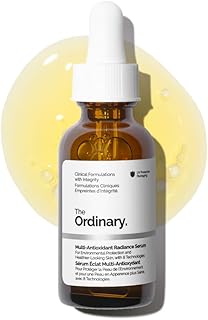
The Ordinary Multi-Antioxidant Radiance Serum
Check Price- Morning Use Benefits: Maximizes photoprotection, neutralizes pollution damage, boosts the performance of sunscreen, and creates an immediate glow under makeup. Best for preventing new spots and shielding collagen.
- Morning Use Drawbacks: L-ascorbic acid can oxidize quickly if not properly formulated. May cause pilling under heavy creams. Requires a patient wait time before SPF.
- Nighttime Use Benefits: Works uninterrupted during the skin’s repair peak. No exposure to UV that can oxidize the product on the skin. Supports collagen synthesis when the body is naturally rebuilding.
- Nighttime Use Drawbacks: Misses the critical daytime protective window. Potential for irritation when layered with exfoliants or retinoids. Morning skin can feel unprotected without an antioxidant layer.
How to Layer Vitamin C Correctly
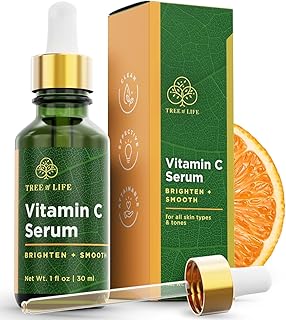
Tree of Life Vitamin C Serum
Check PriceLayering is just as important as timing. Skincare is a chemistry experiment on your face, and order matters tremendously. A common mistake is applying the serum too early on damp skin or too late over heavy emollients. Getting the sequence right ensures penetration and prevents the dreaded pilling or stickiness.
The Ideal Morning Routine Sequence
- Step 1: Gentle Cleanser. Remove overnight oils without stripping the barrier. A low-pH cleanser preps the skin without disrupting the acid mantle.
- Step 2: Vitamin C Serum (on dry skin). Apply 4 to 5 drops to bare, completely dry skin. Damp skin increases penetration speed, which sounds good but often leads to heightened irritation. Wait 60 to 90 seconds for it to absorb fully.
- Step 3: Hydrating Mist or Essence (optional). If the serum feels tight, a light layer of a glycerin-based mist can add comfort without interfering.
- Step 4: Moisturizer. Seal in hydration with a barrier-friendly lotion or cream. Avoid products with high amounts of copper peptides immediately after, as studies suggest a potential interaction that reduces vitamin C efficacy.
- Step 5: Sunscreen. Finish with a generous, even layer of SPF 30 or higher. This is non-negotiable. Vitamin C without sunscreen is like an umbrella with holes.
Adjusting the Routine for Sensitive Skin
Sensitive skin types often panic reading about daily L-ascorbic acid. A practical approach is buffering. Mix one drop of serum into a simple, fragrance-free moisturizer in your palm before applying. This dilutes the acidity slightly while still delivering antioxidant benefits. Another option is shifting to every other morning or three times a week until the skin builds tolerance. If stinging persists, a gentle vitamin C formula designed for reactive skin with a derivative like magnesium ascorbyl phosphate may be a wiser long-term investment.
Can You Use Vitamin C Serum Twice a Day?
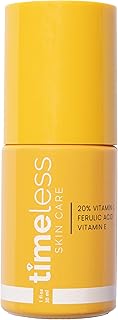
Timeless Skin Care Vitamin C Serum
Check PriceYes, you can, but most people simply do not need to. The skin’s vitamin C reservoir gets saturated with consistent once-daily use. Applying twice daily increases the risk of surface irritation without proportionally increasing benefits. Those dealing with aggressive, deep hyperpigmentation sometimes adopt a twice-daily protocol under professional guidance. In these cases, using a stable, non-acidic form at night prevents over-exfoliation of the barrier. For the average person, the focus should remain on daily morning consistency rather than frequency. One committed application is worth more than three sporadic ones.
Signs You Are Using It at the Wrong Time
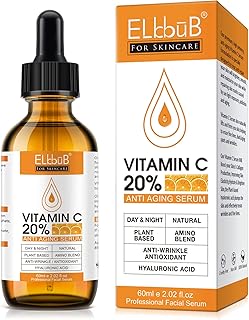
Premium 20% Vitamin C Serum with Retinol
Check PriceYour skin communicates clearly when the routine is off. Recognizing these signals early prevents prolonged damage.
- Persistent redness or a tight sensation. This often means you are applying the serum on damp skin immediately after an acid toner, or pairing it with exfoliants in the same session.
- Visible orange or oxidized residue. If your serum turns amber quickly in the bottle, it is unstable. If it leaves a slightly orange tint on your face by midday, you are likely applying a rapidly oxidizing formula too late or without proper protection.
- No visible brightening after 10 weeks. Consistent use should show a more even tone. If nothing changes, the serum might be oxidatively degraded by your sunscreen ingredients or used inconsistently during the wrong circadian window.
- Breakouts around the chin or forehead. Sleeping in a heavy vitamin C serum layered under an occlusive night cream can trap heat and clog pores in acne-prone individuals. Using it in the morning under a lightweight SPF often resolves this.
Vitamin C for Specific Skin Conditions: Timing Adjustments
For Hyperpigmentation and Melasma
Melasma is hormonally driven and reacts aggressively to heat and visible light, not just UV. In this situation, morning application is absolutely essential as the first line of internal defense. Using a serum that contains a combination of L-ascorbic acid and other tyrosinase inhibitors (like tranexamic acid or kojic acid) twice a day can accelerate results under a dermatologist’s care. The key timing nuance is reapplication of protection. If sweating or outdoors for extended periods, reapply sunscreen over the vitamin C layer to avoid a rebound pigment effect.
For Anti-Aging and Collagen Synthesis
As collagen fibers degrade, the focus should be on preventing further UV-induced breakdown. Morning application remains the primary strategy. However, evidence supports that L-ascorbic acid applied at night might slightly boost the repair of existing photodamage when used in tandem with growth factors. The emphasis should be on long-term, unbroken consistency over a period of six months or more to see a noticeable plumping effect.
For Acne and Post-Inflammatory Red Marks
Those red or purple spots left after a breakout are notoriously slow to fade. Morning vitamin C reduces the oxidative stress that makes the marks linger longer. Pairing it with a gentle, non-comedogenic moisturizer ensures the skin heals in a balanced environment.
Stability, Storage, and Shelf Life
Timing is meaningless if the product inside the bottle has oxidized before it even touches your face. L-ascorbic acid is water-soluble and notoriously unstable when exposed to light, heat, and air. A freshly opened, slightly pale or clear serum that gradually darkens to an amber or brown color has lost significant potency. Using oxidized vitamin C does not harm you, but it offers zero antioxidant benefit and may even introduce free radicals to the skin.
Store the bottle in a cool, dark medicine cabinet, not on a sunny bathroom shelf. Keep the cap tightly sealed. Some people even store their vitamin C in the refrigerator to extend its active life. This also adds a soothing depuffing effect during morning application. If a 30ml bottle lasts longer than three to four months with daily use, the application amount might be too low to provide full face and neck coverage.
Common Myths About Vitamin C Timing
- Myth: You cannot go into the sun after applying vitamin C. You absolutely can and should. It is designed for daytime defense. Just always pair it with sunscreen.
- Myth: Niacinamide and vitamin C must be separated by hours. This outdated belief stems from older formulations that caused flushing when combined. Most modern, stable formulas can be layered with a short wait time or used in the same routine without issue for the majority of skin types.
- Myth: Tingling means it is working. A mild, brief sensation is common, but persistent burning indicates barrier impairment. Discomfort is not a measure of efficacy.
Frequently Asked Questions
Should I apply vitamin C serum before or after moisturizer?
Always apply vitamin C serum before moisturizer. As a rule of thumb, skincare products should be applied from thinnest to thickest consistency. Serums are lightweight and benefit from direct contact with clean skin. The moisturizer then seals it in and prevents transepidermal water loss.
Can I use vitamin C serum every morning?
Yes, daily morning use is both safe and recommended for most skin types once tolerance has been established. Beginners might start every other day for the first two weeks. Consistent daily application builds an antioxidant reservoir that offers continuous protection.
Is it safe to use vitamin C serum with retinoids?
Yes, but they function best at different times. Vitamin C is ideally used in the morning for protection, while retinoids are better suited for nighttime due to their sensitivity to light and the skin’s overnight repair cycle. Using them this way minimizes irritation entirely.
How long should I wait between vitamin C and sunscreen?
A gap of 60 to 90 seconds is typically sufficient. You want the serum to feel dry and set on the skin before applying sunscreen. Applying sunscreen too quickly can dilute the serum or cause uneven spreading. Patience here prevents pilling.
Conclusion
Mastering when to use vitamin c serum transforms a good skincare routine into a great one. The overwhelming evidence points to the morning as the prime window. Starting your day with this powerhouse ingredient gives your skin an upper hand against UV rays, pollution, and the slow march of collagen loss. However, skin is deeply personal. Some complexions thrive with an evening application, especially when targeting repair in a controlled, dark environment free from makeup and midday oil.
The non-negotiable part of the equation is not the specific hour you apply it, but the consistency with which you combine it with diligent sun protection. Store the bottle carefully, watch how your skin responds, and never sacrifice your moisture barrier for the sake of speed. Carve out those quiet 90 seconds in the morning to let the serum absorb, and let that small daily habit build toward a noticeably more resilient and even complexion.
If you are still experimenting with your routine or need guidance on layering multiple actives, visiting a skincare professional can tailor that timing to your exact biology, ensuring you get every ounce of benefit from every drop.