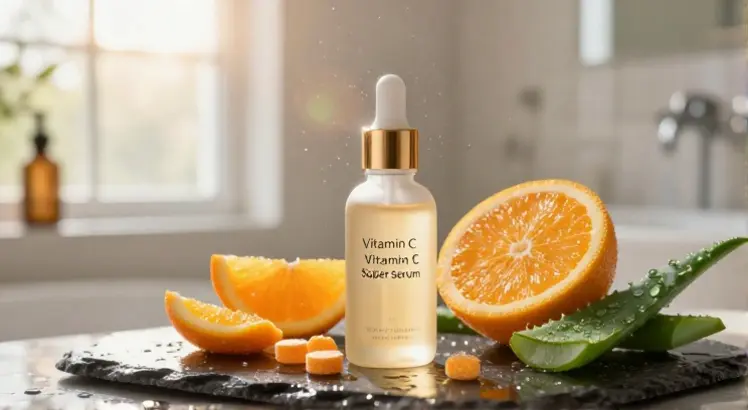
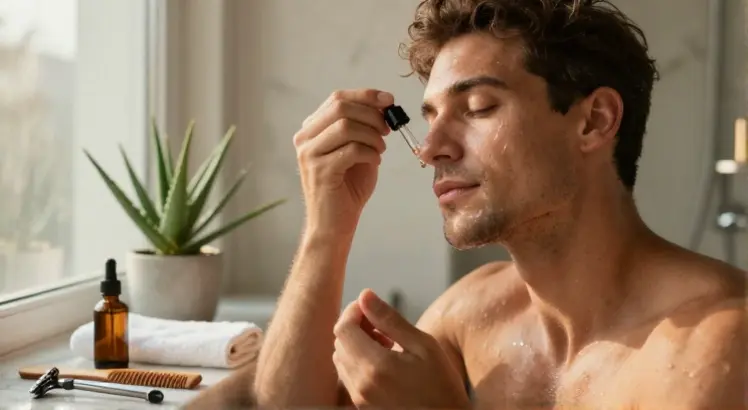
Adding a vitamin C serum to your skincare routine is one of the smartest decisions you can make for a brighter, firmer complexion. However, buying a high-quality bottle is only half the battle; knowing precisely how to use vitamin C facial serum is the secret to unlocking its full potential. If you’ve ever wondered why your serum isn’t giving you that lit-from-within glow, or worse, why it’s irritating your skin, you’re likely making a simple application mistake. This guide will walk you through the exact steps, from patch testing to layering, ensuring you get the antioxidant protection and glow you paid for without wasting a single drop.
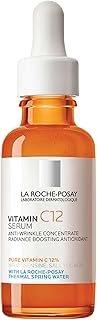
La Roche-Posay Pure 12% Vitamin C Serum
Check PriceWhy Correct Application Matters
Vitamin C, scientifically known as L-ascorbic acid, is notoriously unstable. When exposed to light, air, or the wrong pH environment, it oxidizes and loses its efficacy. More importantly, applying it at the wrong time or mixing it with conflicting ingredients can lead to redness and flaking. Mastering how to use vitamin C facial serum isn’t just about gliding a dropper over your face; it’s about understanding absorption, pH levels, and barrier protection. When used correctly, this potent antioxidant neutralizes free radicals, boosts collagen production, and inhibits melanin, effectively reversing sun damage and dullness.
The Ultimate Step-by-Step Guide on How to Use Vitamin C Facial Serum
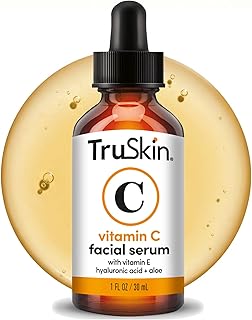
TruSkin Vitamin C Serum
Check PriceTo ensure you receive the maximum glow from your product, you must follow a specific protocol. The skin’s pH balance is delicate, and the molecular structure of vitamin C requires a clean, prepped canvas. Here is the definitive roadmap for integrating this powerhouse product into your daily regimen.
Step 1: Start with a Clean Slate (Cleansing)
Never apply a vitamin C serum to unwashed skin. Makeup, sebum, and environmental pollutants create a barrier that prevents penetration. Use a gentle, pH-balanced cleanser that doesn’t strip your moisture barrier. Harsh, high-pH soaps can disrupt the acid mantle, making the low pH of a vitamin C serum sting uncomfortably. Pat your skin dry completely with a clean towel. Damp skin increases permeability, which sounds good, but with potent actives like ascorbic acid, it can sometimes amplify irritation. A dry face ensures a controlled, even application.
Step 2: The Dry Skin Rule (Toner Wait Time)
If you use a hydrating toner or essence, apply it immediately after cleansing. However, here is a critical nuance in learning how to use vitamin C facial serum: you must let that toner completely absorb and dry down before moving to your serum. Vitamin C is water-soluble and prefers a low pH environment (below 3.5) to penetrate effectively. Applying it over soaking wet skin dilutes the formula and raises the pH, reducing its potency. Patience here is key; wait about 60 seconds until your face feels dry to the touch.
Step 3: Less is More (Dispensing)
A common mistake is slathering on too much product. You only need 3 to 5 drops for the entire face and neck. Pump the dropper onto your fingertips, not directly onto the face. Using your fingers gives you control and prevents the dropper from touching your skin (which may introduce bacteria into the bottle). Gentle pressure is all you need; rubbing your palms together first only wastes the product on your hands.
Step 4: The Press and Pat Technique (Application)
Ditch the aggressive rubbing. To properly use a vitamin C serum, distribute the liquid between your fingertips and press it into your skin using a gentle, upward tapping motion. Start from the center of the face moving outwards. This pressing technique minimizes friction and prevents the serum from pilling (balling up) on the skin’s surface. Don’t forget the under-eye area, as long as your serum is formulated to be gentle enough, the neck, and the backs of your hands, which show signs of aging just as quickly.
Step 5: The Golden Rule of Waiting
This is arguably the most skipped yet vital step. After applying your vitamin C, allow it to fully soak in for at least 90 seconds before applying your next product. Layering a moisturizer or sunscreen immediately can dilute the acidic pH, neutralizing the active ingredients and rendering them useless. You’ll know it’s ready when your skin doesn’t feel tacky or wet. Use this time to brush your teeth or apply body lotion. This small buffer is what separates mediocre results from a truly transformed complexion.
Step 6: Seal the Deal (Moisturizing)
Once the serum has settled, seal it in with a nourishing moisturizer. This traps the hydration and creates a protective barrier, reducing the risk of transepidermal water loss. Look for ceramides, squalane, or peptides in your moisturizer. These ingredients work synergistically with the antioxidant effects of vitamin C, bolstering the skin’s barrier while the serum works on brightening and firming below the surface.
AM vs. PM: When Should You Apply?
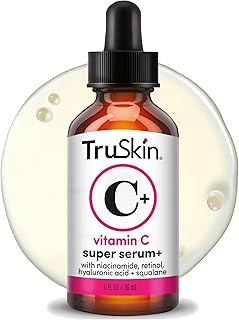
TruSkin Vitamin C Super Serum
Check PriceThe classic debate is whether to use vitamin C in the morning or at night. The short answer? Morning application is generally preferred. Vitamin C is a network antioxidant that works to shield your skin from daily aggressors like UV radiation and pollution. It doesn’t make you sun-sensitive; rather, it boosts your sunscreen’s protection. However, knowing how to use vitamin C facial serum at night can also be beneficial. If your daytime routine is already heavy, or you use exfoliating acids in the AM, save the vitamin C for your PM routine to repair damage while you sleep.
- Morning Routine Priority: Cleanser → Vitamin C Serum → Moisturizer → Sunscreen (SPF 30+). The antioxidant shield fights free radicals that slip past sunscreen.
- Nighttime Repair: If using at night, ensure you are not layering it directly with retinol or strong exfoliating acids to avoid irritation. Alternate nights or use vitamin C in the morning and retinol at night.
The Do’s and Don’ts of Layering
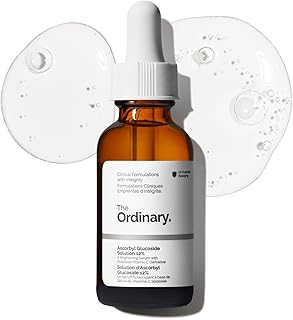
The Ordinary Ascorbyl Glucoside Solution 12%
Check PriceSkincare chemistry is delicate. Mixing the wrong actives can cause flushing, irritation, or cancel out the benefits entirely. If you’re researching how to use vitamin C facial serum safely, you must memorize these layering rules.
Ingredients You Can Pair With Vitamin C (Synergy)
- Vitamin E & Ferulic Acid: This golden trio is the most proven combination in dermatology. They double the photoprotection and improve the stability of vitamin C.
- Hyaluronic Acid: Since vitamin C can sometimes be drying, following it with hyaluronic acid ensures the skin stays plump and hydrated without disrupting pH balance.
- Sunscreen: This is non-negotiable. If you use vitamin C without SPF, you are treating the damage but not preventing it. These two are a power couple.
Ingredients to Avoid Mixing
- Benzoyl Peroxide: This acne-fighting ingredient oxidizes vitamin C immediately, turning it useless. If you must use both, apply benzoyl peroxide in a wash-off cleanser, or use vitamin C in the morning and benzoyl peroxide at night.
- Direct Acids (AHAs/BHAs): Glycolic and salicylic acids require a specific pH to work. Layering them with L-ascorbic acid can disrupt both, leading to significant irritation and redness. Use acids on alternate nights.
- Retinol (Simultaneously): While you can use both in a 24-hour cycle, layering them at the same time is a recipe for a compromised moisture barrier. Retinol requires a higher pH, making it a tricky partner for acidic vitamin C.
Choosing the Right Type of Vitamin C for Your Skin
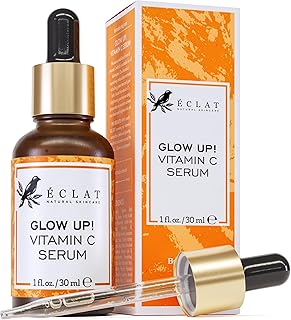
Eclat Skincare Vitamin C Serum
Check PriceNot all vitamin C serums are created equal. If you find your skin is perpetually irritated, the problem might not be how you’re using it, but what you’re using. Understanding the derivative can save your skin.
- L-Ascorbic Acid (LAA): The most researched and potent form. Water-soluble and highly acidic. Best for normal to oily skin, but can be irritating for sensitive types. Must be formulated in dark glass packaging to prevent oxidation.
- Sodium Ascorbyl Phosphate (SAP): A stable, gentle derivative ideal for acne-prone skin. It has antimicrobial properties and works at a neutral pH, making it less likely to sting.
- Magnesium Ascorbyl Phosphate (MAP): Excellent for dry or sensitive skin as it offers hydration benefits. It’s non-irritating and effective in lower concentrations.
- Ascorbyl Tetraisopalmitate: An oil-soluble, ultra-stable derivative that penetrates deep into the lipid layers. High cost, but excellent for dry skin and those looking to avoid water-based acidic formulas.
Beginner Tips for First-Time Users
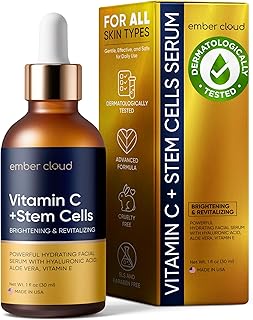
Ember Cloud Vitamin C Serum
Check PriceStarting a potent antioxidant regimen can be intimidating. Often, beginners get discouraged by a brief purging phase or slight tingling. Here is how to ease your skin into the process and avoid the dreaded oxidation panic.
- Patch Test First: Apply a tiny amount behind your ear or on your inner arm for 24 hours before applying it to your face. If you’re looking at advanced formulations, understanding ingredients helps; for instance, reading an in-depth breakdown of advanced serums can help identify potential allergens before you buy.
- Frequency Matters: Don’t dive into daily use. Start by using your serum every other morning for two weeks. This allows your skin’s barrier to adapt to the acidic environment.
- Watch the Color: Fresh vitamin C is usually clear or pale straw-colored. If it turns dark orange or deep brown, it has oxidized into erythrulose (essentially a self-tanner) and is no longer effective. Discard it immediately.
- Storage is Crucial: Store your bottle in a cool, dark, dry cabinet. While a skincare fridge is trendy, it isn’t strictly necessary unless your bathroom gets very steamy. Heat and steam accelerate degradation faster than anything else.
Common Mistakes to Avoid
Even seasoned skincare enthusiasts slip up. If you feel like your vitamin C isn’t producing results, check if you’re making one of these widespread errors. Correcting these is usually more effective than buying a more expensive product.
- Skipping Sunscreen: Using vitamin C without SPF is like trying to lose weight while eating cake daily. The sun degrades collagen faster than vitamin C can build it. This is especially vital for men who shave their faces, as freshly shaved skin has increased absorption; a look at how men’s skin absorbs different products shows why post-shave UV protection is critical.
- Using Expired Products: Most serums have an expiry of 3-6 months after opening. Keeping a product for six months or more is a gamble, as the active ingredient likely no longer functions.
- Mixing with Incompatible Textures: Don’t layer a dimethicone-heavy primer directly over the serum without waiting. Silicones can seal the acid in, forcing it deeper than intended and causing heat-like rashes.
Frequently Asked Questions (FAQ)
Can I use vitamin C serum every day?
Yes, ideally, you should work up to using it once daily in the morning or evening. Your skin may need a slower start, beginning every other day, to build tolerance to the acidity. Once the skin barrier adapts, daily use offers consistent protection.
Why does my face tingle after applying?
Mild tingling or vitamin C bite is normal for a few seconds, particularly with high-strength L-ascorbic acids. However, persistent burning, redness, or itching signals a broken moisture barrier or an allergic reaction; wash it off immediately and buffer it with a moisturizer next time.
How long does it take to see results?
You’ll typically notice an immediate glow due to hydration and light reflection. However, visible collagen synthesis and hyperpigmentation reduction require cellular turnover. For significant results on dark spots and firmness, wait 4 to 12 weeks of consistent use. If you’re targeting deeper wrinkles or severe sun damage, you might want to explore specialized reviews like this analysis of a pro-healing serum to compare efficacy.
Can men use vitamin C serum differently?
The molecular mechanism is the same, but application context differs. Men often have thicker dermis and facial hair. Applying the serum varies slightly; it must penetrate through hair follicles. For tailored advice, look into a guide on top-rated serums for men that work well with coarse facial hair. Always apply immediately after shaving to prevent razor burn, but wait a moment if your skin is sensitized.
Do I need to refrigerate my vitamin C serum?
Not necessarily. Most modern stabilizing technologies keep formulas fresh at room temperature (around 68-77°F / 20-25°C). The vital rule is to keep it away from direct sunlight and never store it in a humid bathroom cabinet. According to the American Academy of Dermatology, proper product storage is essential for maintaining ingredient stability and preventing bacterial growth.
Conclusion: Making the Glow Last
Understanding how to use vitamin C facial serum transforms it from a vanity purchase into a legitimate skincare investment. The magic lies not just in the dropper, but in the discipline: waiting for dry skin, pressing instead of rubbing, and sealing in the serum with the right companions.
By avoiding the common pitfalls of mixing antagonistic ingredients and refusing to skip sunscreen, you pave the way for lasting collagen health and a clear, even complexion. Start slow, stay consistent, and respect the instability of the formula. Once you master this routine, that elusive glass skin look stops being an aspiration and becomes your daily reality.
Disclaimer: Skincare results vary by individual. Always patch test new products and consult a dermatologist if you have specific skin concerns or conditions.