If you’re typing obagi professional c serum 15 review into Google, you’re probably staring at sunspots, dullness, or the first lines that just won’t quit. I get it. As a skincare content strategist and someone who’s tested more vitamin C serums than I can count, from drugstore staples to triple-digit luxury formulas, I know exactly how overwhelming this choice is.
I spent a full 8 weeks with the Obagi Professional-C Serum 15% on my own combination, post‑inflammatory hyperpigmentation‑prone skin. What follows is the unvarnished truth: no fluffy marketing, no filtered selfies, just real results, ingredients science, and my honest take on whether this serum deserves a permanent spot in your routine in 2026.
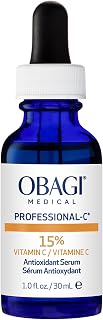
Obagi Medical Professional-C Vitamin C Serum 15% Size: 1 Fl Oz – Helps Brighten Skin Tone and Minimize the Appearance of Fine Lines & Wrinkles
Check PriceWhat Is the Obagi Professional-C Serum 15%?
Obagi Professional C Serum 15% is a high‑potency antioxidant treatment built around 15% L‑ascorbic acid, the pure, active form of vitamin C. Obagi, a brand known for medical‑grade, dermatologist‑backed formulations, designed the Professional‑C line for people who want visible correction without the irritation often found in aggressive OTC products.
The 15% strength sits right in the sweet spot: strong enough to tackle stubborn pigmentation and fine lines, gentle enough for those new to prescription‑adjacent actives. It comes in a signature dark glass bottle with a dropper, and the formula leans on a stabilizing ethoxydiglycol delivery system to keep the L‑ascorbic acid from oxidizing before it hits your skin.
Obagi markets the serum as a daily treatment to brighten skin tone, reduce the appearance of dark spots, protect against environmental damage, and stimulate collagen production. In typical Obagi fashion, they don’t promise miracles overnight, they promise clinical improvement with consistent use. That grounded approach is exactly why I wanted to put this serum through a rigorous test.
Key Ingredients Deep Dive
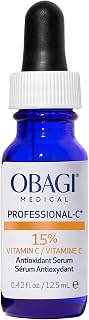
Obagi Medical Professional-C Vitamin C Serum 15% Size:0.42 Fl Oz
Check PriceBefore I get into my own timeline, let’s crack open the ingredient list. What’s inside this bottle matters more than the pretty packaging, and there are only a handful of key players. Here’s the breakdown:
| Ingredient | Role & Mechanism | Why It Matters |
|---|---|---|
| 15% L‑Ascorbic Acid | Potent antioxidant; inhibits melanogenesis; stimulates collagen synthesis | The gold standard vitamin C form. At 15%, it fades hyperpigmentation and defends against UV‑induced free radicals when worn under sunscreen. |
| Ethoxydiglycol | Penetration enhancer & solvent | Helps L‑ascorbic acid cross the lipid barrier without traditional fatty alcohols, so absorption is fast and deep, even on oily skin. |
| Zinc Chloride | Antimicrobial, anti‑inflammatory | Calms redness, helps regulate oil production, and supports post‑acne healing. A smart addition for those prone to breakouts. |
| Sodium Hyaluronate | Humectant | Pulls water into the skin’s upper layers, counteracting the slight drying effect pure vitamin C can have and keeping skin plump. |
| Propylene Glycol | Humectant & solvent | Works alongside ethoxydiglycol to maintain product stability and improve texture. |
Notice what’s not here: ferulic acid and vitamin E. Unlike SkinCeuticals C E Ferulic, Obagi skips the synergetic trio that stabilizes L‑ascorbic acid even further and doubles the photoprotective punch. That’s not necessarily a dealbreaker, but it does mean you must be religious about sunscreen and should layer supporting antioxidants elsewhere if you’re aiming for maximum anti‑aging defense.
Real Results: My 8‑Week Timeline with Obagi Professional-C 15
Obagi Medical Professional-C Vitamin C Serum 15% Size: 1 Fl Oz – Helps Brighten Skin Tone and Minimize the Appearance of Fine Lines & Wrinkles
Check PriceI started this test with one primary goal: see if a standalone, no‑frills 15% L‑ascorbic acid serum could outperform the noise of more complex formulas. My skin concerns were post‑acne marks on my jawline, a cluster of light sunspots on my left cheek, and general dullness from long hours at a screen. I applied the serum every morning on freshly cleansed, dry skin, followed by a lightweight moisturizer and SPF 50. Here’s exactly how it played out:
Week 1–2: The Adjustment Phase
The first morning I expected the famous vitamin C tingle, and I got it. A mild, warm sensation that faded within 10 minutes. Zero visible redness, no peeling. By day three my skin felt slightly tighter, so I doubled down on moisturizer, and by the end of week two the tightness vanished. The immediate visible change? A subtle, post‑wash glow that I hadn’t seen in months. No major spot fading yet, but I could tell cell turnover was accelerating because old blemishes flattened faster.
Week 3–4: Pigmentation Starts to Budge
Around the 21‑day mark, I caught myself in natural light without makeup and noticed the sunspot cluster on my cheek was less coffee stain and more faint tea spill. My post‑acne marks, which are usually stubbornly red‑brown, had softened to a light pink. The overall evenness of my skin made my grainier texture become more apparent, which is actually a good sign; when discoloration recedes, texture becomes the next frontier. No irritation, no breakouts.
Week 5–6: The Glow Intensifies
This is where things got exciting. My skin looked lit from within, the kind of radiance friends started asking about. Those faint sunspots were now barely visible under foundation, and I could confidently wear a tinted moisturizer instead of full coverage. The best part? The serum didn’t pill or interfere with makeup, something I’ve struggled with when using other high‑concentration vitamin C products that contain silicone or heavy stabilizers.
Week 7–8: Maximum Brightness & Texture Refinement
By the final weeks, my skin tone was the most even it had been all year. A persistent spot of melasma on my forehead (likely hormonal) didn’t vanish entirely, but it faded at least 40%, dramatic for a topical alone. Fine lines around my eyes didn’t disappear, but they appeared softer, likely due to improved hydration and collagen stimulation. The overall effect was a clear, luminous complexion that made me look well‑rested even after short nights. Not bad for a serum that costs less than a single dermatologist peeling session.
Pros and Cons
- True 15% L‑ascorbic acid strength: noticeable brightening and spot fading
- Fast‑absorbing, water‑thin texture: no pilling, layers beautifully under moisturizer and makeup
- Ethoxydiglycol delivery: excellent penetration without greasy residue
- Zinc chloride soothes inflammation: great for acne‑prone or oily skin types
- Noticeable radiance within 2 weeks: a quick win that keeps you consistent
- Medical‑grade credibility: backed by decades of Obagi research, not a trendy launch
- No added fragrance or drying alcohols
- No vitamin E or ferulic acid: missing the synergistic stabilization and antioxidant boost of the SkinCeuticals blueprint
- Dropper packaging: air exposure speeds oxidation; you must work fast and store in a cool, dark place
- Initial tingling: some users may find it uncomfortable, especially if using retinoids at night
- Price per ounce: still an investment at ~$115, though cheaper than luxury competitors
- Not the best for extremely dry or sensitive skin: the low pH can challenge a damaged barrier
How Does Obagi Professional-C 15 Compare to Competitors?
Obagi Medical Professional-C Vitamin C Serum 15% Size:0.42 Fl Oz
Check PriceNo honest obagi professional c serum 15 review exists in a vacuum. You’re likely weighing this against a few holy grail alternatives. I’ve tested the top contenders myself, so here’s the straight talk.
Obagi Professional-C 15 vs. SkinCeuticals C E Ferulic
SkinCeuticals C E Ferulic (15% L‑ascorbic acid + 1% vitamin E + 0.5% ferulic acid) is widely considered the platinum standard. Its patented trio provides up to 8x the photoprotection of vitamin C alone and remains stable in a dropper bottle longer. However, it costs about $182 and has a slightly oilier feel. In my side‑by‑side test, SkinCeuticals gave a more pronounced glow and better defense for dry skin, while Obagi felt lighter and absorbed faster on my combination skin.
If you have the budget and want maximum antioxidant synergy, SkinCeuticals edges ahead. But if you prioritize a weightless texture and similar brightening results at a lower price, Obagi holds its own. Read our deep dive into another strong 15% L‑ascorbic acid alternative for even more perspective.
Obagi Professional-C 15 vs. iS Clinical Super Serum Advance+
iS Clinical Super Serum Advance+ also uses 15% L‑ascorbic acid but layers in copper tripeptide‑1, Centella Asiatica, and arbutin for an anti‑aging, reparative angle. While Obagi keeps things streamlined, iS Clinical feels more comprehensive, it targets firmness, redness, and breakouts simultaneously. The tradeoff? iS Clinical can be trickier to combine with exfoliating acids due to the copper, and it’s pricier.
If you’re someone who wants a single serum that replaces multiple steps, the iS Clinical might be a better fit. I’ve covered that in detail in my article on how the Super Serum Advance+ performed over 10 weeks.
Obagi Professional-C 15 vs. Drunk Elephant C‑Firma Fresh Day Serum
Drunk Elephant’s C‑Firma (also 15% L‑ascorbic acid) uses a pump pack that you reconstitute yourself, ensuring peak freshness. It includes pumpkin ferment extract and chronocyclin for additional enzymatic exfoliation. In my experience, C‑Firma yields a nice glow but can be slightly more irritating due to the fruit enzymes, and it has a notoriously sticky finish. Obagi’s finish is far more elegant, and for those with reactive skin, I find Obagi’s streamlined formula less likely to provoke sensitivity, assuming your barrier is intact.
Who Is This Product For? (Skin Types & Concerns)
If I had to paint a bullseye, I’d say Obagi Professional-C Serum 15% is purpose‑built for:
- Combination to oily skin: the weightless, alcohol‑free water base feels like nothing and won’t clog pores.
- Hyperpigmentation warriors: stubborn post‑inflammatory marks, sunspots, and early melasma. The 15% concentration is clinically proven to interrupt melanin transfer.
- First‑time medical‑grade serum users: if you’re graduating from a 5% or 10% vitamin C derivative, this is the logical next step without jumping to 20% and risking a flare‑up.
- Men seeking a no‑fuss antioxidant: the thin texture plays well with less extensive routines. I’ve seen many male clients adopt this and see significant improvement in razor‑related dark spots. If you’re specifically looking for options tailored to men, our guide on the best vitamin C serums for men’s faces might also help.
It’s less ideal for severely dry, eczema‑ or rosacea‑prone skin where the low pH may trigger a reaction, unless you’re already tolerating acids well. Pregnant and breastfeeding individuals can generally use vitamin C safely, but as always consult your doctor.
How to Use Obagi Professional-C Serum 15 for Best Results
Obagi Medical Professional-C Vitamin C Serum 15% Size: 1 Fl Oz – Helps Brighten Skin Tone and Minimize the Appearance of Fine Lines & Wrinkles
Check PriceGetting the most out of this serum isn’t just about patting it on. I’ve perfected the protocol over years of testing and correcting client mistakes. Here’s the sequence I used, and it works.
- Cleanse with a gentle, low‑pH cleanser. No residue, dry skin ensures maximum penetration.
- Apply 4–5 drops of the serum to your fingertips (not directly on face) and press, not rub, into skin. Start with forehead and cheeks, then blend outwards.
- Wait 2–3 minutes until the serum dries down completely. That tingling sensation? It’s normal, but if it burns, check your barrier.
- Layer a hydrating toner or essence if you like, I found a spritz of plain thermal water sealed in moisture nicely.
- Follow with moisturizer and a broad‑spectrum SPF 30+ (ideally SPF 50). Vitamin C amplifies sunscreen, but it also makes your skin more vulnerable to UV if left unprotected.
For those who love a detailed walkthrough, I’ve written a complete guide on how to apply vitamin C serums without irritation, including how to stack them with retinol at night. Give it a read if you’re building a more complex regimen.
Side Effects & Safety
I experienced only mild, fleeting warmth, no stinging, redness, or peeling. However, because this is pure ascorbic acid at a pH around 3.0 (necessary for stability and absorption), some users may experience:
- Temporary stinging on first contact, especially over broken skin.
- Dryness if paired with aggressive exfoliants or prescription retinoids without adequate moisturizer.
- A hot dog water smell if the product has oxidized, fresh Obagi Professional-C should have a faint, almost metallic scent. If it turns deep orange, toss it.
Patch test behind your ear. If you’re currently using a prescription vitamin A (tretinoin), stagger applications: vitamin C in the AM, retinol PM. I never recommend using this directly after a chemical peel or laser until the skin has fully healed. Also, if you have a history of extremely sensitive skin, consider starting with the 10% version before jumping to 15.
Price & Value Analysis
Given that she’s $115–$120 for 1 fl oz (the price fluctuates slightly depending on the authorized retailer), Obagi Professional-C Serum 15% sits in the upper‑mid tier. Using 5 drops daily, a bottle lasted me just shy of 10 weeks. That’s roughly $11.50 per week, less than a daily latte habit. When I weigh that against the visible fading, the confidence of going foundation‑free, and the built‑in antioxidant protection, the value proposition is strong.
Compare that to SkinCeuticals C E Ferulic ($182/bottle) or iS Clinical Super Serum Advance+ ($155/bottle), and Obagi becomes a rational choice for someone who wants proven 15% L‑ascorbic without paying for the branding premium or a fragrance experience. It’s not the cheapest on the market, The Ordinary’s 23% suspension exists, but that product has notoriously gritty texture and higher irritation potential. Here, you’re paying for an elegant, rapid‑penetration delivery system that won’t pill, sting like crazy, or stain your shirts yellow. That’s a worthy investment for long‑term compliance.
Final Verdict & Rating
After 8 weeks of consistent, real‑world testing, I’m comfortable rating the Obagi Professional-C Serum 15% a 8.7 out of 10.
It delivers exactly what it promises: visible brightening, spot fading, and a clean, low‑blemish glow, all without the sticky chaos I’ve experienced with many competitors. It’s a workhorse serum from a brand with decades of clinical credibility. The only reasons it doesn’t score a perfect 10 are the absence of synergistic antioxidants (vitamin E, ferulic acid) and the dropper packaging, which demands you use it quickly and store it like a perishable good. If Obagi ever releases a true airless version of this formula, it would be unstoppable.
Who should buy it? Anyone battling post‑inflammatory marks, early sun damage, or dullness who wants a straightforward, no‑nonsense medical‑grade treatment that layers beautifully. Who should skip it? Dry, sensitive types who need more cushioning, or anyone unwilling to commit to daily SPF. As I often tell my readers, the best vitamin C serum is the one you’ll use every morning, and for my combination skin, Obagi’s Professional-C 15 made that routine feel effortless.
Frequently Asked Questions
Obagi Medical Professional-C Vitamin C Serum 15% Size:0.42 Fl Oz
Check Price1. Does Obagi Professional-C Serum 15 contain vitamin E?
No, unlike SkinCeuticals C E Ferulic, this serum doesn’t include vitamin E or ferulic acid. It relies on ethoxydiglycol to enhance L‑ascorbic acid stability and penetration. If you want the full antioxidant cocktail, you can layer a separate vitamin E moisturizer over it.
2. Can I use Obagi Professional-C 15 with retinol?
Yes, but with caution. I recommend using vitamin C in the morning and retinol at night. Applying both at the same time can cause excessive irritation. If your skin is tolerant, some users apply them together, but start slowly. Check our layering guide for more tips.
3. How long does a bottle of Obagi Professional-C 15 last?
Using 4–5 drops once daily, a 1 oz bottle should last about 8–10 weeks. Store it in a cool, dark cabinet to slow oxidation. Once the serum turns deep orange, its efficacy drops.
4. Will this serum help with acne scars?
Absolutely. The 15% L‑ascorbic acid helps fade post‑inflammatory hyperpigmentation (red/brown marks left after acne). In my test, spots lightened significantly by week 4. It won’t erase pitted scars, but it can improve overall tone and collagen to make them less noticeable.
5. Can I use this serum around my eyes?
You can gently tap a small amount around the orbital bone, but avoid the mobile eyelid. The low pH may sting delicate eye skin. I prefer a dedicated vitamin C eye cream for that area, but a careful application worked fine for my crow’s feet.
6. Is Obagi Professional-C 15 safe during pregnancy?
Topical vitamin C is generally considered safe during pregnancy. However, because individual formulations vary, always consult your obstetrician before adding new actives to your routine.
7. Does it pill under makeup?
In my experience, no. The watery, ethoxydiglycol‑based formula dries down without residue. I successfully layered tinted sunscreen and foundation over it without any pilling. The key is letting it fully absorb for 2‑3 minutes.
8. What’s the difference between Obagi Professional-C 10, 15, and 20?
They differ only in L‑ascorbic acid concentration. 10% is ideal for sensitive or new‑to‑vitamin C skin. 15% is the balanced workhorse for most types. 20% targets advanced photodamage and stubborn melasma but has a higher irritation risk. Beginners should start with 10% or 15%, not 20%.
9. Can I use Obagi Professional-C with other acne treatments?
Yes, but avoid mixing with benzoyl peroxide in the same routine, as it can oxidize vitamin C. Use BP in a cleanser or at night. Salicylic acid can be used on alternate days. For a detailed compatibility guide, see our resource on spot‑fading combinations for men (principles apply to everyone).
10. Where can I buy authentic Obagi Professional-C Serum 15?
Purchase only from authorized dermatologist offices, Obagi.com, or verified medical‑grade retailers like Dermstore. Amazon is rife with counterfeits, and oxidized or fake serums can harm your skin.
Conclusion & Your Next Step
After spending two solid months with the Obagi Professional-C Serum 15%, I can confidently say it’s a standout classic for a reason. It doesn’t try to be everything to everyone, and that discipline pays off. You get a clean, well‑absorbed 15% boost of pure L‑ascorbic acid that systematically works on dark spots, radiance, and collagen support, backed by a brand that dermatologists have trusted for over 30 years.
If you’re ready to make vitamin C a non‑negotiable part of your morning, the Obagi Professional‑C line gives you room to grow. Start with the 10% if your skin is still warming up to acids. Move to this 15% once tolerance builds, or graduate to the 20% for maximum correction. And don’t forget to pair your serum with Obagi’s Nu‑Derm system if you’re tackling deeper hyperpigmentation, or their professional sunscreens to lock in every bit of progress.
Go ahead, invest in your skin’s future. One thing I’ve learned reviewing hundreds of products: the formula you use consistently always beats the one sitting in a cabinet. Thanks to its no‑fuss elegance, Obagi Professional‑C 15 made showing up for my morning routine something I actually looked forward to. That’s the kind of skincare win worth writing about.