
You look in the mirror after a long weekend or a stressful month, and the reflection feels… inconsistent. The cheekbones might glisten, but the forehead looks dull, and there is a faint shadow of an old blemish hanging around the jawline. It is not full-blown hyperpigmentation, but it is not the smooth, uniform canvas you want.
Learning how to even out skin tone on face is not just about covering up flaws; it is about restoring the natural rhythm of your skin so it reflects light evenly and looks healthy. The good news is that modern skincare science, combined with a few lifestyle adjustments, makes this goal entirely achievable without expensive laser treatments tomorrow.
But here is the catch: the internet is filled with quick fixes that often ruin your moisture barrier. You might be tempted to throw every acid at your face, only to end up with inflammation that makes the uneven tone worse. We are going to walk through a strategic, layered approach that respects your skin’s biology.
Whether you are dealing with sun damage, post-acne marks, or hormonal melasma, this guide breaks down the exact ingredients, routines, and professional treatments that actually work. And we will connect the dots between the products you use and the internal links to deeper reviews that can help you choose the right tool for the job.
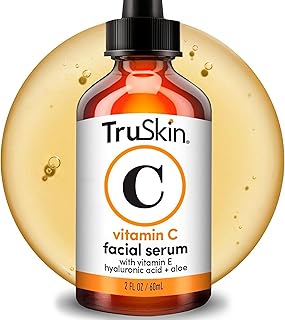
TruSkin Vitamin C Serum for Face
Check PriceUnderstanding the Biology of Uneven Skin Tone
Before we fix the problem, we need to name it correctly. As a skincare writer, I often see pigmentation and uneven tone used interchangeably, but the biology matters. Uneven skin tone is a broad umbrella covering three distinct, but often overlapping, conditions: hyperpigmentation (dark spots), erythema (redness), and sallowness (a dull, yellow-gray cast).
The Melanocyte Overdrive
The most common culprit is the melanocyte cell. When triggered by UV rays, hormones, or inflammation, these cells dump melanin pigment into the surrounding skin cells. Think of it as an ink spill. In a perfect world, the pigment distributes evenly (a tan), but when the skin is in a state of trauma, pigment gets packed into clusters, creating visible dark patches.
This is why you cannot simply scrub these cells off; the factory is in the dermis, and the pigment has been distributed to the epidermis. A proper approach must signal the melanocyte to stop overproducing while sloughing off the top layer of already-damaged cells.
The Texture-Tone Connection
We cannot ignore texture. Rough, dead skin cells scatter light. When you have a buildup of keratinocytes, light hits the face and bounces off at chaotic angles, creating the appearance of shadows or ghosting. This is why exfoliation instantly makes the face look brighter. You are not actually changing the pigment; you are smoothing the surface so light reflects in a straight line. A truly successful routine for evening out skin tone targets both the optical scattering (texture) and the biological pigment (color).
The Non-Negotiable Daily Routine for a Brighter Canvas
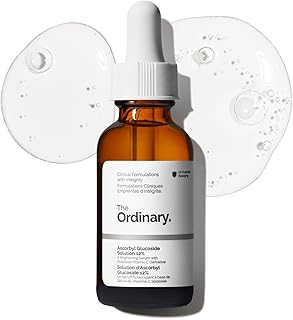
The Ordinary Ascorbyl Glucoside Solution 12%
Check PriceIf you skip this foundational layer, serums will not work. The skin’s circadian rhythm dictates repair at night and defense during the day. To even out skin tone, you must divide your strategy into a strict AM and PM split. This is not just marketing fluff; it is how skin biology functions.
Morning Defense: Stability and Protection
Your morning goal is singular: stop the triggers. UV exposure is responsible for 80% of visible aging and pigmentation clumping. However, a simple SPF 30 is often not enough for fading existing spots. You need pigment-minded sun protection that includes Iron Oxides (often found in tinted mineral sunscreens) to block Visible Light (VL), which studies show is particularly aggressive at worsening hyperpigmentation in darker skin tones.
- Gentle Cleanse: Rinse with water or a milky cleanser. Over-washing in the AM inflames the skin.
- Antioxidant Serum (Vitamin C): L-Ascorbic Acid is the gold standard. It sits in the skin reservoir for up to 72 hours, creating a shield against UV-generated free radicals. It also doubles as a tyrosinase inhibitor, slowing down the enzyme that creates pigment. If you need a deep dive on finding the right formula, you can explore our breakdown of the best vitamin C serums for the face.
- Moisturizer with Niacinamide: A lightweight lotion containing 5% Niacinamide blocks the transfer of melanin to skin cells. It is the traffic cop of pigmentation.
- Broad-Spectrum SPF 50+ (Tinted): Reapply every 2 hours if outdoors.
Evening Correction: Turnover and Repair
Nighttime is when the acid mantle repairs itself and skin temperature rises, allowing for deeper penetration of actives. This is your correction phase. You will cycle between exfoliation and cell-communicating ingredients to avoid a broken barrier.
- Double Cleanse: An oil-based cleanser removes iron oxides from tinted sunscreen, then a water-based cleanser clears sweat.
- Treatment (Rotate Daily): Do not mix acids on the same night.
- Night A (Exfoliation): Alpha Hydroxy Acids (AHAs) like Glycolic or Lactic Acid. Lactic acid has a larger molecule size, making it gentler for darker skin tones that fear irritation-induced hyperpigmentation. This dissolves the glue holding dull cells together.
- Night B (Pigment Correction): A serum containing Tranexamic Acid, Kojic Acid, or a Retinoid. Retinoids speed up cellular turnover to push out old pigment. Our detailed review of the best serum for uneven skin tone highlights the advanced formulas that combine these brighteners with active delivery systems, which is crucial for seeing results within weeks.
- Night C (Recovery): Just hydration and peptides. No acids. No retinoids.
- Barrier Cream: Ceramides to seal the reparative work overnight.
Dermatological Power Players: Ingredients That Rewrite the Code
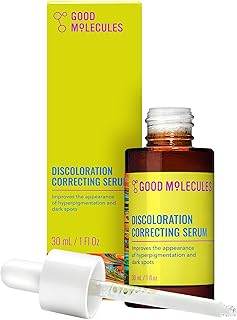
Good Molecules Discoloration Correcting Serum
Check PriceCosmeceutical shelves are crowded. To master how to even out skin tone on face, you need to understand the mechanism of action so you can pick the right tool for red marks versus brown marks. Let’s break this down by the type of discoloration you see.
For Brown Spots (Post-Inflammatory & Sun Damage)
- Tranexamic Acid: This is an injectable turned topical hero. It stops the messaging between UV rays/inflammation and the melanocyte. It is particularly brilliant for melasma and resistant cheek spots.
- Alpha Arbutin: A naturally derived hydroquinone alternative. It does not bleach the skin; it just reduces the enzyme activity. It is safe for daily use and works well in water-based serums.
- Kojic Acid: Derived from mushrooms. Very potent but can be sensitizing. Works best in synergy with other brighteners at lower percentages.
For Red and Purple Marks (Post-Acne Erythema)
This is vascular, not pigmentary. If you press a glass on the mark and it blanches white, it is blood vessels trying to heal. Tyrosinase inhibitors will do nothing here. You need anti-inflammatory and vascular repair agents.
- Azelaic Acid: A yeast-derived dicarboxylic acid. It is a triple threat: it kills acne bacteria, calms redness, and gently fades pigment. This is the gold standard for rosacea and post-pimple redness.
- Centella Asiatica (Cica): This plant extract strengthens the blood vessel walls, preventing them from persistently leaking into the skin. Look for serums like the iS Clinical Pro-Heal, which combines Vitamin C with calming botanical actives. You can check our in-depth review of the iS Clinical Pro-Heal serum to see how it handles this specific red tone issue.
- Niacinamide (Again): 4-5% concentrations reduce the redness bridge by inhibiting inflammatory cytokines.
Lifestyle Adjustments That Drugs and Creams Cannot Fix
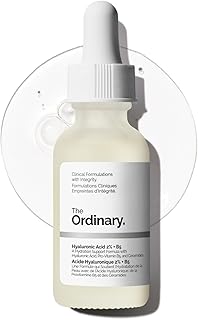
The Ordinary Hyaluronic Acid 2% + B5
Check PriceI have seen people spend a fortune on serums while ignoring the 16 other hours of the day where they are undoing their skincare. Your skin tone is a reflection of your systemic health.
Glycation and the Yellow Tone
If your tone looks sallow or brassy, you might be battling glycation. Sugar molecules in the bloodstream bind to collagen proteins, hardening them and turning them into Advanced Glycation End-products (AGEs).
These AGEs are biologically yellow-brown. You cannot exfoliate this away; it is in the structural mesh of the dermis. Reducing processed sugar and high-glycemic foods is essential. Pair this with a diet rich in glutathione-boosting foods (spinach, avocados) to internally brighten the skin.
The concept of using a brightening serum externally while ingesting sulfur-rich vegetables is a powerful one-two punch for glow. To understand how external serums facilitate this, you might want to read about how skin brightening serums work on a cellular level.
Sleep and Cortisol Management
High cortisol levels from sleep deprivation break down the skin’s barrier. A leaky barrier allows pollutants in, which triggers a low-grade inflammation cascade called inflammaging. This creates a patchy, uneven complexion because blood flow stagnates in the face. Prioritizing 7-8 hours of quality sleep directly regulates the hormone cortisol and allows human growth hormone to repair skin evenly.
The Friction Factor
Be honest with yourself about physical exfoliation. Using gritty walnut scrubs or rough cleansing brushes causes micro-tears. In darker skin tones (Fitzpatrick IV-VI), these micro-tears trigger post-inflammatory hyperpigmentation around the hairline, leading to a shadow edge around the face. Switch to enzymatic exfoliants (pineapple or papaya enzymes) or gentle chemical acids. Do not rub your face aggressively with a towel; pat dry.
Building a 4-Week Reset Program
Discipline is more effective than a cluttered shelf. If you are starting from scratch with a congested, multicolored complexion, here is the weekly cadence that dermatologists generally recommend. This is your practical, actionable timeline for how to even out skin tone on face.
Week 1: De-Inflammation
Do not touch acids yet. Focus on repairing the barrier. Use a niacinamide-rich moisturizer and a mineral SPF. Introduce a Cica or Azelaic acid product to calm the background static.
Week 2: Start the Signal
Introduce L-Ascorbic Acid in the AM. Ensure it is a stable formula (water-based, low pH). In the PM, start using a low-percentage Lactic Acid (5%) twice a week.
Week 3: The Pigment Blocker
Now that the skin is rotating cells, add a targeted pigment corrector like Alpha Arbutin or a serum with Tranexamic Acid on the nights you do not exfoliate. This is the phase where you should be using a dedicated brightening treatment like the best vitamin C for hyperpigmentation, which often layers additional tyrosinase inhibitors for a synergistic effect.
Week 4: Retinoid Introduction
If your skin is tolerating the routine, introduce a low-strength Retinaldehyde or Adapalene (over-the-counter) once a week. This is the long-term game changer that remodels the epidermis and pushes out deep pigment nests. Do not use it on the same night as AHAs.
Common Mistakes That Perpetuate Blotchiness
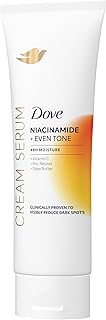
Dove Body Cream Serum Niacinamide + Even Tone
Check PriceEven smart consumers fall into these traps. I want you to avoid them because fixing a damaged barrier sets you back weeks.
- Spot Treating with Bleach Creams: Using concentrated hydroquinone dots only on dark spots creates a halo effect where the spot lightens but the surrounding skin becomes dark in contrast. You must treat the entire cosmetic unit.
- Ignoring the Neck and Ears: The face will look artificially uniform while the neck stays splotchy. Always take your brightening serums down to the chest.
- Applying Oils Before Actives: Heavy facial oils are occlusive. They block the penetration of water-based Vitamin C and AHAs. Actives always go on clean, dry skin first.
- Skipping Trial Sizes: Buying a full-size strong glycolic peel without patch testing can cause a chemical burn that leaves a dark scar for months.
When Home Care Needs Professional Support
Topical skincare can clear about 70% of the problem. For dermal melasma or very deep sun freckling, you need a professional. Combining your rigorous home routine with in-office treatments speeds results.
Chemical Peels vs. Lasers
For diffuse uneven tone, a series of superficial peels (like a 30% Glycolic or a low-concentration TCA) can lift the entire facial layer uniformly. Lasers, particularly Pico lasers, use photoacoustic energy to shatter the pigment particle without heating the surrounding tissue, making them safer for darker skin types. However, if you do not wear SPF religiously after a laser session, you will get post-inflammatory hyperpigmentation that is worse than the original spot. The American Academy of Dermatology stresses that sun protection is non-negotiable during the recovery period.
Mindset Shifts for Long-Term Maintenance
Skin cycling is not a daily, frantic battle. Even-toned skin is a long-term, cellular metabolism. You are not bleaching; you are normalizing. The goal is not porcelain, inorganic white. The goal is a skin tone that reflects light evenly so the high points of your face (cheekbones, bridge of the nose) glow naturally without a highlighter. Understand that as you age, the cell turnover cycle slows from 28 days to roughly 40-50 days. This means a spot that took 3 weeks to fade in your 20s might take 6 weeks in your 40s. Patience and consistency are the real active ingredients.
Frequently Asked Questions About Evening Out Skin Tone
How long does it actually take to even out skin tone?
The skin’s epidermal turnover cycle is roughly 28 days. For fresh post-acne marks, you might see fading within 2-4 weeks. For deep hormonal melasma or years-old sun spots, you are looking at 12-16 weeks of consistent, daily treatment. The pigment pack sits deep, and it takes multiple cell cycles to push it to the surface. You cannot speed up the biological clock; you can only support the cycle.
Can I use Vitamin C with retinol at night?
You can, but it is not optimal. Vitamin C (L-Ascorbic Acid) works best in an acidic environment (low pH), while retinoids prefer a more neutral pH. They can cancel each other out or increase irritation. The best practice is Vitamin C in the morning (it boosts your SPF) and Retinoid at night. If you have to use both at night, layer a vitamin C derivative like Tetrahexyldecyl Ascorbate, which breaks down more gently.
Why is my face darker than my body even with no sun?
This is often low-grade chronic inflammation in the face. The face has more blood vessels and more sebaceous glands. Even without sun, friction from pillowcases, phones, or aggressive cleansing triggers a protective melanin response. Also, blue light from screens can specifically flicker melanogenesis in the face, as the face is the closest to the device.
Does drinking water actually help with skin tone?
Water intake keeps the dermal layers plump and supports lymphatic drainage, which clears waste products that can cause a gray cast. However, water does not directly change melanin production. Dehydrated skin looks dull because the surface cells are crinkled and refract light poorly, mimicking uneven tone. So, yes, hydration is a surface-level visual enhancer, but it is not a pigment corrector.
What is the safest ingredient for dark skin prone to scarring?
Tranexamic acid and Azelaic acid are generally the safest, alongside low-strength Lactic Acid. Avoid high-concentration hydroquinone and strong lasers without a board-certified dermatologist who specializes in ethnic skin, as these can trigger permanent hypopigmentation (white spots).
Conclusion
Mastering how to even out skin tone on face is a combination of protecting the melanocyte from inflammation, sloughing off the old, damaged surface layers, and feeding the skin the nutrients it needs to stop the pigment factory in its tracks.
You do not need a 12-step routine; you need a 4-step routine in the morning and a 3-step rotating routine at night with powerful, targeted ingredients. Start with a tinted mineral SPF, an L-Ascorbic Acid serum, a niacinamide moisturizer, and a respectful exfoliation schedule. Be consistent for 90 days. Your skin will not just look lighter; it will look calibrated. It will look like you, just on a very good day.
Disclaimer: This review is based on my personal experience and expert observations. Skincare results vary by individual. Always patch test new products and consult a dermatologist if you have specific skin concerns or conditions.