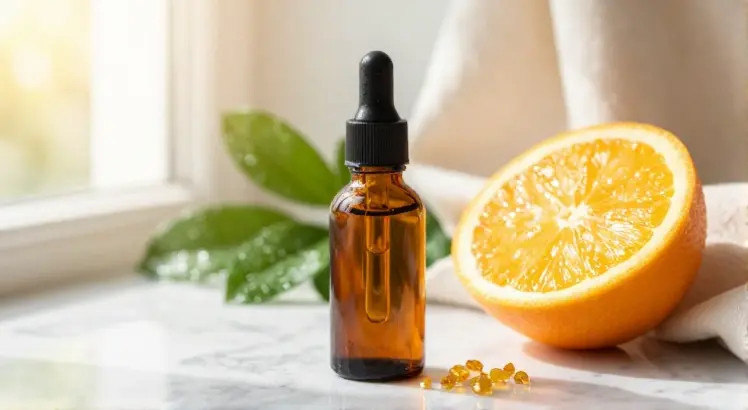
If you are tired of stubborn dark patches on your skin, you have probably asked yourself, can vitamin C remove hyperpigmentation? The short answer is yes, vitamin C can significantly fade many types of hyperpigmentation, but full removal depends on the depth of pigment and how consistently you use it. This dermatologist-backed guide explains exactly how vitamin C works on brown spots, which forms of hyperpigmentation it treats best, and the right way to add this powerhouse antioxidant to your routine for visible, lasting results.
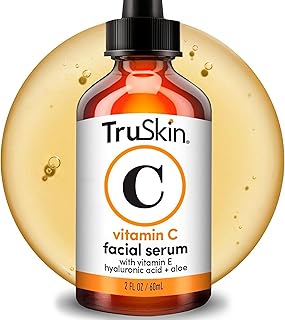
TruSkin Vitamin C Serum for Face
Check PriceHow Vitamin C Works on Hyperpigmentation
To understand why vitamin C is a gold-standard ingredient for uneven skin tone, you need to look at how pigment forms. Hyperpigmentation happens when melanocytes (your pigment-producing cells) churn out too much melanin, usually triggered by sun exposure, inflammation, or hormonal shifts. Vitamin C interrupts this process at several points.
Tyrosinase Inhibition: Blocking Pigment Production
The enzyme tyrosinase is a key player in melanin synthesis. Vitamin C, particularly in its pure form (L-ascorbic acid), acts as a natural tyrosinase inhibitor. By reducing the activity of this enzyme, it helps prevent new pigment from forming in the first place. This makes vitamin C serums an excellent preventive tool for future dark spots, not just a fix for existing ones.
Powerful Antioxidant Protection
Sun damage is the number one cause of hyperpigmentation. Ultraviolet (UV) rays generate free radicals that signal melanocytes to overproduce melanin. Vitamin C neutralizes these free radicals before they can trigger that cascade. According to research published in the Journal of Clinical and Aesthetic Dermatology, topical vitamin C provides photoprotection and works synergistically with sunscreen to reduce UV-induced pigmentation. Pairing your vitamin C product with a broad-spectrum SPF is one of the most effective ways to stop dark spots from deepening.
Skin Brightening Through Exfoliation and Renewal
While vitamin C is not a direct exfoliant like AHAs, stable formulations gently accelerate cellular turnover. By promoting collagen synthesis and supporting the skin barrier, vitamin C helps your skin shed old, pigmented cells more efficiently and reveal fresher, more even-toned skin underneath. This gradual brightening effect is what gives regular users that sought-after glow.
Types of Hyperpigmentation Vitamin C Can Target
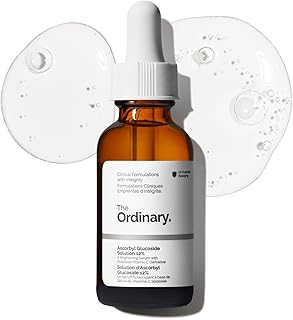
The Ordinary Ascorbyl Glucoside Solution 12%
Check PriceNot all dark marks are created equal. Vitamin C performs well on superficial pigmentation, but deeper discoloration may require a combination approach. Here is how it stacks up against the most common forms.
Sunspots and Age Spots
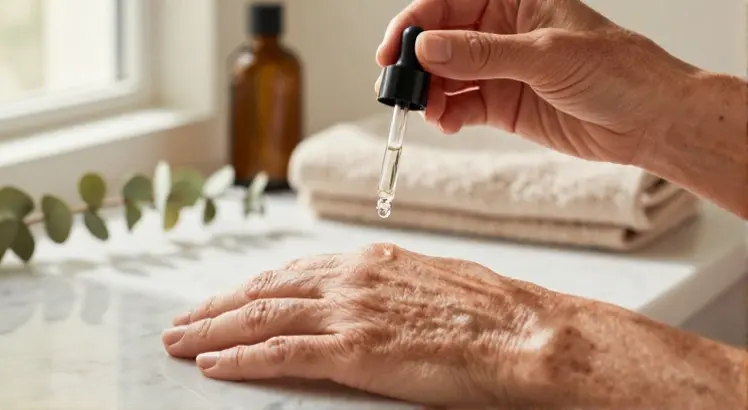
These flat brown spots, also called solar lentigines, are a direct result of cumulative sun exposure. Because UV damage is a major trigger and vitamin C acts as an antioxidant and tyrosinase inhibitor, consistent use can lighten sunspots significantly over 8-12 weeks. Many users see a noticeable reduction in contrast, even if the spot does not completely disappear.
Post-Inflammatory Hyperpigmentation (PIH)
PIH shows up as flat pink, red, or brown marks left behind after acne, eczema, or even insect bites. This type of hyperpigmentation sits in the upper layers of the skin, making it the most responsive to vitamin C. If you are dealing with acne scars that look like dark spots rather than indentations, a brightening serum with L-ascorbic acid can speed up fading. For a curated list, check out the best vitamin C serums for hyperpigmentation tested on various skin tones.
Melasma
Melasma is a stubborn, patchy hyperpigmentation often linked to hormones and heat. Vitamin C alone rarely removes melasma completely, but it is an excellent supporting player. Dermatologists frequently recommend vitamin C as part of a multi-ingredient regimen (alongside azelaic acid, tranexamic acid, or low-dose retinoids) because it helps stabilize pigment without irritation, a crucial factor since melasma can worsen with inflammation.
Using Vitamin C for Best Hyperpigmentation Results
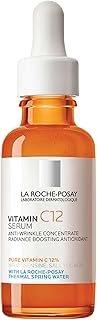
La Roche-Posay Pure 12% Vitamin C Serum
Check PriceGetting results from vitamin C isn’t just about picking any product off the shelf. The percentage, type of vitamin C, pH level, and how you layer it all matter.
Choose the Right Type and Concentration
- L-ascorbic acid: The most researched and potent form. Look for a concentration between 10% and 20%. 15% is the sweet spot for efficacy with minimal irritation.
- Sodium ascorbyl phosphate, magnesium ascorbyl phosphate, or tetrahexyldecyl ascorbate: These vitamin C derivatives are more stable, less acidic, and better suited for sensitive skin. They still inhibit tyrosinase but often require a little more time to show results.
Apply It at the Right Time
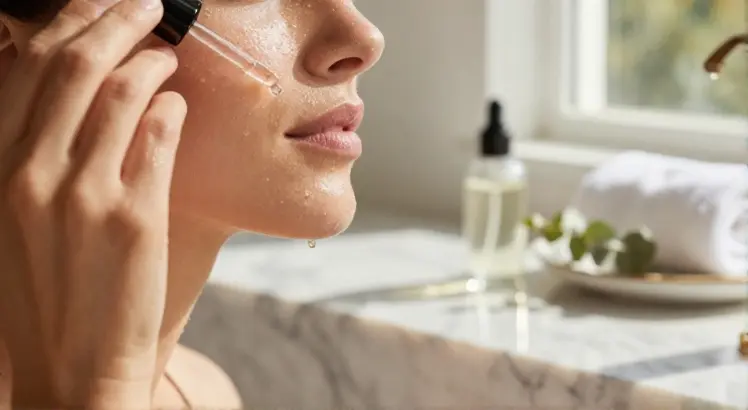
Vitamin C serums are best used in the morning. Their antioxidant properties give you an added layer of defense against environmental aggressors throughout the day. After cleansing and toning, apply a few drops of your serum onto dry skin. Let it absorb fully for 60-90 seconds before layering moisturizer and sunscreen.
Patience and Consistency Win the Game
Melanin synthesis doesn’t shut off overnight. Even a fast-acting formula requires consistent daily use for at least four to six weeks before you’ll notice a difference. For existing dark spots, expect visible fading around the 8-week mark, with continued improvement through 12-16 weeks. Photographs taken in the same lighting can help you track subtle changes that your eyes might miss.
Can Vitamin C Remove Hyperpigmentation Completely?
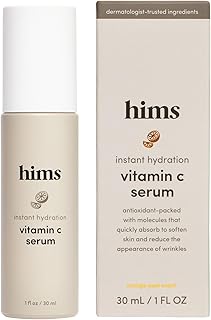
hims Vitamin C Serum – Brightening Serum for Men
Check PriceThis is the million-dollar question. In many mild-to-moderate cases, especially post-inflammatory marks and fresh sunspots, vitamin C can almost remove hyperpigmentation to the point that imperfections become undetectable to the naked eye. However, “completely” is a tricky word. Deep, long-established pigment that sits in the dermis may only fade partially with topicals alone. For those deeper spots, vitamin C serves as a brightening foundation, often combined with chemical peels, lasers, or prescription ingredients for full clearance.
Think of vitamin C as your daily maintenance and prevention hero. It stops new pigmentation while gradually erasing what is already there. Pairing it with other natural dark spot reduction methods like licorice root extract, niacinamide, and strict sun protection creates a synergistic effect that brings you closer to the even-toned skin you want.
Building a Hyperpigmentation Routine Around Vitamin C
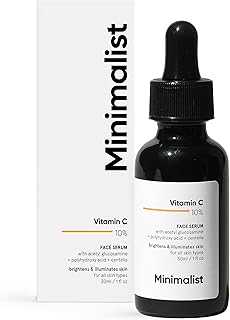
Minimalist 10% Advanced Vitamin C Serum
Check PriceA single product rarely solves hyperpigmentation completely. Layering ingredients wisely multiplies your results while protecting your skin barrier.
Morning Routine
- Gentle cleanser
- Vitamin C serum (L-ascorbic acid at 10-15%)
- Moisturizer with barrier-supporting ingredients like ceramides
- Broad-spectrum sunscreen SPF 30 or higher, ideally SPF 50, reapplied every two hours
Evening Routine
- Double cleanse to remove sunscreen and impurities
- Treatment step with ingredients like niacinamide, azelaic acid, or a gentle retinoid (start slowly)
- Rich moisturizer
If your skin tolerates active ingredients well, you can also use vitamin C in the evening, but never skip sunscreen the next morning. L-ascorbic acid stays in the skin for up to 72 hours, and unprotected sun exposure can oxidize it and worsen dark spots.
Side Effects and How to Avoid Irritation
Vitamin C is generally safe, but it is an active ingredient. Some people experience tingling, redness, or tiny breakouts when starting. This is often due to the low pH of L-ascorbic acid formulations rather than an allergy.
- Start low, go slow: If you are new to vitamin C, begin with a derivative or a 5-10% L-ascorbic acid serum three times a week and build up to daily use.
- Buffer with moisturizer: Apply a lightweight moisturizer before your vitamin C serum to reduce the chance of stinging.
- Watch for oxidation: If your serum turns dark yellow or brown, it has oxidized and can actually cause free radical damage. Store it in a cool, dark place and look for airless pumps or opaque bottles.
- Patch test behind the ear before applying all over your face.
FAQ: Can Vitamin C Remove Hyperpigmentation and Related Questions
How long does it take for vitamin C to remove dark spots?
Most people see initial brightening within 4-6 weeks and more significant fading by 8-12 weeks. Deep or old spots may take 4-6 months of consistent use and require complementary treatments.
Can I use vitamin C on active acne?
Yes, but avoid open, weeping pimples. Vitamin C helps calm inflammation and fades the red-brown marks that follow breakouts. It pairs well with salicylic acid in a separate step (morning vitamin C, evening BHA).
Does vitamin C lighten skin permanently?
Vitamin C does not bleach skin. It regulates melanin production. If you stop using it and continue unprotected sun exposure, pigment can reappear. The brightening effect is maintainable, not permanent, without sun protection.
Can I combine vitamin C with retinol for hyperpigmentation?
Yes, they are a power duo for tone and texture. Use vitamin C in the morning and retinol at night to minimize irritation. If your skin is resilient, some formulations combine them, but always introduce one at a time.
Is oral vitamin C effective for skin hyperpigmentation?
Oral vitamin C supports overall skin health and acts as an antioxidant, but it does not directly lighten spots as effectively as topical application. A diet rich in vitamin C supports your skin, but a serum targets the pigment at the site.
The Bottom Line: Is Vitamin C the Right Solution for You?
So, can vitamin C remove hyperpigmentation? For many people, the answer is a resounding yes, especially when hyperpigmentation is superficial and properly managed with sun protection. It is not an overnight eraser, but it is one of the most researched, dermatologist-loved ingredients for achieving a more even, radiant complexion.
Start with a stable, well-formulated serum, give it 8-12 weeks of consistent use, and never underestimate the power of daily SPF. If you incorporate vitamin C into a holistic brightening routine, you will likely see those stubborn spots fade into memory.
Disclaimer: This review is based on my personal experience and expert observations. Skincare results vary by individual. Always patch test new products and consult a dermatologist if you have specific skin concerns or conditions.