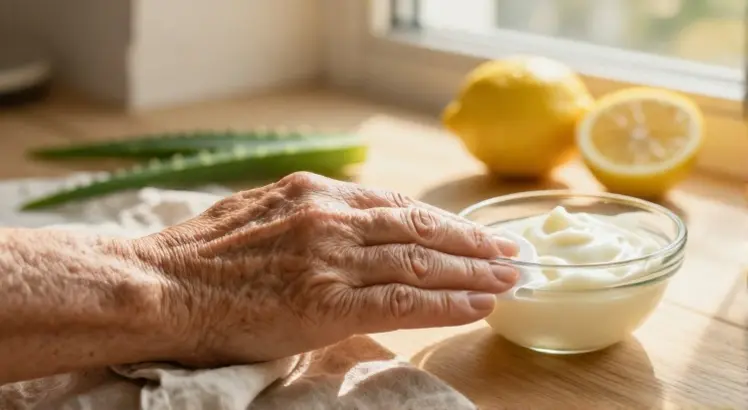
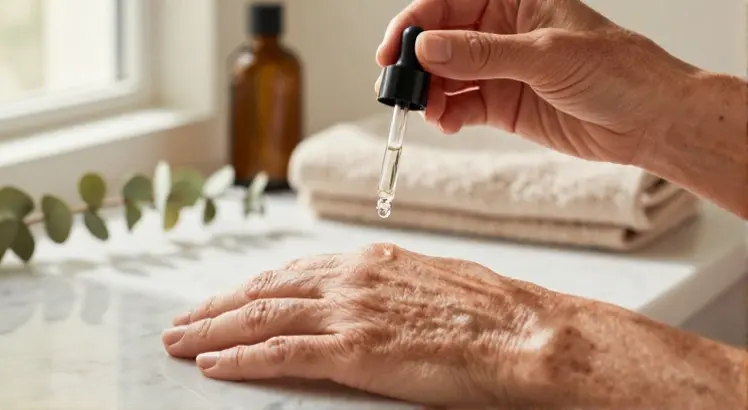
Staring into the mirror and seeing a constellation of dark spots where smooth, even-toned skin used to be is a frustrating experience shared by millions. Whether these marks appeared after a breakout, a sunny holiday, or simply with the passage of time, the desire to fade them is universal. The skincare industry offers a barrage of high-tech solutions, but many people are searching for a path that skips the harsh chemicals.
The good news is that you don’t necessarily need a prescription to see changes. By focusing on proven, gentle, and consistent methods, you can absolutely get rid of dark spots naturally, restoring your skin’s radiance from the comfort of your own home.
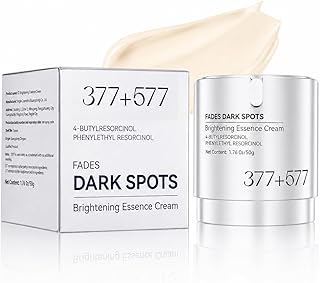
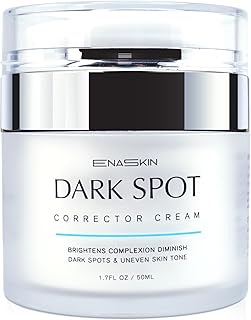
Dark Spot Remover for Face and Body, 1.76 Fl Oz, Dark Spot Corrector Cream with 377 577
Check PriceUnderstanding What Exactly Causes Dark Spots
To effectively fade hyperpigmentation, you first need to understand the engine driving it. A dark spot isn’t a surface stain; it’s a biological response happening deep within your skin. The root cause is melanin, the natural pigment that gives our skin, hair, and eyes their color.
When your skin senses an injury or inflammation, be it from UV rays, a pimple, or a hormonal shift, its defense mechanism is to overproduce melanin. This excess pigment clusters together, forming what we clinically call hyperpigmentation. While generally harmless, these spots can create an uneven, aged appearance that many find distressing.
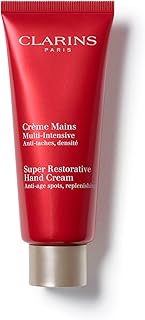
Clarins Super Restorative Hand Cream | Anti-Aging | Targets Dark Spots and Wrinkles
Check PriceSun Damage and Solar Lentigines
The most stubborn type of dark spot is usually the result of cumulative sun exposure. Often called age spots, liver spots, or sunspots, these flat, brown patches appear on areas that have received the most UV hits over the years, think the face, hands, shoulders, and arms. They aren’t a sign of overnight damage but rather a visual receipt for decades of time spent under the sun without adequate protection. If you want to get rid of dark spots naturally, addressing sun damage is the non-negotiable first step.
Post-Inflammatory Hyperpigmentation (PIH)
Have you ever noticed a lingering dark mark long after a pimple has healed? That’s post-inflammatory hyperpigmentation (PIH). This occurs when the skin’s repair process goes into overdrive after an injury, creating an excess of melanin at the trauma site. PIH can also follow insect bites, rashes, or even aggressive skincare treatments. While PIH can fade on its own, it often takes months or even years, which is why natural intervention is so helpful. This type is especially common on men’s faces, particularly for those who experience shaving irritation or ingrown hairs.
If you are tackling PIH specifically, understanding the right ingredients is crucial. For a deeper dive into targeted solutions designed for male skin, you can explore our guide on the best dark spot removers for men’s faces.
Melasma and Hormonal Fluctuations
Melasma presents as larger, patchy, often symmetrical areas of discoloration, typically on the cheeks, forehead, and upper lip. Unlike sunspots, this is triggered primarily by hormones. Pregnancy, birth control pills, and thyroid disorders are common culprits. Melasma is notoriously tricky to treat because the hormonal trigger remains active. Natural methods can certainly lighten it, but the goal here is often management and significant fading rather than a complete, permanent erasure, especially without addressing internal factors.
The Natural Ingredient Heroes That Really Work
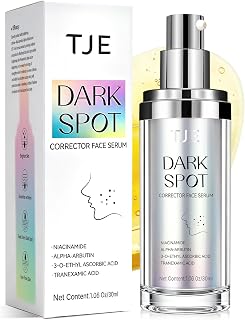
Dark Spot Remover Serum for Face and Body, Brightening Face Serum, 1.06 Fl Oz
Check PriceThe heart of a natural lightening routine lies in plant-based active ingredients that gently inhibit tyrosinase, the key enzyme responsible for melanin production. Unlike hydroquinone, a chemical bleach that can cause irritation, natural alternatives work with your skin’s biology to promote a calmer, more even-toned complexion. Here are the heavy hitters that have scientific backing and a long history of use.
Vitamin C: The Antioxidant Powerhouse
Vitamin C, particularly in its stable form as L-ascorbic acid, is arguably the gold standard for natural skin brightening. It works through three powerful pathways: it’s a potent antioxidant that neutralizes free radicals from UV and pollution, it directly inhibits tyrosinase to slow down pigment production, and it helps boost collagen for firmer skin. The result isn’t just fading of existing spots; it’s a shield against new ones forming. For a natural approach, you can harness the power of fresh topical sources, not just serums.
- Natural Sources & DIY: While a fresh lemon slice sounds tempting, the high acidity can disrupt your pH barrier and cause severe burns in sunlight. A gentler, effective method involves mashing a small amount of raw potato or using a cooled green tea compress. Both are rich in natural vitamin C and antioxidants, providing a mild but consistent lightening effect.
- Serum Integration: For those open to combining natural with scientific, a vitamin C serum mimics what you’d find in nature but in a concentrated, bioavailable format. If you are looking for a product that bridges the gap, it’s worth considering a formula specifically designed for male skin. We’ve reviewed one of the top contenders in detail in our analysis of the best vitamin C serum for men’s faces.
Licorice Root and Aloe Vera: The Soothers That Lighten
Not all natural treatments need to feel like an active treatment. Licorice root extract contains glabridin, a compound that not only inhibits tyrosinase but also soothes inflammation. This makes it a dream ingredient for PIH, as it works on the redness and the brownness simultaneously. Similarly, aloe vera, often just thought of as a sunburn reliever, contains aloesin, which has been shown in studies to effectively lighten hyperpigmentation when used consistently. Fresh aloe gel applied directly from the plant and left on for 15 minutes before rinsing provides a deeply hydrating, healing treatment perfect for sensitive skin types.
Enzymatic Exfoliation from Fruits and Herbs
Exfoliation is critical because dead, pigmented skin cells sitting on the surface make spots look darker and duller. Instead of harsh physical scrubs with walnut shells that can create micro-tears and worsen PIH, turn to natural enzymatic exfoliators. Papaya contains the enzyme papain, and pineapple is rich in bromelain. These fruit enzymes digest the glue holding dead skin cells together, revealing fresher, lighter skin underneath without the risk of abrasive damage.
- How to Use It: Mash a small piece of fresh papaya into a smooth paste. Apply it to clean skin as a mask for 5-8 minutes. The slight tingle means it’s working. Rinse with cool water. Doing this 2-3 times a week can dramatically improve skin luminosity.
The Power of Niacinamide (Vitamin B3)
While technically a vitamin, niacinamide is a skin-identical ingredient found naturally in foods like meat, fish, and green vegetables. When applied topically, it’s a multi-tasking maestro: it reduces pigment transfer to skin cells, strengthens the moisture barrier, and calms inflammation. It’s so gentle that it can be paired with almost any other natural remedy, making it a foundational element for a long-term natural lightening routine.
Building Your Daily Natural Dark Spot Routine
Dark Spot Remover for Face and Body: Hyperpigmentation Treatment – Natural Ingredient
Check PriceGetting results isn’t about throwing every ingredient at your face at once. It’s about strategic layering, consistency, and, most importantly, protection. The most expensive, labor-intensive natural remedy in the world will fail spectacularly if you skip the single most critical step. Here’s how to structure your day.
The Non-Negotiable: Sun Protection as Your Cure
We cannot talk about how to get rid of dark spots naturally without putting sunscreen at the very top of the treatment list. UV light activates melanocytes (the pigment factories) instantly. If you spend 20 minutes outside unprotected, you can undo three weeks of diligent natural fading work.
For a completely natural approach, opt for a mineral sunscreen containing zinc oxide. This sits on the skin’s surface and creates a physical mirror that reflects UV rays. It’s also non-irritating and safe for even the most reactive skin types. Wear it even indoors; UVA rays penetrate windows and are the main drivers behind dark spot formation.
Morning Protocol: Protect and Prevent
Your morning is about defense and gentle correction. A crucial, often misunderstood tip is that many natural lightening agents make your skin photosensitive. You should never apply undiluted lemon, lime, or heavy essential oils before sun exposure.
- Cleanse: Use raw honey or a gentle oatmeal-based cleanser.
- Antioxidant Layer: Apply a green tea toner or a vitamin C-rich fruit extract (like kakadu plum).
- Moisturize: A light lotion infused with licorice root or aloe vera.
- Protect: A generous layer of mineral SPF 30+.
Evening Protocol: Repair and Rejuvenate
Nighttime is when skin repair peaks. This is the time to use your stronger natural exfoliants and richer masks.
- Double Cleanse: If you wore SPF during the day, use an oil cleanser (like jojoba oil on a warm cloth) to fully remove the mineral film before your water-based cleanser.
- Enzymatic Mask (2x per week): Apply the papaya or pineapple mask mentioned earlier.
- Leave-On Treatment: Dab a cooled, steeped black tea bag onto specific spots. The tannins and caffeine constrict blood vessels and can help fade the appearance of dark marks.
- Occlusive Seal: A thin layer of shea butter or rosehip seed oil to lock in moisture. Rosehip oil is particularly prized because it is rich in trans-retinoic acid (a natural form of vitamin A), which aids cell turnover without the irritation of synthetic retinol.
For those who prefer a more scientific approach to their evening routine, a product like a vitamin C serum like the iS Clinical Pro-Heal can offer a blend of natural antioxidants and advanced healing technology that is particularly effective on PIH as you sleep.
Lifestyle and Dietary Habits That Support Spot-Free Skin
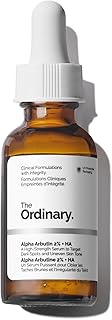
The Ordinary Alpha Arbutin 2% + Hyaluronic Acid, Brightens Skin, 1 Fl Oz
Check PriceTopical treatments are only half the picture. Your skin is a reflection of your internal health, and to get rid of dark spots naturally, you need to create an environment inside your body that is hostile to pigment overproduction.
Antioxidant-Rich Nutrition Plan
Eat the rainbow to fade the spots. The same antioxidants that protect your skin from the outside work from the inside, too. Focus on foods high in lycopene (cooked tomatoes, watermelon), beta-carotene (sweet potatoes, carrots), and polyphenols (berries, dark chocolate, green tea). These compounds help stabilize melanocytes, making them less likely to overreact to sunlight and inflammation.
Hydration and Inflammation Control
Dehydrated skin looks dull, making hyperpigmentation appear more pronounced. Aim for consistent, sipped water intake, not just chugging, for cellular hydration. More importantly, chronic, low-grade inflammation from a diet high in processed foods and sugar can feed into PIH. A diet rich in omega-3 fatty acids (flaxseeds, chia seeds, walnuts) is a natural anti-inflammatory that can calm the skin’s melanin response.
The Fading Role of Specific Oils
Not all oils clog pores—some are therapeutic. For a natural, targeted spot treatment, consider these carrier oils that have research-backed benefits for hyperpigmentation.
- Rosehip Oil: High in vitamin A and C, it mimics a gentle, natural retinol without the sun sensitivity.
- Tamanu Oil: A thick, greenish oil from the Pacific Islands, it has a unique fatty acid profile clinically studied for its ability to fade scars and PIH marks.
- Pomegranate Seed Oil: A potent antioxidant source, it’s deeply nourishing and helps prevent the oxidative stress that leads to the darkening of existing spots.
Common Mistakes That Actually Worsen Dark Spots
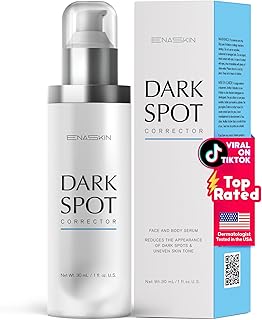
EnaSkin Dark Spot Corrector for Face & Body – 5% Tranexamic Acid, Niacinamide
Check PriceIn the enthusiastic pursuit of a clear complexion, many well-intentioned natural remedies backfire. Avoid these critical errors that can turn a mild case of PIH into a stubborn, textured problem.
1. The Acidity and Sunlight Trap
The single biggest natural mistake is applying citrus juices (lemon, lime, orange) and then going outside. These fruits contain psoralens, compounds that become activated by UV light and can cause a phototoxic reaction.
Rather than lightening a spot, you can permanently burn the skin, leaving a blister that heals into a dark mark far worse than the original one. It’s a phenomenon called phytophotodermatitis, often known as margarita burn. If you use these ingredients, they are strictly for nighttime, and must be washed off thoroughly by morning.
2. Over-Exfoliating with Physical Scrubs
The desire to scrub the spot off is strong, but using harsh particles like crushed apricot shells, sugar, or salt on the face creates microscopic scratches. For someone with darker skin tones or active PIH, this physical trauma directly triggers more melanin production, making the spot darker and causing it to spread. Stick exclusively to enzymatic and chemical exfoliation.
3. Inconsistency and Impatience
Nature works slower than a laser. A natural treatment can take 8-12 weeks of consistent, daily use to show visible, measurable fading on a deep sunspot. If you cycle through 15 different natural hacks in one month, you’re not giving any of them a chance to work, and you might just be irritating your skin. Pick a routine, and commit to it like a prescription. Document your progress with weekly photos, not daily mirror checks.
Frequently Asked Questions About Natural Dark Spot Removal
How long does it take to get rid of dark spots naturally?
Patience is paramount. For fresh, superficial post-acne marks (PIH), you might see a noticeable difference in 4-6 weeks of consistent natural treatment. For deeper, long-standing sunspots that have been there for years, expect a timeline of 3-6 months. Results vary based on your skin tone and cell turnover rate, which is influenced by age and diet. You aren’t simply bleaching a stain; you are slowly diffusing and reducing pigment within the skin’s layers.
Can I permanently remove dark spots with natural ingredients?
This is the most honest question to ask. Yes, you can fade them to the point of being virtually invisible. But permanent is a loaded word, especially for dermal melasma and sunspots. Because the melanocyte cells that produced the spot are still in your skin, they retain a cellular memory. If you stop your SPF, antioxidants, and brightening routine and return to the lifestyle that caused them, the spots can and will resurface. The natural cure is, therefore, a permanent shift to a protected, antioxidant-rich lifestyle.
Is apple cider vinegar safe for dark spots on the face?
Apple cider vinegar (ACV) is heavily debated. It contains acetic acid, which acts as a mild chemical exfoliant, helping to peel away the top layer of dead pigmented cells. However, facial skin is 4-5 times thinner than the body’s skin. Even heavily diluted ACV can damage the skin’s acid mantle, leading to a compromised barrier, dehydration, and a reactive spike in PIH. If you choose to use it, it must be diluted to a 1:5 ratio with water and used as a very short-contact rinse. Far gentler and more effective natural acids exist.
What’s the best natural spot treatment for sensitive skin?
For sensitive, reactive skin types that turn red easily, aloe vera and pure rosehip oil are the safest. Aloe vera actively calms the skin while its aloesin content works on pigment. Rosehip oil offers a non-irritating retinoid effect to nudge cell turnover. This combination is often far better tolerated than even the most expensive brightening serums. If your skin is very reactive, ensure any product or natural mask you use is also free of fragrant essential oils, which can be common hidden sensitizers.
Conclusion: Embracing Patience and Radiance
The journey to get rid of dark spots naturally is a profound, educational, and ultimately empowering one. It moves you away from the quick fix mentality and into a deep, holistic understanding of your skin’s needs. Your skin is a living ecosystem, and with the right, gentle, consistent foods, fed both topically and internally, it has an incredible capacity for renewal and repair.
The true secret isn’t found in a single miracle berry or leaf; it’s in the alchemy of mineral sun protection, consistent antioxidant application, and the anti-inflammatory diet that supports it all. Start with a simple ritual, stick to it for 12 weeks, and let the slow, beautiful process of natural fading and skin health transformation unfold. Your even-toned, luminous skin is, quite literally, a product of the care and consistency you give it every single day.
For more targeted and advanced solutions tailored to specific needs, such as stubborn spots on the hands or high-performance serums, explore our detailed guide on the best dark spot removers for hands and our review of advanced serums. Additionally, to understand the broader context of skin discoloration and how to address it, this resource from the American Academy of Dermatology offers excellent insights on how dermatologists approach treating hyperpigmentation.
Disclaimer: Skincare results vary by individual. Always patch test new products and consult a dermatologist if you have specific skin concerns or conditions.