If you’ve spent any time staring at your reflection and wondering which cream will remove dark spots, you’re not alone. Hyperpigmentation, whether from sun damage, acne scars, or hormonal changes, can feel stubborn and never-ending.
The good news? Science-backed creams exist that can visibly fade these marks, and you don’t need a dermatologist on speed dial to find them. In this guide, we break down exactly which ingredients work, how to pick a formula that matches your skin type, and the application tricks that turn a good cream into a great one. By the time you finish reading, you’ll know what to look for on a label and how to finally see real progress.
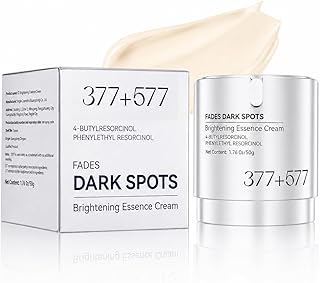
Dark Spot Remover with 377 577 Brightening Formula
Check PriceWhy Dark Spots Form and How Creams Can Help
Dark spots, also called hyperpigmentation, happen when some skin cells produce too much melanin, the pigment that gives skin its color. Triggers include UV exposure, inflammation (like acne or eczema), hormonal shifts (melasma), and even certain medications. While the root cause varies, the solution almost always involves two steps: protect skin from further damage and use active ingredients that interrupt the pigment-making process.
Creams work by targeting different stages of melanin production and distribution. Some ingredients inhibit the enzyme tyrosinase, which is needed to make melanin. Others speed up cell turnover so pigmented cells shed faster.
The best dark spot creams often combine a few of these mechanisms, and they’re far more effective than hoping a generic moisturizer will do the job. For a curated list of products that consistently deliver results, our roundup of top-rated dark spot removing creams breaks down which formulas work for different budgets and skin tones.
Key Ingredients That Actually Fade Dark Spots
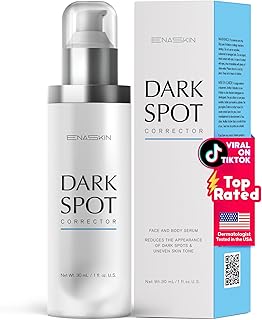
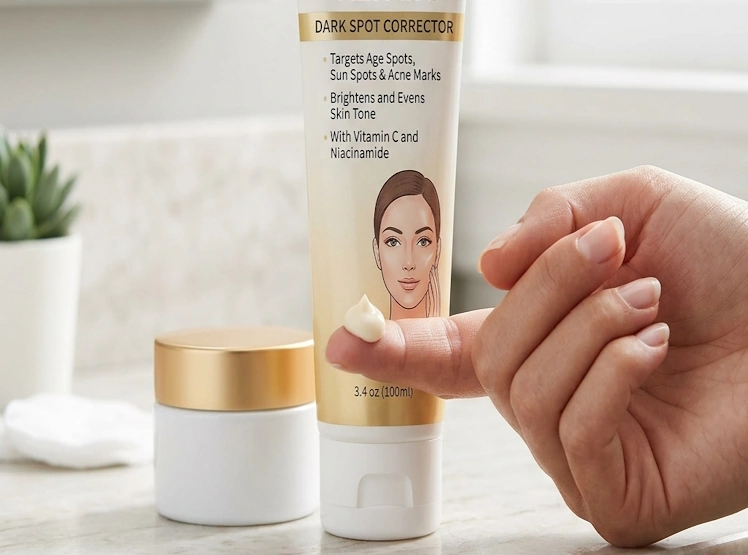
EnaSkin Dark Spot Corrector for Face & Body
Check PriceNot all brightening creams are created equal. The ones that make a real difference rely on proven actives. Here’s a look at the most effective ingredients, from prescription-strength powerhouses to gentle natural alternatives.
Hydroquinone – The Gold Standard
Hydroquinone is considered the most effective lightening agent in dermatology. It works by blocking the enzyme tyrosinase, dramatically reducing melanin production. In the US, concentrations of 2% are available over the counter, while 4% and higher require a prescription. Many people see a noticeable difference within 4 to 6 weeks. Because it can be irritating, experts recommend using hydroquinone in short cycles, typically 3 to 4 months on, followed by a break, to avoid a rare side effect called ochronosis, which causes a blue-black discoloration.
Retinoids – Accelerating Cell Turnover
Prescription retinoids like tretinoin and over-the-counter retinol or retinaldehyde work differently: they speed up the shedding of dead, pigmented cells and promote new, evenly toned skin. Over time, they also help other brightening ingredients penetrate deeper. A 2021 clinical review noted that combining a retinoid with a tyrosinase inhibitor (like hydroquinone or kojic acid) produces faster and more complete fading than using either alone. Because retinoids can cause dryness and increased sun sensitivity, start with a low concentration twice a week and gradually build up tolerance.
Vitamin C – Brightening Powerhouse
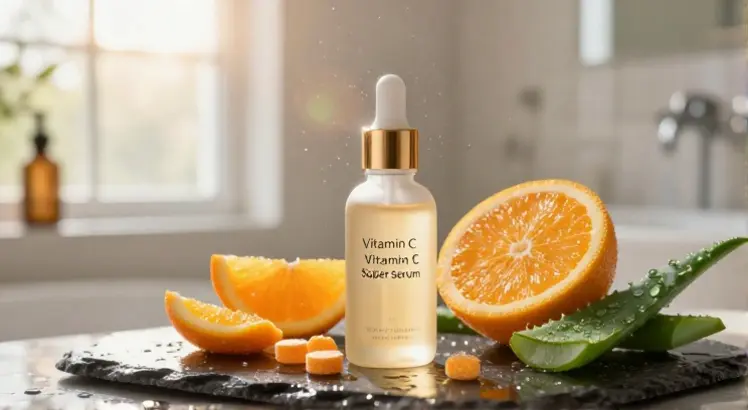
Vitamin C (L-ascorbic acid) is a triple threat: it’s a potent antioxidant, a tyrosinase inhibitor, and a collagen booster. It neutralizes free radicals that trigger melanin overproduction and actively lightens existing spots. Look for formulations with a concentration between 10% and 20% and a pH below 3.5 for stability. Because pure vitamin C degrades quickly when exposed to light and air, opaque, airless packaging is a must. While serums are the most common delivery method, several creams now combine vitamin C with moisturizers to reduce the risk of irritation, something to consider if you have sensitive skin.
Kojic Acid, Azelaic Acid, and Other Alternatives
For people who can’t tolerate hydroquinone or simply prefer plant-based options, several alternatives have solid research behind them:
- Kojic acid – derived from mushrooms, it inhibits tyrosinase and is often found in soaps and creams at 1% to 4% concentration. It pairs well with vitamin C.
- Azelaic acid – naturally produced by yeast, it’s a gentle exfoliant that also targets abnormal melanocytes. Prescription strength (15%–20%) works well for both acne marks and melasma.
- Licorice root extract – contains glabridin, which blocks tyrosinase without cytotoxicity. It’s widely used in Korean skincare and gentle enough for daily use.
- Niacinamide – a form of vitamin B3 that prevents melanin transfer to skin cells, making spots look lighter within 8 to 12 weeks.
- Tranexamic acid – originally a medication to reduce bleeding, it interrupts the interaction between skin cells and melanocytes. It’s become a popular ingredient in serum and cream form, especially for stubborn melasma.
These ingredients often appear in combination. If you’re curious about how creams stack up against other removal methods like chemical peels or natural remedies, our guide on what can clear dark spots on the face compares every approach so you can decide what fits your routine.
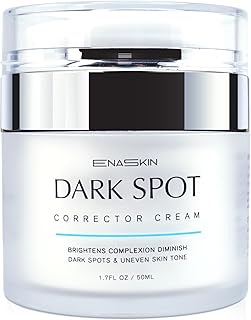
Dark Spot Remover for Face and Body: Hyperpigmentation Treatment
Check PriceHow to Choose the Right Cream for Your Skin Type
Even the best ingredient can backfire if the base formula doesn’t suit your skin. Here’s a quick breakdown by skin profile:
- Oily or acne-prone skin: Opt for a lightweight, oil-free lotion or gel-cream that contains niacinamide, azelaic acid, or salicylic acid to simultaneously unclog pores and fade post-inflammatory hyperpigmentation.
- Dry or mature skin: Look for richer creams with added ceramides, squalane, or glycerin. Ingredients like retinol and vitamin C can be drying, so pick a formula that buffers them with plenty of moisture.
- Sensitive skin: Start with a minimalist formula containing licorice extract, niacinamide, or azelaic acid. Avoid fragrances, alcohol, and high concentrations of acids. Patch-test behind your ear for three days before applying it to your whole face.
- Darker skin tones (Fitzpatrick IV–VI): Hyperpigmentation in melanin-rich skin can be trickier because treatments that trigger inflammation may cause more severe post-inflammatory marks. Hydroquinone must be used with extreme caution, and it’s often safer to rely on azelaic acid, retinoids (gradually introduced), or tranexamic acid.
If you’re unsure where to start, a derm-favorite combination is using a vitamin C cream in the morning (under sunscreen) and a retinol or azelaic acid cream at night. This piggybacks on your skin’s natural repair cycle and builds visible results over 8 to 12 weeks.
Prescription vs. Over-the-Counter: Which One Works Faster?
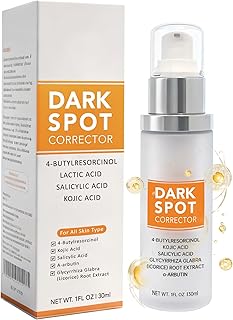
Dark Spot Remover For Face Body with 5% Niacinamide
Check PriceTimeline expectations matter. Prescription formulas like 4% hydroquinone or tretinoin 0.05% can yield faster fading, sometimes in 6 weeks, because they deliver higher potency under medical supervision. Over-the-counter creams rely on lower concentrations and often take 12 to 16 weeks to produce a comparable change. The trade-off is tolerability and safety. Many people find that a layered over-the-counter regimen (vitamin C + niacinamide + retinol) eventually matches prescription results without the flaking and redness.
A useful middle ground is teledermatology services, where a board-certified dermatologist can prescribe compounded creams that blend hydroquinone, retinoid, and a mild steroid (like fluocinolone) into one formula. These triple combination creams are highly studied and remain a gold standard for stubborn melasma.
How to Apply Dark Spot Cream for Maximum Results (Step-by-Step)
A sloppy application can undo months of careful product selection. Use this routine to give your cream the best shot at working:
- Cleanse gently – Wash your face with a pH-balanced, sulfate-free cleanser. Harsh soaps strip the barrier and make active ingredients sting.
- Apply on slightly damp skin (unless using retinol) – Damp skin absorbs ingredients better, but many retinoid formulas instruct you to wait until skin is fully dry to reduce irritation. Follow the label exactly.
- Use a pea-sized amount – Dot the cream onto dark spots only or spread a thin layer over the entire face if you’re treating diffuse pigmentation. More product won’t speed up results; it just increases side effects.
- Wait 5–10 minutes before layering – If you’re using a separate moisturizer or sunscreen, let the treatment cream absorb fully to avoid pilling or dilution.
- Finish with broad-spectrum SPF 30+ in the morning – This is non-negotiable. UV light not only triggers new spots but also reactivates melanocytes you’re trying to calm down. Without sunscreen, any progress you make will reverse within days.
Patch Testing and Sunscreen Use
Before slathering a new cream all over, dab it on a small area near your jawline for three consecutive nights. If no burning, itching, or excessive redness appears, you’re likely safe to proceed. And remember: the American Academy of Dermatology emphasizes that sunscreen is the most critical step in any hyperpigmentation treatment plan. Even the best cream becomes useless if you’re exposing your skin to UV unprotected.
Common Mistakes That Slow Down Results
Many people abandon a cream too early, typically around week 4, just as the skin cell cycle is about to show change. Others jump between products weekly, which confuses the skin and inflames the barrier. Here are the pitfalls to avoid:
- Skipping sunscreen – Already stressed, but it’s the number one reason creams don’t work.
- Using too many actives – Layering a retinoid, an AHA, and hydroquinone all in one night can burn the skin and worsen hyperpigmentation.
- Not moisturizing – A compromised skin barrier looks dull and inflamed, which makes dark spots appear darker.
- Ignoring the neck and chest – Sun damage doesn’t stop at the jawline. Treat your neck and décolletage with the same SPF and cream, or you’ll create a clear line of demarcation.
- Popping or picking blemishes – Every picked pimple leaves behind post-inflammatory hyperpigmentation that can take months to fade.
Frequently Asked Questions
How long does it take for a dark spot cream to work?
Most people see faint lightening around 4 to 6 weeks, but significant fading often takes 12 to 16 weeks. Deep, old spots can take 6 months or longer. Consistency is key.
Can a cream remove dark spots permanently?
Creams can fade spots to the point of invisibility, but they don’t stop your melanocytes from overheating again. Without sun protection and maintenance, spots tend to come back.
Are dark spot creams safe to use during pregnancy?
Avoid hydroquinone (it’s absorbed systemically in unknown amounts) and high-dose retinoids. Safe alternatives include azelaic acid, niacinamide, and vitamin C. Always consult your OB-GYN.
Can I use a dark spot cream on my body?
Yes. Creams formulated for the face often work on hands, elbows, and knees. Just be aware that body skin is thicker, so you might need a longer treatment course.
What’s better, a cream or a serum?
Serums typically have higher concentrations of active ingredients and lighter textures, but creams are better for dry or sensitive skin because they lock in moisture while delivering actives. Hybrid cream-serums are becoming popular for their balanced performance.
Conclusion
Figuring out which cream will remove dark spots doesn’t have to be a shot in the dark. Go straight to the ingredients list: look for hydroquinone, retinoids, vitamin C, azelaic acid, or niacinamide. Match the base formula to your skin type, protect your skin with SPF 30+ every single day, and be patient for at least three months.
A well-chosen cream can erase years of sun damage and acne scars, but the real secret is sticking to a routine that shields your skin from future pigmentation. If you’re still unsure, consult a board-certified dermatologist who can personalize a plan, and never underestimate the power of a simple, consistent regimen.