
Learning how to apply vitamin C serum correctly can be the single most important step you take for brighter, firmer, and healthier-looking skin. Maybe you have already invested in a high-quality L-ascorbic acid formula. Maybe you are new to the world of active skincare and feeling a little overwhelmed. Either way, the right technique protects your skin barrier, prevents irritation, and ensures every drop of that potent antioxidant works exactly as it should.
In this guide, you will find a straightforward, no-fluff breakdown of exactly how to use vitamin C serum, from the right order in your routine to the best time of day to apply it. Let us walk through the process together so you can unlock that lit-from-within glow without the guesswork.
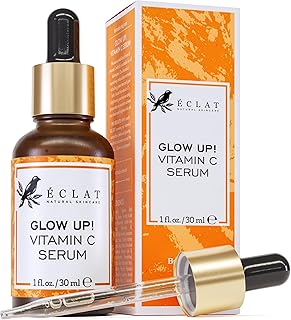
Eclat Skincare Vitamin C Serum
Check PriceWhy Proper Application Matters
Vitamin C is a notoriously finicky ingredient. It fights free radicals, helps fade dark spots, and supports collagen production, but if it is not applied in the right environment or paired with compatible products, it can oxidize before it penetrates or even cause redness and flaking. A clinical review on vitamin C efficacy notes that only stabilized, well-formulated products used on clean, properly prepped skin deliver the full anti-aging and brightening benefits.
When you master how to apply vitamin C serum, you will notice a visible difference in texture, tone, and overall radiance within a few weeks. The process is less about fancy tools and more about respecting the ingredient’s pH requirements, timing, and layering rules.
Step-by-Step Guide to Apply Vitamin C Serum
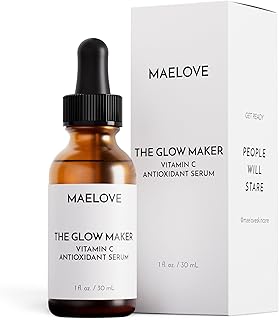
MAELOVE Glow Maker Vitamin C Serum
Check PriceBefore you start, make sure you have a freshly washed face and clean hands. The sequence you follow matters because vitamin C is a water-based active that needs direct contact with bare skin to be effective. Here is the simple, dermatologist-approved protocol.
Step 1: Cleanse Your Face
Begin with a gentle, pH-balanced cleanser. Oil, sweat, and overnight residue create a barrier that prevents penetration. Use lukewarm water, never hot, because heat can strip natural oils and leave skin more reactive. Pat your face dry with a soft, clean towel. Damp skin can dilute the serum and alter its pH, so make sure your complexion is dry before moving on.
Step 2: Tone (Optional but Helpful)
If you use a toner, reach for an alcohol-free formula that balances pH without over-exfoliating. A few spritzes of a hydrating toner or a swipe of a gentle balancing mist can help restore the skin’s natural acidity and create an ideal canvas for absorption. Wait 30 seconds for the toner to settle before applying the serum. Skip this step if your skin feels tight or sensitive, direct application on clean, dry skin works perfectly too.
Step 3: Apply the Vitamin C Serum
Dispense 3 to 4 drops onto your fingertips, using a dropper or pump ensures you get the right amount without contamination. Warm the product between your fingertips for a second, then gently press and pat the serum into your skin. Start from the center of the face and move outward. Pay extra attention to areas prone to hyperpigmentation like the cheeks, forehead, and chin. Avoid the immediate eye area unless the formula is specifically designed for that delicate skin. Never rub or tug, pressing motions drive the active deeper while reducing the risk of irritation.
If you are looking for an even deeper dive into each stage, you can follow our detailed serum routine guide that breaks down every nuance, from choosing a stable formula to pairing it with complementary ingredients.
Step 4: Wait and Let It Absorb
Patience is key here. Allow the vitamin C serum to dry and fully absorb for at least 60 to 90 seconds. You will feel the product go from slightly tacky to a smooth finish. Rushing into the next layer can mix the acidic serum with other products too quickly, diluting its potency. Use this short pause to apply a little serum to your neck and the back of your hands, two areas that show aging just as much as the face.
Step 5: Moisturize
Seal everything in with a lightweight, fragrance-free moisturizer. A good moisturizer locks the antioxidant beneath the skin’s surface and reinforces the barrier. Look for ceramides, squalane, or glycerin to boost hydration without clogging pores. If your skin leans dry, consider a slightly richer cream; oily skin types can stick to a gel-based lotion.
Step 6: Sunscreen (Morning Routine Only)
Vitamin C works best under sunscreen during the day. It boosts your protection against UV damage and pollution, but it cannot shield skin alone. After moisturizing, spread a broad-spectrum SPF 30 or higher generously over your face and neck. Reapply every two hours if you are exposed to direct sunlight. This final step is non-negotiable, skipping sunscreen while using actives can worsen pigmentation and accelerate aging.
Common Mistakes to Avoid
Timeless Skin Care Vitamin C Serum
Check PriceEven the best vitamin C serum can fail if you fall into these easy traps. Keep an eye out for these frequent errors:
- Applying on damp skin: Water increases pH and can destabilize L-ascorbic acid, leading to irritation.
- Using too much product: More is not better. Overloading your skin can cause stinging and pilling.
- Skipping the wait time: Layering moisturizer or sunscreen too fast can neutralize the serum.
- Mixing with incompatible actives: Never combine vitamin C with benzoyl peroxide or high-percentage AHAs and BHAs in the same routine unless you use them at different times of day.
- Using an oxidized serum: If your clear or pale yellow serum has turned dark orange or brown, it has degraded. Toss it out.
Morning vs Night: When Should You Apply Vitamin C Serum?
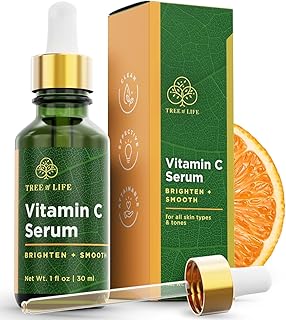
Tree of Life Vitamin C Serum
Check PriceThe golden rule of vitamin C is morning application, and for good reason. As an antioxidant, it neutralizes the free radicals your skin encounters from UV rays and pollution throughout the day. Paired with sunscreen, it creates a powerful defense shield. However, some people with very sensitive skin tolerate it better at night when they are not mixing it with SPF or makeup. If you choose to apply your serum in the evening, make sure your face is clean and follow the same layering steps, but skip the sunscreen.
For a detailed look at this topic and how men’s skincare routines can differ, check out our guide on the ideal time to layer your antioxidant serum. The core principles remain the same: consistency and protection matter above all.
How to Layer Vitamin C with Other Skincare Products
Layering actives correctly is the secret to a routine that works without inflammation. In the morning, a clean face (plus optional toner) should be followed immediately by your vitamin C serum. After it absorbs, apply a moisturizer and then sunscreen. If you use a niacinamide serum, you can layer it either before or after vitamin C, modern formulations are often compatible, but patch test first to avoid flushing.
In the evening, vitamin C can still be used as long as you are not using retinoids or strong exfoliants in the same session. A simple night-time stack looks like this: cleanse, vitamin C serum, moisturizer. If you are using a retinol or prescription retinoid, separate them: use vitamin C in the morning and your retinoid at night. This way, you get the collagen-building benefits of both without overwhelming the skin barrier.
FAQ: Your Top Questions About Applying Vitamin C Serum
Can I apply vitamin C serum every day?
Yes, most people can use a well-formulated vitamin C serum once daily, preferably in the morning. If your skin is sensitive, start with every other day and gradually increase to daily use as your skin builds tolerance. Always follow with moisturizer and sunscreen.
Should I apply vitamin C before or after moisturizer?
Always before moisturizer. Vitamin C is a thin, water-based active that needs to be applied directly to clean skin for absorption. Moisturizer comes afterward to lock it in and hydrate.
How long should I wait before applying moisturizer?
Aim for 60 to 90 seconds. You should feel the serum settle and become slightly dry to the touch. This brief pause prevents dilution and ensures maximum potency.
Can I mix vitamin C serum with my foundation or moisturizer?
It is not recommended. Mixing can alter the serum’s pH and reduce its effectiveness. Apply the serum first, allow it to absorb, then proceed with moisturizer and makeup. If you are in a rush, a few drops of a very stable formula mixed into a water-based moisturizer may still offer some benefit, but keep this as an exception, not a rule.
Does vitamin C serum expire?
Yes, and quickly. Pure L-ascorbic acid serums are prone to oxidation when exposed to light, air, and heat. A clear to pale yellow color is normal; a dark orange or brown hue means the product has turned. Store your serum in a cool, dark place, and tightly close the cap after each use to extend its shelf life.
Conclusion: Your Simple Daily Vitamin C Habit
Now that you know exactly how to apply vitamin C serum, the missing piece is consistency. A clean face, a few drops pressed gently into the skin, a short wait, and a protective moisturizer-SPF shield, that is the routine that delivers real changes. Over time, you will see a noticeable reduction in dullness, dark spots, and fine lines. Trust the process, listen to your skin, and enjoy the natural luminosity that comes from doing one small thing right every single morning.