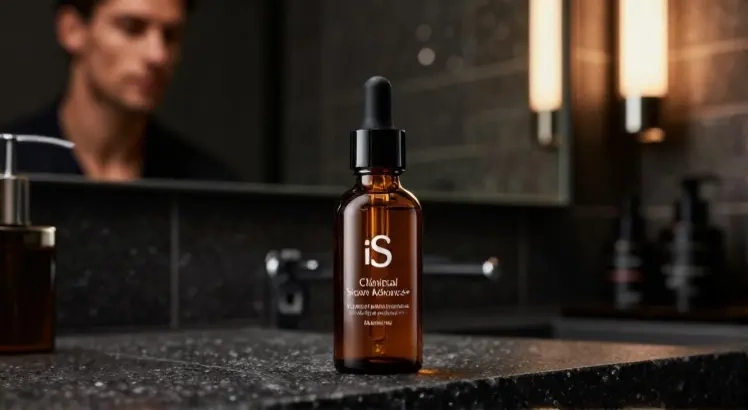

You have finally invested in a high-quality vitamin C serum, but now you are staring at the bottle asking one crucial question: should I apply it in the morning or at night? The vitamin c serum morning or night debate is one of the most persistent topics in skincare, and getting the timing right can dramatically change your results. Whether you are fighting dark spots, dullness, or early signs of aging, understanding the science behind when to use this potent antioxidant will help you unlock its full potential without irritation.
This guide cuts through the noise with evidence-based advice, practical layering tips, and dermatologist-backed insights. I will walk you through the pros and cons of AM versus PM application, help you personalize your routine, and answer the most common questions so you can finally stop guessing and start glowing.
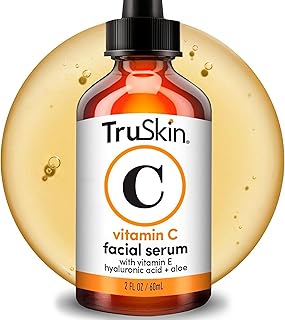
TruSkin Vitamin C Serum for Face
Check PriceWhy Timing Matters for Vitamin C Serum
Vitamin C, in its most effective form (L-ascorbic acid), is notoriously unstable. It degrades when exposed to light, air, and heat. But the reason timing matters goes far beyond stability. The primary function of vitamin C, neutralizing free radicals and boosting collagen, couples perfectly with your skin’s circadian rhythm. During the day, your skin is in defense mode, while at night it shifts into repair and regeneration. Depending on whether you seek environmental protection or accelerated skin healing, your application window makes a real difference.
Another layer is how vitamin C interacts with other active ingredients like retinoids, acids, and niacinamide. Morning routines typically revolve around antioxidants and sunscreen, while evening routines focus on exfoliation and cell turnover. Choosing the right slot ensures synergy rather than conflict. For a deeper dive into tailoring your schedule, discover the optimal timing for your skin type.
Benefits of Using Vitamin C Serum in the Morning
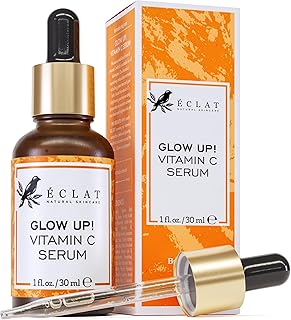
Eclat Skincare Vitamin C Serum
Check PriceFor most people, the morning is the gold standard for vitamin C application. Here is why dermatologists often recommend starting your day with this antioxidant powerhouse.
1. A Shield Against Daily Aggressors
During the day, your skin gets bombarded by UV rays, pollution, and blue light. These generate free radicals, unstable molecules that steal electrons from healthy cells, leading to oxidative stress, collagen breakdown, and premature aging.
Vitamin C is an electron donor; it neutralizes free radicals before they can damage your DNA and structural proteins. Think of it as an invisible shield that complements your sunscreen. In fact, studies show that pairing vitamin C with sunscreen provides significantly better protection against UV-induced photodamage than using sunscreen alone.
3. Enhanced Sun Protection (But Not a Replacement)
A crucial myth to bust right away: vitamin C is not a sunscreen. However, it acts as a secondary layer of defense. While SPF absorbs or reflects UV rays, vitamin C mops up the free radicals that slip through. This dual approach reduces the risk of sunburn cells forming and lowers hyperpigmentation triggers. If you struggle with dark spots, applying a potent vitamin C serum under your moisturizer and sunblock can prevent those spots from darkening further during the day.
3. Brightening Effects That Last All Day
Vitamin C inhibits the enzyme tyrosinase, which is responsible for melanin production. By putting the brakes on pigment overproduction in the morning, you maintain a more even complexion throughout the day. Many users report an immediate luminosity boost right after application, perfect for that fresh-faced, zoom-ready glow.
Benefits of Using Vitamin C Serum at Night
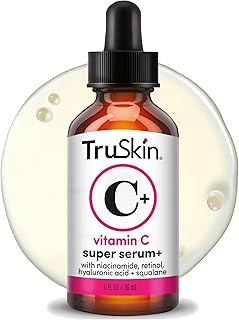
TruSkin Vitamin C Super Serum for Face
Check PriceWhile the morning offers protective advantages, the night shift has compelling benefits that are often overlooked. If your daytime routine is already crowded or your skin is sensitive, the evening might be your secret weapon.
1. Deep Collagen Repair While You Sleep
Your body enters a regenerative state during sleep, with blood flow to the skin increasing and cell turnover peaking. Vitamin C is a necessary cofactor for the enzymes that synthesize collagen. Applying it at night feeds this natural repair process, helping to firm skin and soften fine lines. If anti-aging is your primary concern, nighttime application ensures maximum absorption without competition from makeup or environmental stressors.
2. Avoiding Sunlight-Related Degradation
Even properly formulated serums can degrade slightly under direct UV exposure. While the antioxidant action still works, some of the product may oxidize on your skin before it fully penetrates. Applying it after your evening cleansing allows the serum to work in a light-free environment, preserving its stability and potency. This is especially useful if you live in a high-sun climate or have a formula that feels a bit oily under makeup.
3. Synergy with Retinoids and Exfoliants
Many people reserve their retinol, AHAs, or BHAs for nighttime. While vitamin C should not be layered directly with strong acids or retinoids to avoid irritation, you can use them on alternating nights or stagger them properly. A night where you skip retinoids becomes a dedicated vitamin C night, giving your skin a break while still delivering powerful rejuvenation. Alternatively, using vitamin C in the morning and retinoids at night is a classic skincare split, but if your morning routine is too exposed to the sun without reapplication, flipping them feels safer for sensitive skin.
Factors That Influence Your Decision
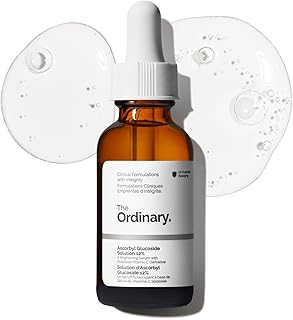
The Ordinary Ascorbyl Glucoside Solution 12%
Check PriceThe right time is not one-size-fits-all. Personalize your choice based on these real-world factors.
- Skin Type and Sensitivity: Oily and normal skin often tolerate morning application well. Sensitive skin might experience a slight tingle or redness if combined with sweat and pollution. Nighttime use can be gentler.
- Formula Concentration: Serums with 10-15% L-ascorbic acid are potent. If yours is above 15%, your skin might appreciate the overnight recovery interval without external irritants.
- Other Actives in Your Routine: Using benzoyl peroxide or copper peptides? These can oxidize vitamin C or negate its benefits. Timing helps you separate them. If you cannot separate them, choose the time that avoids interaction.
- Lifestyle and Makeup: Vitamin C tends to have a slightly sticky finish. If you wear heavy foundation, a morning serum that lacks silicones might pill. At night, pilling is not a concern.
- Your Sunscreen Habit: If you are religious about sunscreen reapplication every two hours, morning vitamin C is a powerhouse. If you skip SPF or rarely reapply, the added daytime protection benefit becomes less impactful.
The experts at the American Academy of Dermatology emphasize that consistency matters more than clock time. Pick a time you can stick with, and build your routine around it without conflict.
How to Layer Vitamin C Serum for Day and Night
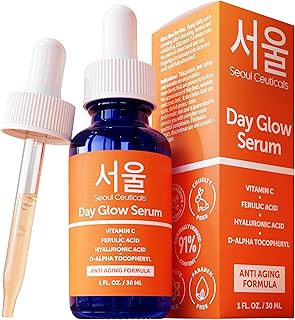
SeoulCeuticals Korean Skin Care Vitamin C Serum
Check PriceIncorrect layering can render even the best serum useless. Whether you go morning or night, follow these golden rules.
Morning Layering Order
- Cleanser: Start with a gentle, low-pH cleanser. Vitamin C penetrates best at a pH below 4.
- Vitamin C Serum: Apply 3-4 drops onto dry skin immediately after cleansing. Let it absorb for 60-90 seconds.
- Moisturizer: Seal in hydration with a lightweight, fragrance-free formula.
- Sunscreen: Finish with broad-spectrum SPF 30 or higher. Never skip this step.
Nighttime Layering Order
- Double Cleanse: Remove makeup and SPF thoroughly.
- Vitamin C Serum: Apply on bare skin. Wait 2-3 minutes before moving to the next step to avoid dilution.
- Moisturizer or Night Cream: Lock in the serum with barrier-supporting ingredients like ceramides or squalane.
- Optional Add-On: If you use a retinol or exfoliant on a different night, do not layer them together. On vitamin C nights, your skin gets a restorative break.
For a comprehensive visual guide on making these steps seamless, check out proper application techniques that maximize absorption.
Common Myths About Vitamin C Timing
Timeless Skin Care Vitamin C Serum
Check Price- Vitamin C makes your skin more sensitive to the sun. False. It does the opposite. It provides an antioxidant boost that helps mitigate sun damage. You still need SPF, but the serum itself is not photosensitizing.
- You must use it only in the morning. Not true. Nighttime offers unique collagen-supporting benefits and avoids any potential flashback or texture issues under makeup.
- If it oxidizes (turns yellow/brown), it is still effective. No. Oxidized vitamin C converts to erythrulose, which can actually cause self-tanning and may contribute to free radical formation. A properly stored serum should stay clear or pale straw-colored.
- You can combine it with everything. Niacinamide, retinoids, and direct acids require careful spacing. If you experience facial flushing or stinging, split them between morning and night.
Frequently Asked Questions
Here are the most common queries that arrive with the vitamin c serum morning or night dilemma.
Can I use vitamin C serum both morning and night?
Yes, twice-daily use is safe if your skin tolerates it well. However, most experts suggest a pick one and stick with it approach to avoid overloading your skin. Using it twice daily may increase irritation risk, especially with high-concentration formulas. If you want to double up, ensure you are also hydrating adequately and watching for signs of barrier stress.
What happens if I apply vitamin C serum at the wrong time?
There is no wrong time in an absolute sense, it still works. But you might miss some of the synergistic benefits. For instance, if you use it only at night, you lose the daytime pollutant defense. If you use it only in the morning, you miss the overnight collagen repair peak. The real mistake is inconsistency or layering it with ingredients that inactivate it.
Should I refrigerate my vitamin C serum to keep it stable?
It depends on the formula. Water-based L-ascorbic acid serums benefit from cold storage to slow oxidation. Anhydrous or oil-based derivatives (like ascorbyl tetraisopalmitate) are more stable at room temperature. Always check the brand’s storage recommendation. Air-tight, opaque packaging also helps.
Can I use vitamin C serum around my eyes?
With caution. The skin around the eyes is thinner and more delicate. If your formula does not cause stinging, a small amount can help fade dark circles caused by pigmentation. Avoid the mobile eyelid and waterline. For targeted eye concerns, use an eye-specific product rather than a potent face serum.
Does vitamin C serum work on all skin tones?
Absolutely. All skin tones benefit from the antioxidant and brightening properties. For darker skin tones prone to hyperpigmentation, vitamin C is exceptionally helpful morning and night, but always pair it with a well-tolerated sunscreen to prevent rebound pigmentation.
The Final Verdict: Morning, Night, or Both?
If your primary goal is protection against environmental damage and a lit-from-within glow that lasts all day, apply vitamin C serum in the morning. It teams up with your SPF to guard against premature aging and dark spots.
If your focus is deep-seated anti-aging, collagen regeneration, or you have sensitive skin that reacts to daytime environmental stress, nighttime application will serve you beautifully. And if you are comfortable managing actives wisely, using a vitamin C derivative in the morning and a concentrated L-ascorbic acid at night (on alternating days with retinoids) is the ultimate pro-level strategy.
Whatever time you choose, remember that patience and consistency deliver results, not perfectionism. A half-used, ideally timed serum is less effective than a consistently applied one at a suboptimal hour. Protect your skin, listen to its needs, and let this multitasking antioxidant do the heavy lifting, one well-timed drop at a time.
Disclaimer: This review is based on my personal experience and expert observations. Skincare results vary by individual. Always patch test new products and consult a dermatologist if you have specific skin concerns or conditions.