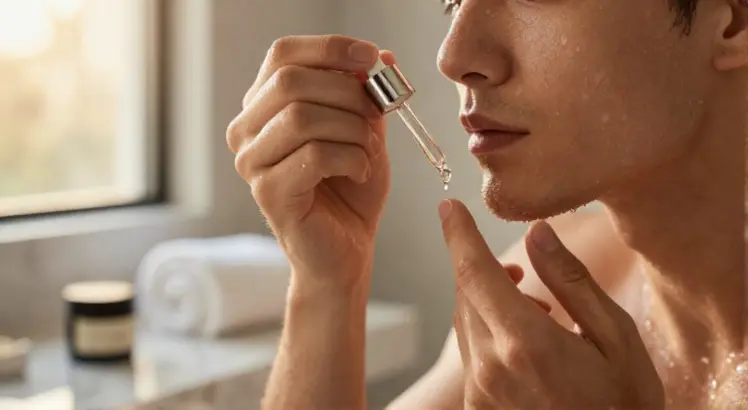

Can you use retinol and vitamin C together? This question puzzles many skincare enthusiasts. Both ingredients promise brighter, smoother, younger-looking skin, but their potency makes people cautious. The short answer is yes, you can combine them safely. However, the magic lies in how you do it. In this guide, you will learn the science behind these two heavyweights, proven layering techniques, and the exact routine that minimizes irritation while maximizing results. Whether you are a beginner or a seasoned user, you will walk away with a clear, dermatologist-backed plan.
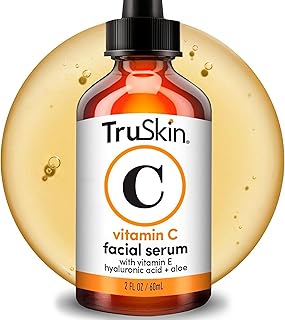
TruSkin Vitamin C Serum for Face
Check PriceWhy Retinol and Vitamin C Are Skincare Icons
To understand the synergy, you first need to appreciate what each ingredient does on its own. Retinol, a derivative of vitamin A, is the gold standard for cell turnover. It accelerates the shedding of dead skin cells, stimulates collagen production, fades dark spots, and unclogs pores.
Dermatologists have recommended it for decades to fight acne, fine lines, and uneven texture. Vitamin C (ascorbic acid) is the ultimate protective antioxidant. It neutralizes free radicals from UV rays and pollution, brightens the complexion, and inhibits melanin production to fade hyperpigmentation. It also supports collagen synthesis in a different way, stabilizing the collagen molecules your skin already has.
On paper, they complement each other perfectly. Retinol rebuilds from within; vitamin C shields and brightens the surface. Yet their chemistry can clash if you mix them recklessly. Many people avoid using them together out of fear of redness, peeling, or rendering them ineffective. The truth is more nuanced, and far more encouraging when you follow the right protocols.
Can You Use Retinol and Vitamin C Together? Absolutely, with Strategy
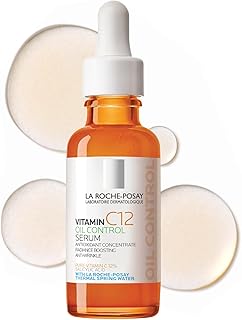
La Roche-Posay Pure 12% Vitamin C Serum
Check PriceYes, you can use retinol and vitamin C in the same skincare routine, just not necessarily at the exact same moment. The fear stems from pH incompatibility and increased skin sensitivity. Retinol works best at a higher pH (around 5.5 to 6.0), while L-ascorbic acid, the most effective form of vitamin C, requires a low pH (around 3.5) to penetrate the skin. Applying one immediately after the other can alter the pH balance, potentially making both less effective. More importantly, layering two powerful actives back-to-back can overwhelm the skin barrier, leading to irritation, stinging, and peeling.
But that does not mean you have to choose only one. By separating them by time, either into morning and evening routines or by waiting 30 minutes between applications, you can enjoy the full benefits of both without compromising your skin’s health. In fact, many dermatologists now design regimens that harness this power pair intentionally.
The Science of pH and Stability
Vitamin C, particularly L-ascorbic acid, is notoriously unstable and pH-dependent. It needs an acidic environment to stay active and penetrate the stratum corneum. Retinol, on the other hand, converts to retinoic acid in the skin, and its optimal pH is closer to the skin’s natural state.
If you apply a high-pH retinol product immediately after a low-pH vitamin C serum, the pH conflict can cause temporary degradation of vitamin C or slow retinol conversion. This is why timing is everything. By allowing your skin’s pH to rebalance naturally, about 15 to 30 minutes after applying a product, you eliminate this conflict entirely.
The Remarkable Benefits of Using Both Ingredients
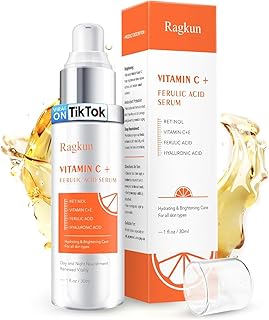
Ragkun 20% Vitamin C Serum with Retinol
Check PriceWhen you successfully combine retinol and vitamin C, you build a skincare routine that works on multiple anti-aging pathways simultaneously. The results can be transformative.
- Enhanced Collagen Production: Vitamin C is a co-factor for collagen enzymes, while retinol directly signals fibroblasts to produce new collagen. Together they create a two-pronged attack on laxity and wrinkles.
- Superior Photoprotection and Repair: Vitamin C neutralizes UV-generated free radicals during the day, preventing DNA damage. Retinol, used at night, repairs that damage by accelerating cell turnover and fading the after-effects of sun exposure.
- Brighter, More Even Tone: Vitamin C inhibits melanin production, while retinol speeds up the shedding of pigmented cells. This dual action fades dark spots and post-acne marks faster than either ingredient alone.
- Stronger Skin Barrier Over Time: Contrary to the myth that both ingredients thin the skin, retinol actually thickens the dermis. Vitamin C fortifies the barrier with antioxidant reserves. With gradual introduction, the skin becomes more resilient, not fragile.
Potential Irritation and How to Sidestep It
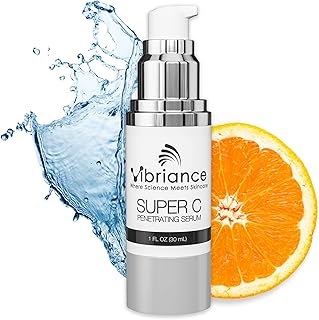
Vibriance Super C Serum for Mature Skin
Check PriceThe biggest risk when using retinol and vitamin C together is over-exfoliation and barrier damage. Signs of trouble include persistent redness, tightness, a burning sensation when applying moisturizer, and increased breakouts. These usually happen when you introduce both actives too quickly or layer them without enough recovery time.
To keep irritation at bay:
- Start with a stable vitamin C derivative (such as sodium ascorbyl phosphate or ascorbyl glucoside) if your skin is sensitive; these have a more neutral pH and play nicer with other actives.
- Begin retinol at a low concentration (0.25% or 0.3%) and use it only twice a week, gradually increasing frequency over six to eight weeks.
- Never introduce both brand-new actives in the same week. Master one for at least a month before adding the other.
- Always use a broad-spectrum sunscreen (SPF 30 or higher) during the day, non-negotiable. Both ingredients make skin more sun-sensitive.
How to Layer Retinol and Vitamin C Safely: Three Proven Methods
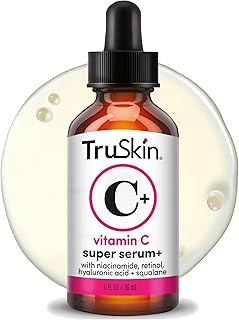
TruSkin Vitamin C Super Serum
Check PriceThe key to success is separation. Choose the method that best fits your lifestyle and skin tolerance.
Method 1: Vitamin C in the Morning, Retinol at Night
This is the most widely recommended split by dermatologists. Vitamin C provides antioxidant protection against environmental aggressors during the day, complementing your sunscreen perfectly. Retinol works its reparative magic while you sleep, undisturbed by light or pH conflicts.
Morning routine: Gentle cleanser → vitamin C serum → moisturizer → SPF.
Evening routine: Cleanser → retinol product → moisturizer.
This approach eliminates the guesswork and significantly lowers irritation risk. For a deep dive into the best timing for vitamin C, read our guide on whether you should apply vitamin C serum in the morning or at night.
Method 2: Alternate Nights
If your skin is sensitive or you prefer to keep your morning routine minimal, use retinol and vitamin C on alternate evenings. This gives your skin a full 24 hours between exposure to the same active, preventing cumulative irritation.
Example schedule:
Night 1: Cleanser → vitamin C serum → moisturizer.
Night 2: Cleanser → retinol → moisturizer.
Night 3: Rest (use only hydrating products).
Repeat.
This is an excellent on-ramp for beginners. You still reap the benefits of both ingredients without daily chemical stress.
Method 3: Same Routine with a Waiting Period
Advanced users with resilient skin may apply both actives in the same evening. The golden rule: apply the vitamin C first because it has the lower pH, then wait at least 30 minutes for the skin’s pH to rise again before applying retinol. Follow with a rich moisturizer to seal everything in.
This method demands patience and is not recommended for newcomers. A practical alternative is to use a leave-on vitamin C treatment in the evening, wait, then apply retinol. But if you feel any tingling or warmth that lasts longer than a few minutes, revert to the split schedule. Before layering serums, brush up on the proper application technique for a vitamin C facial serum to avoid wasting product.
What Type of Vitamin C Works Best alongside Retinol?
The form of vitamin C you use matters greatly. L-ascorbic acid is the most studied and potent, but its acidity can clash with retinol if not timed carefully. Products labeled vitamin C complex or using sodium ascorbyl phosphate (SAP), magnesium ascorbyl phosphate (MAP), or ascorbyl glucoside provide excellent antioxidant and brightening effects without the extreme low pH. These derivatives are more stable, less irritating, and more compatible in layered routines. If you are new to the combination, start with a derivative-based serum.
Additionally, encapsulation technology (where retinol is delivered in a protective microcapsule) can help mitigate pH conflicts and slow-release the retinol, making same-evening application gentler.
Your Step-by-Step Starter Routine
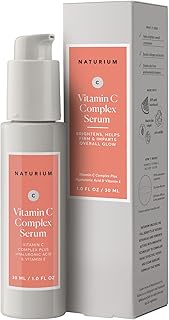
Naturium Vitamin C Complex Face Serum
Check PriceHere is a gentle, beginner-friendly plan that integrates both superstars without overwhelming your skin.
Week 1–4: Introduce a vitamin C derivative serum every morning (after cleansing, before moisturizer and SPF). Use gentle, hydrating products at night only.
Week 5–6: Add a retinol product (low strength) one night per week on a night when you skip vitamin C. Monitor for signs of dryness or redness.
Week 7–8: Increase retinol to 2–3 nights per week, always on alternating nights from vitamin C or in the morning/night split.
After Week 8: If skin tolerates it, you can adopt the full morning vitamin C, nighttime retinol schedule, or continue alternating nights. Listen to your skin, more is not better.
Common Mistakes That Sabotage Your Results
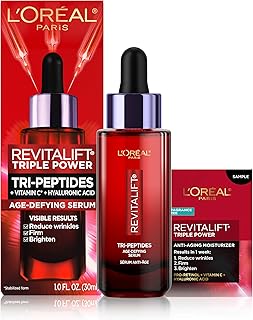
L’Oreal Paris Revitalift Triple Power Face Serum
Check Price- Mixing the two in the same palm before application: This instantly oxidizes vitamin C and can trigger hot spots of irritation. Always apply serums separately and let them absorb.
- Skipping moisturizer: Both actives can be drying. A fragrance-free, barrier-repairing moisturizer is essential to keep your skin calm and prevent peeling.
- Using too many other exfoliants: AHA/BHA toners or scrubs in the same routine will certainly cause over-exfoliation. Scale back to a simple routine when you are using this power pair.
- Neglecting the neck and chest: These areas are just as prone to photoaging but more sensitive. Apply the same morning/night split and always use sunscreen on exposed skin.
- Giving up too soon: Retinol often causes a temporary purge phase (small breakouts) in the first two to three weeks. Unless you experience extreme burning or a rash, stick with it, this phase passes.
Frequently Asked Questions
Can I use retinol and vitamin C at the exact same time?
You can, but it is not ideal. The pH differential can compromise efficacy and increase irritation. If you must, apply vitamin C first, wait 30 minutes, then apply retinol, and always buffer with moisturizer. Most people achieve better results with a morning/night split.
Does retinol make vitamin C less effective?
If applied simultaneously without wait time, the higher pH of retinol might slightly degrade low-pH vitamin C. However, separation by time or routine completely avoids this issue. When used as recommended, they do not cancel each other out but work synergistically.
What should I do if I experience stinging or redness?
Stop both actives for a few days and focus on hydration and barrier repair (products with ceramides, panthenol, and niacinamide). Reintroduce them more slowly, using the alternate-night method, and never exceed a pea-sized amount of retinol.
Can I use retinol and a vitamin C derivative that has a neutral pH?
Yes. Sodium ascorbyl phosphate and magnesium ascorbyl phosphate are much less acidic and often better tolerated alongside retinol, even when layered in the same routine. They still deliver antioxidant and brightening benefits, making them excellent choices for sensitive skin.
Is this combination safe for all skin types?
Generally yes, but oily and normal skin types tend to tolerate it with fewer issues. Dry and sensitive skin types must proceed with extra care, using a lower retinol concentration and a gentle vitamin C derivative. People with rosacea or eczema should consult a dermatologist before combining active ingredients.
Final Takeaway: The Smart Way to Combine Two Anti-Aging Heroes
So, can you use retinol and vitamin C? Without a doubt, this duo can elevate your skincare game when you respect their chemistry. Start with a simple split: vitamin C in the morning to defend, retinol at night to rebuild. Introduce them gradually, never skip moisturizer, and commit to daily sunscreen.
As your confidence grows, you can experiment with more advanced timing, but always pay attention to how your skin responds. The goal is not to use everything at once, but to create a sustainable routine that keeps your complexion clear, even-toned, and resilient for years to come. For more targeted ingredient knowledge, explore dermatologists’ guidance on combining these ingredients from the American Academy of Dermatology.
Disclaimer: This review is based on my personal experience and expert observations. Skincare results vary by individual. Always patch test new products and consult a dermatologist if you have specific skin concerns or conditions.