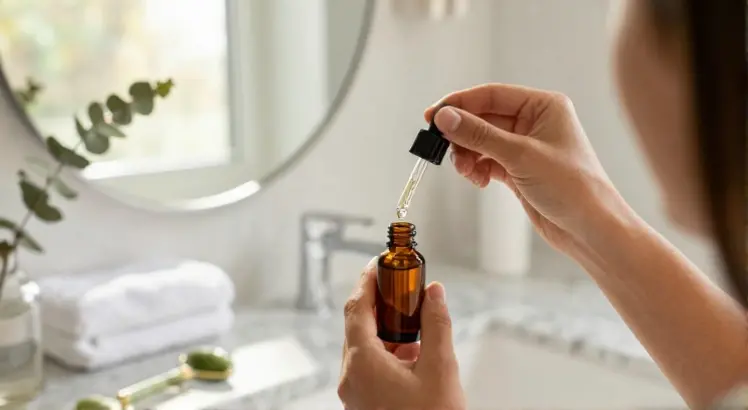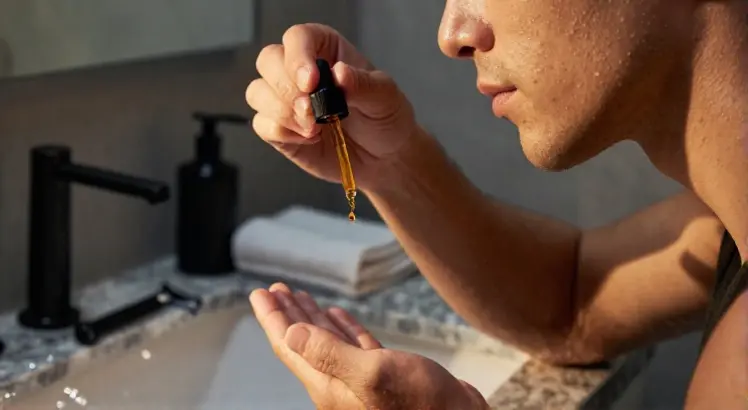

Fine lines and deeper creases are often the first signs of aging that we notice in the mirror. If you have been searching for a way to soften those lines without invasive procedures, you have probably come across the question: does vitamin C reduce wrinkles? The short answer is yes, but not overnight. Vitamin C is one of the most studied and trusted ingredients in skincare, and its ability to support collagen and defend against sun damage makes it a genuine anti-aging ally. In this guide, you will learn exactly how vitamin C works against wrinkles, which forms are effective, how to use a serum for visible results, and what the science actually says.
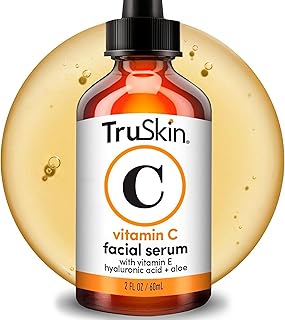
TruSkin Vitamin C Serum for Face
Check PriceHow Wrinkles Develop
Before diving into vitamin C, it helps to understand why wrinkles form in the first place. Wrinkles are creases or folds in the skin that appear when the structural framework underneath weakens. Collagen and elastin, two proteins that keep skin firm and elastic, naturally decline with age.
On top of that, external factors like ultraviolet (UV) radiation, pollution, and smoking generate free radicals, unstable molecules that damage DNA, break down collagen, and speed up the aging process. Over time, the skin loses its ability to bounce back, and even small facial expressions start etching permanent lines.
There are two main types of aging: intrinsic (chronological) aging and extrinsic (photoaging). Intrinsic aging is the slow, genetic process we cannot stop. Extrinsic aging, however, is largely preventable. UV exposure alone causes up to 80% of visible facial aging, including wrinkles, rough texture, and uneven pigmentation. This is where antioxidants like vitamin C come into play. By neutralizing free radicals before they can harm healthy cells, a good vitamin C serum effectively addresses the root cause of extrinsic wrinkles.
The Science Behind Vitamin C and Wrinkle Reduction
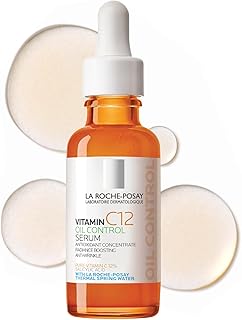
La Roche-Posay Pure 12% Vitamin C Serum
Check PriceTo understand why vitamin C reduces wrinkles, you need to look at its three main mechanisms: collagen synthesis, antioxidant defense, and pigmentation control.
Collagen production. Collagen is the scaffolding of your skin. Vitamin C is an essential cofactor for the enzymes that produce and stabilize collagen molecules. Without enough vitamin C, collagen synthesis slows down, and the skin becomes thinner and less resilient. When you apply a well-formulated vitamin C serum topically, you supply the fibroblasts in your dermis with the raw material they need to build fresh, healthy collagen fibers. This can help plump the skin from within and visibly reduce the depth of fine lines over time.
Antioxidant protection. As an electron donor, vitamin C neutralizes reactive oxygen species generated by UV light and pollution. This prevents oxidative stress from degrading existing collagen and elastin. In fact, vitamin C is so effective that it is often combined with vitamin E and ferulic acid to create a potent antioxidant network that remains active in the skin for up to 72 hours.
Brightening and evening tone. While not a wrinkle reduction mechanism directly, lighter, more even-toned skin can make lines and shadows less noticeable. Vitamin C inhibits tyrosinase, an enzyme involved in melanin production, so it helps fade sun spots and post-inflammatory discoloration. When your skin tone appears more uniform, the overall texture looks smoother, and fine lines seem less prominent.
What Clinical Studies Reveal
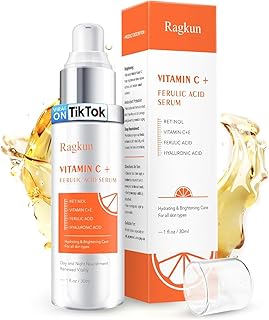
Ragkun 20% Vitamin C Serum with Retinol
Check PriceThe often-asked question does vitamin C reduce wrinkles is backed by dermatological research. A frequently cited double-blind study published in the Journal of Clinical and Aesthetic Dermatology evaluated the effect of a topical vitamin C formulation on facial wrinkles.
Participants who applied the product daily for 12 weeks showed statistically significant improvement in wrinkle severity, skin firmness, and overall photodamage. Another comprehensive review of topical vitamin C concluded that continued use can indeed bolster collagen formation and reduce fine wrinkling, especially when paired with sunscreen.
It is worth noting that results depend heavily on the concentration, form, and stability of the vitamin C used. Studies typically use L-ascorbic acid at strengths between 10% and 20%, with a pH below 3.5 to ensure penetration. Without these parameters, the product may not reach the dermis in an active state, and you will not see the same wrinkle-smoothing benefits.
Choosing the Right Form of Vitamin C
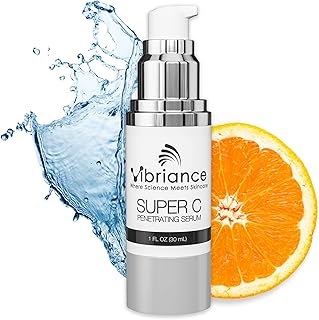
Vibriance Super C Serum for Mature Skin
Check PriceNot all vitamin C serums are created equal. The ingredient label can make or break your results. The most researched and potent form is pure L-ascorbic acid. However, it is notoriously unstable, it oxidizes quickly when exposed to light, heat, and air, turning yellow or brown and losing efficacy. Manufacturers often add stabilizing partners like vitamin E and ferulic acid to prolong its life.
If your skin is sensitive or you struggle with irritation from low-pH formulas, you can opt for esterified derivatives such as ascorbyl palmitate, magnesium ascorbyl phosphate, or tetrahexyldecyl ascorbate. These are more stable, gentler, and lipid-soluble, allowing for deeper penetration into the skin barrier.
While they may not have the same sheer volume of direct wrinkle-fighting data as L-ascorbic acid, they still promote collagen and offer antioxidant protection. For a curated list of products that deliver results, check out our guide on the top vitamin C formulations for wrinkles.
When shopping, look for opaque, airtight packaging, pumps or dark glass bottles with minimal air contact. And always check the expiration date; an oxidized serum will not harm you, but it will not reduce wrinkles either.
How to Incorporate Vitamin C for Anti-Wrinkle Benefits
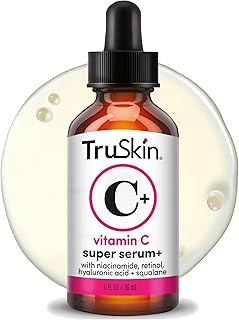
TruSkin Vitamin C Super Serum
Check PriceUsing vitamin C correctly is just as important as choosing the right formula. Follow these steps to maximize wrinkle reduction while protecting your skin from irritation.
- Cleanse thoroughly. Start with a gentle, non-stripping cleanser. Any residue of oil or dead skin cells can prevent vitamin C from penetrating effectively.
- Apply to dry skin. After cleansing, pat your face dry. Applying vitamin C to damp skin can alter its pH and potentially increase irritation, especially with L-ascorbic acid products.
- Use a few drops. Dispense 3 to 5 drops into your palm and pat it into your face, neck, and décolletage. Avoid rubbing aggressively; the skin is delicate around the eyes and jawline.
- Wait before layering. Give the serum about 30 to 60 seconds to absorb before applying moisturizer. This prevents dilution and ensures the active ingredients stay at the right pH on your skin.
- Moisturize and seal. Lock everything in with a nourishing cream that supports the skin barrier. Ingredients like ceramides, peptides, and squalane pair beautifully with vitamin C.
- Never skip sunscreen. Vitamin C strengthens your skin’s defense against UV damage, but it is not a substitute for sun protection. A broad-spectrum SPF 30 or higher every morning is non-negotiable. Without it, UV rays will continue breaking down the very collagen you are trying to rebuild.
For mature skin with deeper lines, it can be beneficial to choose a potent vitamin C serum designed for aging skin that combines antioxidants with hydrating agents like hyaluronic acid. This dual approach plumps the skin instantly while collagen builds over the long term.
Synergistic Ingredients for Better Results
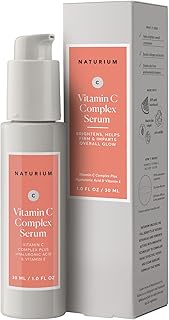
Naturium Vitamin C Complex Face Serum
Check PriceVitamin C works even better when paired with complementary ingredients. Here are a few evidence-backed combinations that amplify its wrinkle-reducing power.
Vitamin E and ferulic acid. This classic trio (often called the CE Ferulic combination) stabilizes vitamin C, doubles its photoprotective effect, and reduces the formation of sunburn cells. Many dermatologists consider this the gold-standard antioxidant cocktail for anti-aging.
Peptides. While vitamin C fuels collagen production, peptides signal the skin to repair itself and produce more collagen. Using a peptide-rich moisturizer after your vitamin C serum can create a powerful building-and-signaling cycle.
Hyaluronic acid. This humectant attracts water and temporarily plumps the skin, visibly softening fine lines. Layering a hyaluronic acid serum before or after vitamin C provides instant hydration and can make the skin surface look smoother.
Retinoids (at night). Retinol and prescription retinoids accelerate cell turnover and stimulate collagen, but they can be irritating when used together with vitamin C at the same time. The best strategy is to apply vitamin C in the morning (for antioxidant protection) and your retinoid at night. This schedules two heavy hitters without risking excessive redness or peeling.
Common Misconceptions Debunked
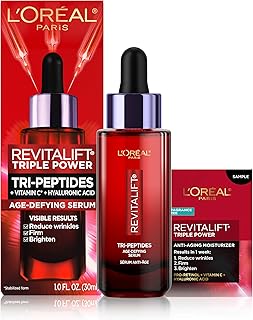
L’Oreal Paris Revitalift Triple Power Face Serum
Check PriceThe popular question does vitamin C reduce wrinkles often comes with a lot of half-truths. Let us clear up a few myths.
Myth: Vitamin C works overnight. Reality: You may see some brightening effects within a week, but meaningful wrinkle reduction takes time. Most studies show visible softening of lines after 8 to 12 weeks of consistent daily use. Collagen remodeling is a slow process.
Myth: More percentage equals faster results. Reality: Concentrations above 20% usually provide no additional benefit and significantly increase the risk of irritation. A 10% to 15% L-ascorbic acid level is effective for most skin types, with 20% being the upper limit for resilient skin.
Myth: Vitamin C completely erases deep wrinkles. Reality: Topical vitamin C cannot reverse deep, static folds caused by muscle movement or significant volume loss. It can improve skin texture, firmness, and fine lines, but severe creases may need treatments like laser resurfacing or injectables. The right expectation is softening and prevention, not an ironing board finish.
Potential Side Effects and Precautions
Vitamin C is safe for most skin types, but it is an active ingredient. L-ascorbic acid in particular has a low pH and can cause temporary stinging, redness, or dryness, especially when you first introduce it. Start with a lower concentration (5–10%) and use it every other morning. Give your skin two weeks to adjust before moving to daily application.
If you have eczema, rosacea, or a compromised barrier, choose a derivative like magnesium ascorbyl phosphate, which is gentle and less acidic. Always patch test a small amount behind your ear or on your inner arm for 24 hours before spreading it across your face. And never mix vitamin C with benzoyl peroxide, as the combination can oxidize the vitamin C and render both ingredients ineffective.
Storage matters. Keep your serum in a cool, dark place, some people even refrigerate it, to slow oxidation. If the product turns dark orange or smells strange, discard it. An oxidized serum not only fails to reduce wrinkles but can also increase free radical damage.
Frequently Asked Questions
How long does it take for vitamin C to reduce wrinkles?
Most people notice a glow and smoother texture within 2 to 4 weeks, but measurable wrinkle softening typically requires 8 to 12 weeks of daily use. Because vitamin C supports natural collagen production, the effect is gradual and cumulative. Consistency is everything.
Can vitamin C erase deep wrinkles?
No topical product can completely erase deep, etched lines. Vitamin C can soften the appearance of fine lines and improve skin firmness, making deeper wrinkles look less pronounced, but it does not replace volume loss or relax the muscles that cause expression lines.
Is vitamin C safe for sensitive or acne-prone skin?
Yes, but choose the right form. L-ascorbic acid can be too harsh for very sensitive skin, causing stinging and redness. Derivatives like sodium ascorbyl phosphate or tetrahexyldecyl ascorbate are gentler and less likely to trigger a reaction. If you are acne-prone, vitamin C’s anti-inflammatory properties may actually help reduce redness, but always patch test first.
Can I use vitamin C with retinol?
Yes, but not at the same time of day. Use vitamin C in the morning for antioxidant defense, and apply retinol as part of your nighttime routine. This separation avoids pH conflicts and reduces the risk of irritation while giving you the collagen-stimulating benefits of both ingredients.
Conclusion
So, does vitamin C reduce wrinkles? Science and clinical experience confirm that it does, when you choose a stable, well-formulated product and use it correctly. Vitamin C works by feeding your skin the building blocks of collagen, neutralizing free radicals, and evening out skin tone so that lines appear smoother.
It is not a magic erase button, but it is one of the most reliable, dermatologist-recommended ingredients for fighting visible signs of aging. To see real improvement, use a vitamin C serum every morning, protect your skin with sunscreen, and be patient. The results may take a few months, but they build beautifully over time.
Ready to pick the right serum? Explore our guide on the top vitamin C formulations for wrinkles and give your skin the daily dose of brightening, firming energy it deserves.
Disclaimer: This review is based on my personal experience and expert observations. Skincare results vary by individual. Always patch test new products and consult a dermatologist if you have specific skin concerns or conditions.