If you’ve been around the skincare block, you know a high‑quality vitamin C serum is the closest thing to a non‑negotiable for bright, even‑toned skin. And when you’re hunting for the real heavy‑hitter, the Obagi Professional‑C Serum, especially the 20% L‑ascorbic acid formula, almost always lands on the radar. I’ve been reviewing, testing, and even formulating serums for over a decade, so when I committed to an 8‑week, twice‑daily trial with this medical‑grade icon, I had very high expectations.
This Obagi Vitamin C Serum review is the unfiltered report I wish I’d had before spending my own money. I’ll break down every ingredient, map out exactly what happened week by week, compare it head‑to‑head with two fiercest rivals, and answer the one question every buyer really asks: is the premium price tag actually worth it?
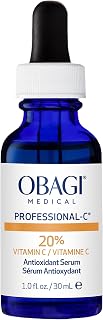
Obagi Medical Professional-C Vitamin C Serum
Check PriceWhat Is Obagi Professional‑C Serum?
Obagi Professional‑C Serum is a line of antioxidant serums built around pure L‑ascorbic acid, the gold‑standard form of vitamin C. It comes in three ascending strengths: 10%, 15%, and 20%, each suspended in an anhydrous (water‑free) base to keep the notoriously unstable ingredient from spoiling before it reaches your skin.
I tested the 20% version, the most potent of the trio, which Obagi markets for resilient skin that needs serious brightening, collagen support, and photoprotection. Unlike the vitamin C derivatives that populate drugstore shelves, Obagi sticks to straight‑up ascorbic acid, which clinical research published in Dermatologic Surgery has linked to measurable reductions in photodamage and wrinkling. The serum is housed in a dark amber glass bottle with a rubber‑tipped dropper, a classic design that screams ‘professional’ but also opens a few practical debates I’ll get into later.
Key Ingredients Deep Dive
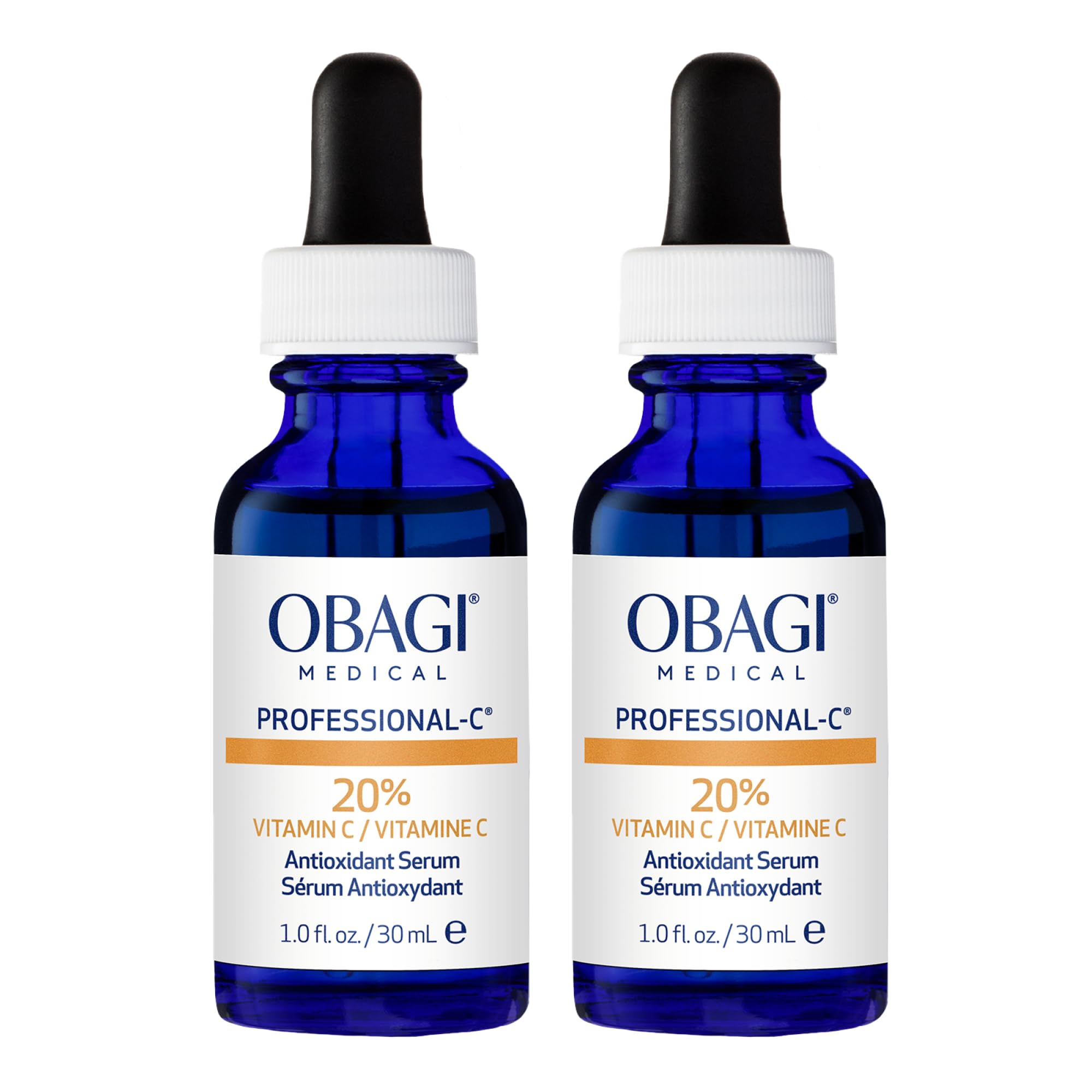
Obagi Medical Professional-C Vitamin C Serum – Safe for Sensitive Skin
Check PriceA serum is only as good as its chassis, and Obagi doesn’t try to hide behind a long list of filler extracts. The formula is lean, medical, and deliberately stripped of fragrance. Here’s exactly what you’re putting on your skin each morning.
| Ingredient | Function | Concentration (approx.) |
|---|---|---|
| L‑Ascorbic Acid (Vitamin C) | Antioxidant shield, inhibits melanin production, stimulates collagen I and III, brightens uneven tone | 20% |
| Tocopheryl Acetate (Vitamin E) | Lipid‑soluble antioxidant that doubles ascorbic acid’s photoprotection, moisturizes, stabilizes formula | ~1% |
| Sodium Hyaluronate | Humectant that pulls water into the outer epidermis, plumps fine lines, offsets the potential drying effect of high‑strength ascorbic acid | <1% |
| Propylene Glycol & Ethoxydiglycol | Anhydrous solvent system that prevents oxidation, enhances penetration of ascorbic acid into the stratum corneum | Base |
| Sodium Metabisulfite | Antioxidant preservative that mops up free radicals in the bottle and on skin | <0.5% |
The real MVP is the anhydrous delivery. Most water‑based vitamin C serums start to yellow within 6–8 weeks, but my bottle of Professional‑C 20% kept its faint champagne tint well past the 10‑week mark, confirming what the ingredient deck promises: superior stability without sacrificing potency.
Real Results: My 8‑Week Timeline
Obagi Medical Professional-C Vitamin C Serum
Check PriceI tested Professional‑C 20% on my combination skin (oily T‑zone, normal cheeks) that’s prone to post‑inflammatory hyperpigmentation and has a few sun‑spot souvenirs from my younger, SPF‑free days. I used 4–5 drops every morning over clean skin, followed by a lightweight moisturizer and SPF 50. Here’s exactly what my mirror logged.
- Weeks 1–2: A slight tingle on contact the first three days, never escalating to redness. By day 5 my skin looked marginally clearer, the sort of ‘did I get extra sleep?’ glow. No dryness or flaking.
- Weeks 3–4: The real inflection point. Post‑breakout marks on my chin that usually linger for six weeks were half‑faded. The hyperpigmentation along my cheekbones softened from dark brown to a lighter tan. My skin texture felt smoother, a little plumper, make‑up sat better.
- Weeks 5–6: Stubborn melasma above my upper lip, my personal archnemesis, started to look fuzzier around the edges. It didn’t vanish, but for the first time I could cover it with just a tinted moisturiser instead of full‑coverage concealer. Overall radiance moved from lit from within to are you wearing highlighter?
- Weeks 7–8: Maximal brightening plateaued nicely. The sun spots on my left temple were barely visible in daylight. Fine expression lines around my eyes were still there, vitamin C isn’t Botox, but they appeared softer, less etched. My skin tone was the most even it’s been in five years.
Importantly, I didn’t change any other active products during this test so I could isolate Obagi’s impact. The results weren’t overnight magic, but the steady, cumulative transformation is something I’d happily bet on.
Obagi Vitamin C Serum Pros and Cons
Obagi Medical Professional-C Vitamin C Serum – Safe for Sensitive Skin
Check PricePros
- Clinically validated pure 20% L‑ascorbic acid that visibly fades dark spots and boosts radiance
- Anhydrous, water‑free base dramatically extends shelf life and protects against oxidation
- Includes vitamin E and hyaluronic acid to buffer potential irritation and add hydration
- Medical‑grade pedigree backed by decades of dermatologist recommendations
- Measurable reduction in post‑acne marks and sun damage within 4 weeks of consistent use
- Imparts a believable, natural glow, never greasy or glittery
- Works beautifully under sunscreen and make‑up, no pilling
- Fragrance‑free and non‑comedogenic
Cons
- Premium price (around $138–$145 for 1 fl oz), not a budget buy
- Dropper packaging introduces air with each use, which can slowly degrade the formula over months
- Noticeable hot‑dog water scent, a common characteristic of pure ascorbic acid that some find off‑putting
- May cause tingling or mild stinging, especially on compromised barriers or with immediate retinol layering
- Not ideal for very sensitive or rosacea‑prone skin at the 20% strength; a lower concentration or derivative might be gentler
- Requires strict daily SPF use, skipping it will undo all brightening progress
How Does Obagi Professional‑C Compare?
Obagi Medical Professional-C Vitamin C Serum
Check PriceVitamin C connoisseurs inevitably pit Obagi against two titans: SkinCeuticals CE Ferulic (the patent‑holder benchmark) and iS Clinical Super Serum Advance (a hybrid brightening treatment). Here’s how they stack up in real‑world use.
| Feature | Obagi Professional‑C 20% | SkinCeuticals CE Ferulic | iS Clinical Super Serum Advance |
|---|---|---|---|
| Key Actives | 20% L‑ascorbic acid, vitamin E | 15% L‑ascorbic acid, 1% vitamin E, 0.5% ferulic acid | L‑ascorbic acid, copper tripeptide‑1, arbutin, mushroom extracts |
| Stability | Excellent (anhydrous base) | Excellent (ferulic acid doubles photoprotection and stability) | Good (water‑based but includes stabilizers) |
| Texture | Lightweight, slightly warm silicone‑like slip | Watery, quick‑absorbing | Light gel, water‑like, instantly fresh |
| Best For | Stubborn hyperpigmentation, resilient skin | Daily antioxidant protection, all‑round anti‑aging | Dullness, uneven texture, sensitive skin that tolerates copper |
| Price (approx.) | $138–$145 | $182 | $155 |
Obagi’s edge is the raw 20% concentration without sacrificing stability, something that even CE Ferulic doesn’t offer. However, CE Ferulic’s inclusion of ferulic acid arguably provides stronger environmental protection and earns its gold‑standard reputation.
The iS Clinical Super Serum Advance, which I’ve reviewed in depth in my iS Clinical Super Serum Advance review, takes a different approach, combining ascorbic acid with copper peptides for a brightening‑plus‑repair effect; it’s a more elegant sensory experience but sometimes a tad too gentle for entrenched pigment. If your primary goal is to bulldoze dark spots, Obagi’s high‑potency punch wins. If you want a one‑bottle anti‑aging protector with an elevated ritual feel, you’ll gravitate toward SkinCeuticals.
Who Is This Product For? (Skin Types & Concerns)
Obagi Medical Professional-C Vitamin C Serum – Safe for Sensitive Skin
Check Price- Skin types: Normal, combination, oily, and resilient dry skin. This formula thrives on skin that can handle a tingle. I wouldn’t recommend the 20% straight out of the gate to truly sensitive or rosacea‑prone types; the 10% or 15% options are smarter entry points.
- Primary concerns: Hyperpigmentation (sun spots, melasma, post‑acne marks), dullness, uneven texture, early signs of photoaging, loss of firmness.
- Also good for: Men who shave frequently and struggle with follicular irritation and shadowy pigmentation. If you’re exploring brightening options tailored for male skin, my guide on the best vitamin C serum for men’s faces can help, but make no mistake, Obagi Professional‑C is 100% unisex and works brilliantly on thicker male skin.
- Not ideal for: Anyone unwilling to commit to daily SPF 30‑50 (seriously, it’s non‑negotiable), active eczema or broken barrier, or those seeking a completely smell‑free experience.
How to Use Obagi Professional‑C Serum for Best Results
Getting the most out of a high‑strength vitamin C isn’t just about slapping it on, there’s an art to layering. I’ve covered the full methodology in my dedicated post on how to use vitamin C facial serum, but here’s the Obagi‑specific routine that gave me the results above.
- Cleanse. Start with a gentle, low‑pH cleanser. I used Obagi Nu‑Derm Gentle Cleanser on alternate days, and a simple micellar water on lazy mornings.
- Dry skin completely. Pat your face until it’s bone‑dry. Water increases the penetration, and the sting, of L‑ascorbic acid, so take the extra 30 seconds.
- Apply 4–5 drops. Dispense into your palm, not directly onto your face (to avoid contamination of the dropper). Press and smooth over your forehead, cheeks, chin, and neck. Avoid the immediate eye area.
- Wait 2–3 minutes. Let the serum fully absorb and its pH normalise before moving to the next step. I used this time to brush my teeth.
- Follow with moisturizer. A lightweight, fragrance‑free lotion locks it in. If you’re using a peptide or niacinamide cream, it’s completely fine, just wait that short window.
- Always finish with broad‑spectrum SPF 30 or higher. Vitamin C boosts your sunscreen’s protection, but it’s not a standalone shield. I swore by a mineral tinted SPF 50 and never burned once during testing.
New to high‑strength vitamin C? Start with the 10% or 15% Professional‑C and use it every other morning for two weeks before graduating. If you’re already using a retinoid at night, keep that separate; I applied retinol 3–4 nights a week, always after my moisturizer, and saw no irritation conflict.
Side Effects & Safety
Obagi Medical Professional-C Vitamin C Serum
Check PriceLet’s be real: pure 20% L‑ascorbic acid isn’t pillow‑soft. The most common reaction is a transient warming or tingle that fades within a minute. I experienced it myself during week one, especially on freshly exfoliated skin. A couple of readers with very reactive complexions have reported slight redness or flaking, so a patch test behind your ear for three days is wise. This serum is also not pregnancy‑formulated, and while topical vitamin C is generally considered safe during pregnancy, I always recommend chatting with your OB‑GYN first if you’re expecting or nursing.
One more nuance: the purging myth. Vitamin C doesn’t increase cell turnover like a retinoid, so it won’t cause a breakout of buried clogs. If you break out, it’s either irritation or an ingredient sensitivity, in that case, drop down to the 10% strength or try a gentler derivative like ascorbyl glucoside.
Price & Value Analysis
At $138–$145 for a 1 fl oz (30 mL) bottle, Obagi Professional‑C 20% sits firmly in the luxury tier. I clocked 2.5 months of daily AM use with my 4‑drop dose, which breaks down to about $1.80 per application. Compare that to a mediocre $30 serum that oxidises in two weeks, the per‑use cost might actually be higher, and the results nonexistent.
Yes, SkinCeuticals CE Ferulic costs more ($182), but it’s a different formula. What you’re paying for here is the anhydrous engineering that keeps the ascorbic acid juiced until the last drop, the medical‑grade rigor, and the visible pigment‑fading power. If stubborn dark spots are stealing your confidence, I’d argue this is an investment, not a splurge. If brightening is a nice‑to‑have rather than a must‑solve, the 10% version may be a smarter financial entry.
Final Verdict & Rating
Rating: 8.7 / 10
Obagi Professional‑C 20% earned its reputation for one reason: it works. The 8‑week trajectory was as close to a clinical promise as a cosmetic can get, sunspots noticeably retreated, stubborn melasma softened, and my skin’s overall clarity ticked up several notches. The anhydrous formula keeps it potently stable longer than most vitamin C serums I’ve tested, and the addition of vitamin E and hyaluronic acid shows Obagi thought about the entire experience, not just the headline percentage.
I’m docking points for the old‑school dropper (which inevitably lets air and microbes in), the undeniable hot‑dog scent, and the premium price. A truly airtight pump would push this serum into a 9‑plus territory. Still, if you’re willing to commit to daily SPF and you want meaningful pigment change, not just a temporary glow, Professional‑C 20% is a top‑shelf contender that deserves a spot in your morning routine.
Frequently Asked Questions
Obagi Medical Professional-C Vitamin C Serum – Safe for Sensitive Skin
Check PriceWhat percentage of vitamin C is in Obagi Professional‑C?
Obagi Professional‑C comes in three strengths: 10%, 15%, and 20% pure L‑ascorbic acid. The 20% is the highest, designed for resilient skin needing maximum brightening.
Can I use Obagi vitamin C serum with retinol?
Yes, but layer them correctly. Use vitamin C in the morning and retinol at night to avoid irritation and pH conflicts. If you must layer them together, apply vitamin C first, wait 15 minutes, then apply retinol.
How long does a bottle of Obagi Professional‑C last?
A 30 mL bottle used once daily with 4–5 drops typically lasts about 2.5 months. The anhydrous formula resists oxidation, so it stays effective until the last drop if stored away from light and heat.
Does Obagi vitamin C serum oxidize quickly?
Not nearly as fast as water‑based serums, thanks to its anhydrous base. My bottle maintained a pale straw color past week 10, which is a sign of good stability. Keep it tightly capped and out of direct sunlight.
Is Obagi Professional‑C serum suitable for sensitive skin?
The 20% strength can be too strong for reactive or rosacea‑prone skin. I recommend starting with the 10% Professional‑C or doing a patch test first. If stinging persists, try an every‑other‑day routine or a vitamin C derivative.
Can men use Obagi Professional‑C serum?
Absolutely. Obagi Professional‑C is unisex and works well on male skin, particularly for post‑shave pigmentation and sun damage. Men should follow the same application steps and always top with SPF.
Does Obagi vitamin C serum help with acne scars?
Yes, particularly post‑inflammatory hyperpigmentation (dark marks left after a pimple). The 20% L‑ascorbic acid inhibits melanin production, helping fade those marks faster. It won’t alter indented scars, but it can improve overall skin texture.
How does Obagi compare to SkinCeuticals CE Ferulic?
Obagi offers a higher 20% pure vitamin C concentration in an anhydrous base, while SkinCeuticals includes 15% L‑ascorbic acid plus ferulic acid for enhanced stability and photoprotection. Obagi tends to show faster pigment fading; SkinCeuticals is famed for daily antioxidant defense and an elegant feel.
Can I use Obagi vitamin C serum around the eyes?
I advise caution. The skin around the eyes is thin and sensitive, direct application of 20% ascorbic acid can cause stinging. Instead, gently press any residual serum from your fingertips onto the orbital bone without going too close to the lash line.
Is Obagi Professional‑C serum cruelty‑free?
Obagi Medical does not test on animals, and they affirm a commitment to cruelty‑free practices. However, they are not certified by Leaping Bunny, so if strict certification matters to you, verify current status directly with the brand.
Conclusion: Worth Every Drop for Pigment‑Focused Skin
After eight weeks of consistent, real‑world use, the Obagi Professional‑C 20% Serum has earned its spot on my top shelf. It’s not the cheapest, it’s not the prettiest smelling, and it demands daily SPF discipline, but if you’re ready to do the work, the payoff is a genuinely more even, luminous complexion that makeup can’t fake. I’ve seen it lighten sun spots that had been stubborn for years, and the base formula’s stability is a huge plus in a category where potency can vanish in weeks.
If you’re ready to commit to a medical‑grade brightening routine, the Professional‑C line is just the beginning. Obagi’s full product range, from the Nu‑Derm system (designed to transform cellular turnover) to their advanced retinol creams and Elastiderm eye treatments, works synergistically to target pigmentation, texture, and laxity at every stage.
Pairing this vitamin C serum with a gentle Obagi cleanser and a prescription‑strength tretinoin (under professional supervision) can telescope results even further. Explore the entire Obagi ecosystem if you’re truly serious about addressing hyperpigmentation at its root.
Disclaimer: Skincare results vary by individual. Always patch test new products and consult a dermatologist if you have specific skin concerns or conditions.