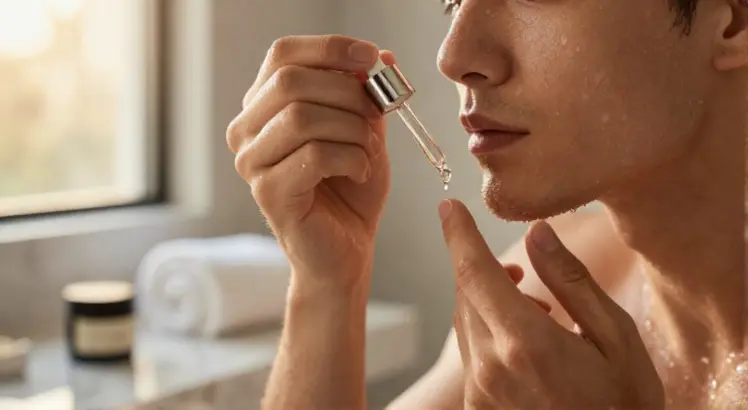

Have you ever looked in the mirror and noticed patches of darker skin, a dull complexion, or a scattering of dark spots that refuse to fade? You are not alone. Uneven skin tone is one of the most common complexion concerns people face, regardless of age or gender. But understanding what causes uneven skin tone is the first step toward reclaiming a luminous, balanced complexion. In this guide, we will break down the science behind skin discoloration, explore seven key triggers, and share practical steps to help you achieve a smoother, more radiant look.
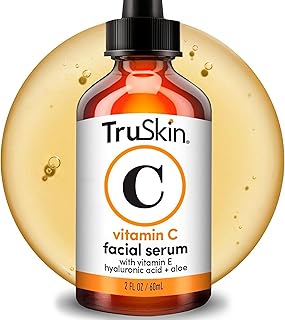
TruSkin Vitamin C Serum for Face
Check PriceUnderstanding Uneven Skin Tone
Uneven skin tone refers to any irregularity in the color or texture of your skin. It can manifest as hyperpigmentation (dark spots, age spots, melasma), hypopigmentation (loss of pigment), redness, or a generally patchy, lackluster appearance. While it is rarely a medical concern, it can affect your confidence and make your skin look older than it is.
The root cause almost always involves melanin, the pigment that gives your skin its color. When melanocytes (melanin-producing cells) become overactive or damaged, they pump out excess pigment, leading to visible discoloration. By pinpointing exactly what disrupts this balance, you can tailor your skincare routine to prevent and treat uneven tone effectively.
7 Key Causes of Uneven Skin Tone
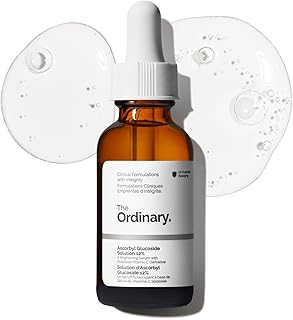
The Ordinary Ascorbyl Glucoside Solution 12%
Check Price1. Sun Exposure and UV Damage
Unprotected sun exposure is the number one culprit behind uneven skin tone. Ultraviolet (UV) rays penetrate the skin and trigger melanocytes to produce more melanin as a defense mechanism. This results in a tan, but over time, it can lead to permanent clusters of pigment called sunspots or solar lentigines.
According to the American Academy of Dermatology, the American Academy of Dermatology notes that even brief daily exposure adds up, causing cumulative damage that appears as mottled pigmentation years later. The face, chest, hands, and shoulders are the most common areas affected. If you have ever noticed your skin tone worsens in summer and improves slightly in winter, UV exposure is likely the primary driver.
2. Hormonal Fluctuations and Melasma
Hormones play a powerful role in skin pigmentation. Melasma, often called the “mask of pregnancy,” is a type of hyperpigmentation triggered by hormonal changes, particularly estrogen and progesterone. It appears as symmetrical brown or grayish patches on the forehead, cheeks, and upper lip.
While pregnancy is a well-known trigger, birth control pills, hormone replacement therapy, and even stress-related hormonal shifts can spark melasma. This condition is notoriously stubborn because the internal triggers are ongoing. Sun exposure can make it darker, which is why a combination of hormone management and sun protection is critical for control.
3. Post-Inflammatory Hyperpigmentation (PIH)
Any injury or inflammation to the skin can leave behind a dark mark once the skin heals. This is known as post-inflammatory hyperpigmentation. Acne breakouts are the most common cause, but insect bites, cuts, burns, eczema, and even aggressive cosmetic procedures can trigger PIH. When skin becomes inflamed, it signals melanocytes to go into overdrive, depositing pigment in the healing tissue.
The result is a flat, dark spot that can linger for months or even years. People with medium to darker skin tones are more prone to PIH because their melanocytes are naturally more reactive. Avoiding picking at blemishes and treating acne gently is essential to prevent this type of discoloration.
4. Aging and Slower Cell Turnover
As we age, the skin’s natural renewal process slows down. In your 20s, the epidermis renews itself roughly every 28 days; by your 50s, that cycle can take up to 40 or 50 days. This sluggish turnover means that pigmented cells sit on the surface longer, and dead skin cells accumulate, making the complexion look dull, rough, and uneven.
Additionally, years of cumulative sun exposure emerge as “age spots” or “liver spots.” While aging itself is not a direct cause of pigmentation, it amplifies the visibility of existing damage and makes it harder for the skin to shed discolored cells naturally.
5. Environmental Pollutants and Lifestyle Factors
Your skin is constantly exposed to environmental aggressors like air pollution, cigarette smoke, and blue light from screens. These generate free radicals that cause oxidative stress. Oxidative stress damages skin cells and can trigger an inflammatory response that leads to uneven pigmentation. Poor diet, lack of sleep, and chronic stress also play a role.
High sugar intake can lead to glycation, which damages collagen and proteins, making the skin look sallow and worsening discoloration. While these factors might not be as obvious as a sunburn, they create a low-grade, chronic inflammation that disrupts your skin’s natural balance.
6. Harsh Skincare Products and Over-Exfoliation
Ironically, the products you use to achieve a flawless complexion can sometimes cause more harm than good. Using overly abrasive scrubs, high-percentage acids without proper guidance, or too many active ingredients at once can strip the skin barrier.
This leads to micro-inflammation and irritation, which stimulates melanin production. Over-exfoliating can also create a cycle of dryness and sensitivity, making the skin look red and blotchy. A compromised barrier is less able to defend against external triggers, so pigmentation issues can worsen. Choosing gentle, well-formulated products and giving your skin time to recover is crucial.
7. Genetics and Skin Type
Some people are simply predisposed to uneven pigment. If your parents or siblings have experienced melasma, freckles, or prominent sunspots, you may be more likely to develop them as well. Skin type also matters. Fitzpatrick skin types III to VI (medium to deep skin tones) have more active melanocytes and are more susceptible to hyperpigmentation.
This does not mean you are destined to have uneven skin tone, but it does mean you need to be especially vigilant about sun protection and early intervention. Understanding your genetic tendencies can help you build a proactive, preventive skincare routine instead of a reactive one.
How to Prevent and Minimize Uneven Skin Tone
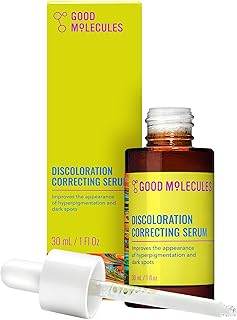
Good Molecules Discoloration Correcting Serum
Check PriceNow that you know the main causes, you can take targeted action. While you cannot completely change your genetics or reverse aging, you can influence most of the other factors. Here is a practical, science-backed approach to prevent and reduce uneven pigmentation.
Make Sunscreen a Non-Negotiable Habit
Broad-spectrum sunscreen with SPF 30 or higher is the single most effective tool against uneven skin tone. Apply it every morning, rain or shine, and reapply every two hours if you are outdoors. UV rays can penetrate clouds and windows, so indoor protection matters too. Look for mineral filters like zinc oxide or titanium dioxide if you have sensitive skin, as they are less likely to cause irritation. A sunscreen that feels light and blends without a white cast is the one you will actually use consistently.
Incorporate Brightening Ingredients
Topical ingredients can help fade existing spots and prevent new ones. Vitamin C is a powerful antioxidant that inhibits tyrosinase, an enzyme needed for melanin production. Niacinamide (vitamin B3) reduces the transfer of pigment to skin cells. Other effective ingredients include kojic acid, azelaic acid, licorice root extract, and alpha arbutin. When searching for a solution, incorporating a targeted serum for discoloration can deliver potent actives directly to the skin. Consistency is key: these ingredients work over weeks and months, not overnight.
Exfoliate Wisely and Gently
Regular, gentle exfoliation helps speed up cell turnover and shed pigmented skin cells. Chemical exfoliants like alpha hydroxy acids (AHAs) such as glycolic acid or lactic acid are often more effective and less abrasive than physical scrubs.
However, overdoing it can backfire. Start with a low concentration two to three times a week and adjust based on your skin’s tolerance. If you experience stinging or redness, dial it back. A well-balanced exfoliation routine leaves your skin smoother and more receptive to brightening products.
Support Your Skin Barrier
A healthy moisture barrier is essential for even tone. Use a gentle cleanser that does not strip natural oils, and follow with a moisturizer containing ceramides, fatty acids, and cholesterol. When the barrier is intact, your skin is less likely to react to external triggers with inflammation and hyperpigmentation. This is especially important if you are using potent actives. Pairing a brightening serum with a barrier-supporting moisturizer can make a noticeable difference in how your skin tolerates treatment.
Adopt a Healthy Lifestyle
Eat a diet rich in antioxidants from colorful fruits and vegetables. Berries, leafy greens, and nuts help neutralize free radicals. Stay hydrated, get 7-8 hours of sleep, and manage stress through exercise or mindfulness. These habits might seem basic, but they reduce systemic inflammation that can show up on your skin. Smoking and excessive alcohol consumption can accelerate skin aging and worsen discoloration, so cutting back supports both your health and your complexion.
When to See a Dermatologist
If you have tried over-the-counter products for several months without improvement, or if your uneven skin tone is accompanied by itching, bleeding, or changes in mole shape, schedule an appointment with a board-certified dermatologist.
Melasma and deep PIH sometimes require prescription treatments like hydroquinone, tretinoin, or in-office procedures such as chemical peels, laser therapy, or microneedling. A professional can rule out any underlying medical conditions and create a personalized plan that gets results faster. For more comprehensive guidance on rebalancing your complexion, learn more about evening out your skin tone with strategic routines and products.
Frequently Asked Questions
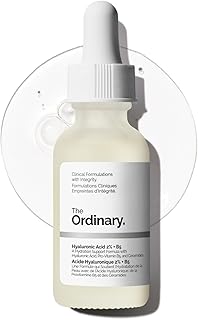
The Ordinary Hyaluronic Acid 2% + B5
Check PriceCan stress cause uneven skin tone?
Yes, chronic stress raises cortisol levels, which can trigger inflammation and hormonal imbalances. This may worsen conditions like melasma and acne, leading to post-inflammatory hyperpigmentation. Stress management techniques like meditation, exercise, and adequate sleep can help keep your skin calm.
Does diet affect skin pigmentation?
Absolutely. A diet high in sugar and processed foods promotes glycation and inflammation, which can make the skin look dull and uneven. Antioxidant-rich foods like berries, tomatoes, and green tea help protect against environmental damage and support a more even complexion.
How long does it take to even out skin tone?
It depends on the cause and severity of the discoloration. With consistent use of sunscreen, brightening ingredients, and gentle exfoliation, you may see noticeable improvement in 4 to 8 weeks. Deeply set pigmentation, such as melasma, can take several months and often requires a combination of professional treatments and home care.
Are dark spots the same as uneven skin tone?
Dark spots are a type of uneven skin tone, but the condition is broader. Uneven tone can also include redness, diffuse dullness, and patchy hypopigmentation. Dark spots (hyperpigmentation) are among the most common manifestations, but treating the underlying cause helps address the overall uneven appearance.
Conclusion
Uneven skin tone is a complex issue with multiple triggers, from sun exposure and hormones to lifestyle habits and genetics. The good news is that you have far more control than you might think. By understanding what causes your skin to lose its uniform radiance, you can take targeted steps to protect it, nourish it, and treat existing discoloration.
Start with a diligent sunscreen habit, add a proven brightening serum, and be patient with the process. Your skin will thank you with a clearer, more luminous complexion that reflects your overall health and care. Small, consistent changes today can lead to lasting results tomorrow.
Disclaimer: This review is based on my personal experience and expert observations. Skincare results vary by individual. Always patch test new products and consult a dermatologist if you have specific skin concerns or conditions.