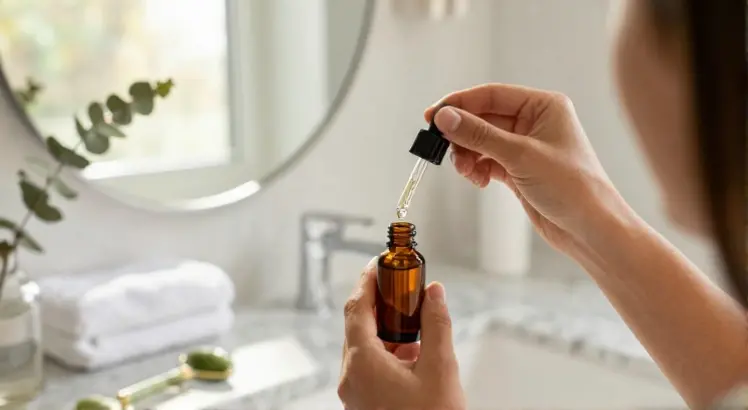

If you have ever stared into a mirror and felt frustrated by stubborn dark patches or uneven skin tone, you are not alone. Hyperpigmentation is one of the most common skin concerns, and the good news is that you can learn how to remove hyperpigmentation naturally without turning to harsh chemicals or expensive procedures.
In this guide, I will walk you through science-backed home remedies, simple skincare tweaks, and everyday habits that gently fade dark spots and help your skin glow again. Whether you are dealing with sun spots, melasma, or the marks left behind by a breakout, these natural strategies are safe, affordable, and effective.
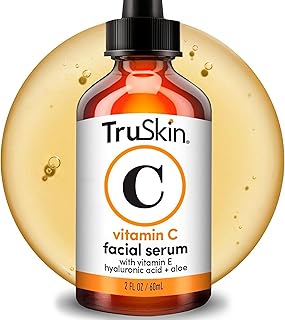
TruSkin Vitamin C Serum for Face
Check PriceWhat Is Hyperpigmentation and What Triggers It?
Before you can effectively treat hyperpigmentation, it helps to understand what you are dealing with. Hyperpigmentation occurs when certain areas of your skin produce excess melanin – the pigment that gives skin its color.
This overproduction creates flat, darkened patches or spots that can appear anywhere on the face, neck, hands, or body. The most common types include sun spots (also called age spots), post-inflammatory hyperpigmentation (the dark marks left after acne or injury), and melasma, which is often triggered by hormonal changes.
Several everyday factors can kick melanin production into overdrive. Unprotected sun exposure is the number one culprit, because UV rays stimulate pigment cells as a defense mechanism. Hormonal fluctuations from pregnancy or birth control pills can trigger melasma. Even friction, harsh skincare products, and picking at pimples can inflame the skin and leave behind dark reminders. Knowing your triggers is the first step toward treating the discoloration naturally.
Top Natural Ingredients That Help Remove Hyperpigmentation
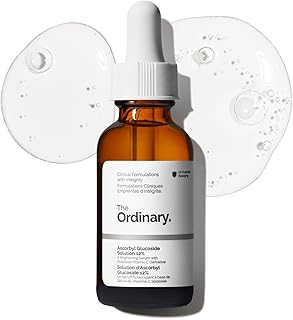
The Ordinary Ascorbyl Glucoside Solution 12%
Check PriceMother Nature offers a remarkable collection of ingredients that work to brighten the skin, slow down pigment production, and speed up cell turnover. When you choose these natural brighteners, you minimize irritation and support your skin barrier at the same time. Here are the heavy lifters you will find in many effective home remedies and clean skincare products.
Vitamin C (L-Ascorbic Acid)
Potent and packed with antioxidants, vitamin C is a gold standard for fading dark spots. It works by blocking the enzyme tyrosinase, which is responsible for melanin synthesis. Regular use of a vitamin C serum or consuming vitamin C-rich foods helps protect your skin from further sun damage while gradually softening existing discoloration. You can find plenty of guidance on how this powerhouse ingredient tackles uneven tone in our article on choosing the right vitamin C for hyperpigmentation.
Licorice Root Extract
Licorice root contains glabridin, a compound that not only inhibits tyrosinase but also possesses anti-inflammatory properties. This makes it especially gentle for sensitive skin types struggling with post-acne marks. A few drops of licorice extract or a mask infused with this ingredient can significantly lighten dark patches over weeks.
Niacinamide (Vitamin B3)
While niacinamide occurs naturally in foods, it is also a star player in topical skincare. This form of vitamin B3 blocks the transfer of pigment to skin cells, meaning it stops dark spots from becoming visible in the first place. It also strengthens the skin barrier and calms redness, making it an all-round hero. Many dermatologists recommend a concentration of 4–10 percent for stubborn marks.
Aloe Vera, Green Tea, and Turmeric
Simple kitchen ingredients can work wonders when used consistently. Fresh aloe vera gel contains aloesin, which has been shown to fade pigmentation caused by sun exposure. Green tea is rich in epigallocatechin gallate (EGCG), an antioxidant that helps calm the overproduction of melanin. Turmeric’s active component, curcumin, acts as a natural tyrosinase inhibitor and reduces inflammation, making it a popular ingredient in DIY face masks. While these remedies take patience, they are supported by natural skin lighteners and have been used for centuries in traditional medicine.
Gentle Exfoliants (Lactic and Glycolic Acid)
Naturally derived alpha hydroxy acids (AHAs) like lactic acid from milk and glycolic acid from sugar cane help sweep away dead, pigmented skin cells so fresh, evenly toned skin can surface. Using a low-percentage AHA product two to three times a week is a powerful way to speed up the fading process without damaging your skin barrier. Always listen to your skin and never exfoliate on days when your face feels irritated or sunburned.
If you want to explore more ways to get rid of spots using ingredients you probably already have at home, you can dive into a collection of proven natural treatments for dark spots that complement the ingredients listed above.
Your Natural Skincare Routine to Fade Dark Spots
La Roche-Posay Pure 12% Vitamin C Serum
Check PriceConsistency wins over intensity every time. A well-structured morning and evening routine creates a supportive environment for your skin to repair itself. Here is a simple, effective step-by-step regimen that layers natural brighteners safely.
Morning Routine
- Cleanse your face with a gentle, sulfate-free cleanser to remove overnight buildup without stripping moisture.
- Apply a lightweight vitamin C serum to damp skin. This boosts antioxidant protection and starts the brightening process early.
- Seal in the serum with a simple moisturizer that contains niacinamide or soothing aloe vera.
- Finish with a broad-spectrum mineral sunscreen of SPF 30 or higher. No hyperpigmentation routine works without daily sun protection.
Evening Routine
- Double cleanse using an oil-based cleanser followed by a gentle foaming wash to remove sunscreen and impurities.
- On exfoliation nights (two to three times a week), use a mild AHA toner or mask. This step clears away pigmented dead cells and allows fresh skin to shine.
- Apply a niacinamide-rich serum or a targeted treatment with licorice root or green tea extract.
- Finish with a nourishing moisturizer and, if your skin needs it, a thin layer of pure aloe vera gel as a sleeping mask.
Remember, the biggest mistake people make is skipping sunscreen. Even the most powerful natural ingredients cannot outrun daily UV damage. Make SPF your non-negotiable habit.
Diet and Lifestyle: Fading Pigmentation from the Inside Out
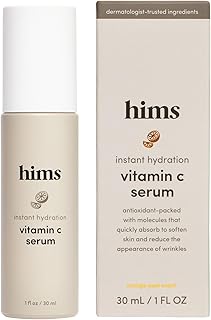
hims Vitamin C Serum – Brightening Serum for Men
Check PriceWhat you put into your body shows up on your skin. A diet packed with antioxidants, vitamins, and healthy fats helps control melanin production and supports faster skin turnover. Leafy greens, berries, citrus fruits, and bell peppers are loaded with vitamin C, which naturally reduces pigment. Vitamin E from almonds, sunflower seeds, and spinach protects cell membranes and works synergistically with vitamin C. Beta-carotene-rich foods like carrots and sweet potatoes give your skin a subtle glow while helping repair sun damage.
Hydration is equally critical. Dehydrated skin looks dull and makes hyperpigmentation appear more pronounced. Drink water throughout the day and include hydrating foods such as cucumber and watermelon. Adequate sleep and stress management also matter – high cortisol levels can worsen melasma and slow skin healing. Treat downtime as part of your skin routine.
Adding a cup of green tea or sipping turmeric milk in the evening can give you a gentle, daily dose of pigment-fighting compounds. Over time, these small habits add up to a visibly more even complexion.
Common Mistakes That Make Hyperpigmentation Worse
Even with the best intentions, certain habits can sabotage your progress. Avoid these common traps to get faster results naturally.
- Skipping sunscreen or using chemical sunscreens that irritate skin: UV exposure instantly signals melanocytes to produce more pigment. Choose a mineral sunscreen with zinc oxide or titanium dioxide if your skin is sensitive.
- Picking at spots or peeling skin: This creates trauma that triggers post-inflammatory hyperpigmentation. Let skin heal naturally and only exfoliate with gentle acids, not apricot scrubs.
- Trying too many actives at once: Overloading your skin with strong exfoliants, harsh brighteners, and retinol alternatives can inflame the skin and worsen discoloration. Introduce one new product at a time and patch test.
- Expecting overnight results: Natural remedies work gradually because they support the skin’s natural cell turnover cycle, which takes about 28 days. Stick with your routine for at least 8 to 12 weeks before evaluating its effectiveness.
- Neglecting moisture: A compromised skin barrier leads to inflammation that can darken existing spots. Always keep your skin hydrated, especially when using brightening ingredients.
For more easy-to-follow fixes you can try right now, take a look at these simple home remedies that target hyperpigmentation and work hand in hand with a patient skincare routine.
Frequently Asked Questions About Removing Hyperpigmentation Naturally
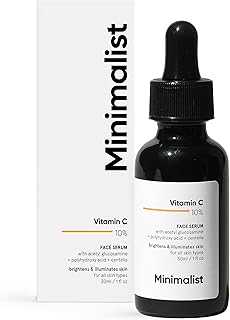
Minimalist 10% Advanced Vitamin C Serum
Check PriceHow long does it take to see results from natural treatments?
Most people begin to notice a subtle brightening and softening of dark spots after about four to six weeks of consistent care. Significant fading usually takes three to six months. Because natural ingredients work at the cellular level to slow melanin production, patience and sun protection heavily influence your timeline.
Can hyperpigmentation be removed permanently?
It is possible to clear hyperpigmentation completely, but new spots can appear if the root cause – usually sun exposure – is not addressed. Melasma, in particular, tends to be chronic and may require ongoing maintenance. Using a daily sunscreen and incorporating brightening ingredients into your long-term routine will help keep your skin clear.
Are natural remedies as effective as chemical peels or lasers?
Natural treatments are less aggressive and work more slowly, but they carry fewer risks of side effects like burning, scarring, or post-treatment darkening. For mild to moderate pigmentation, a dedicated natural routine often delivers sufficient results. Severe or deeply set patches may require professional intervention, but even then, natural maintenance afterward helps prevent recurrence.
Do I need to change my diet if I only have a few dark spots?
You do not need a radical overhaul, but adding more antioxidant-rich fruits and vegetables can speed up fading and boost your skin’s overall radiance. Think of food as an internal sunscreen and repair kit – small improvements make a difference.
Conclusion: Your Path to Naturally Clearer Skin Starts Today
Learning how to remove hyperpigmentation naturally is not about searching for a miracle cure; it is about building a gentle, consistent routine that works with your skin’s biology. Plant-based brighteners, sensible exfoliation, sun protection, and a nourishing diet create the perfect foundation for fading dark spots and revealing an even-toned complexion.
Start with one or two changes, listen to your skin, and give the process the time it deserves. With patience, those stubborn spots will gradually become a distant memory, and the confidence that comes with clear, glowing skin will be yours for the long haul.
Disclaimer: This review is based on my personal experience and expert observations. Skincare results vary by individual. Always patch test new products and consult a dermatologist if you have specific skin concerns or conditions.